China Top Engineered Valves Manufacturers and Suppliers?
China has become a major sourcing base for engineered valves used in oil and gas, chemical processing, power generation, water treatment, and mining. Its manufacturers range from large export-oriented plants to specialized workshops producing severe-service control valves. A careful supplier review should examine design capability, material traceability, testing records, and after-sales support—not only quoted price.
Market data supports this expanding role. Grand View Research estimates that the global industrial valves market was worth approximately USD 78 billion in 2023, with continued growth expected through 2030. MarketsandMarkets reports a similar upward trend, although its figures differ because market definitions and product categories vary. That difference matters. A supplier serving refinery projects may not match the needs of a high-pressure hydrogen system.
Reliable Chinese manufacturers commonly work with standards such as API 6D, API 600, ASME B16.34, ISO 5211, and ISO 15848. Strong suppliers can provide pressure-test reports, PMI records, coating details, welding qualifications, and inspection plans. In practice, these documents often reveal more than polished catalog photographs. Ask for evidence.
This guide examines leading China valve manufacturers and suppliers through product range, certifications, production experience, customization capacity, and export performance. It also considers practical issues, including communication delays, inconsistent documentation, and unclear warranty terms. These weaknesses are not universal, but they deserve attention. A factory visit, third-party inspection, or witnessed test may prevent an expensive mistake. The best supplier is not always the largest. It is the one that consistently delivers the specified valve, on schedule, with verifiable quality records.
What Are Engineered Valves and Where Are They Used?
China Top Engineered Valves Manufacturers and Suppliers?
What Are Engineered Valves and Where Are They Used?
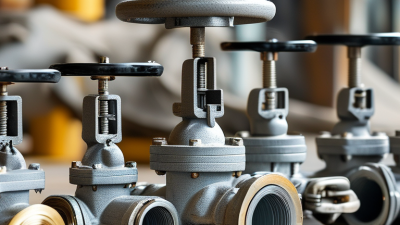
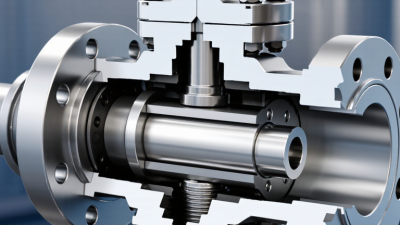
Engineered valves are application-specific flow-control devices. Standard valves follow common designs. Engineered valves respond to unusual pressure, temperature, media, or space limits. Their specifications may include body materials, sealing systems, actuation, testing, and corrosion protection. They are used in chemical plants, power stations, water treatment facilities, refineries, LNG systems, and mining pipelines.
According to Grand View Research’s Industrial Valves Market Report, the global market reached about USD 78 billion in 2023. The report expects steady growth through 2030, supported by water infrastructure and energy investment. MarketsandMarkets also identifies process industries and industrial automation as major demand areas. In practical projects, engineers must check pressure class, temperature range, flow rate, cavitation risk, and maintenance access. A valve can pass factory tests and still perform poorly after installation. That reality deserves more attention.
Tips: Match the valve design to the process fluid, not only the pipe size. Request material certificates, pressure-test records, leakage results, and applicable ASME or API references. Ask suppliers about spare parts and local technical support. A lower purchase price may create higher maintenance costs. The cheapest choice is not always efficient.
Engineered Valves: Common ASME Pressure Classes
Engineered valves are selected for demanding services such as oil and gas, power generation, chemical processing, water infrastructure, and high-pressure industrial systems. The chart shows commonly specified ASME pressure class designations from Class 150 to Class 2500. These class numbers are standardized categories, not direct operating-pressure limits; the allowable pressure also depends on valve material, temperature, design, and applicable standards.
Reference: ASME B16.34, Valves—Flanged, Threaded, and Welding End.
Which Industries Depend on Chinese Engineered Valve Suppliers?
Which Industries Depend on Chinese Engineered Valve Suppliers?
Oil and gas operators often source engineered valves from China for pipelines, refineries, and storage terminals. These systems require reliable shutoff under high pressure and changing temperatures. Suppliers commonly produce forged steel, alloy, ball, gate, globe, and check valves. Project engineers usually request material certificates, pressure-test records, and traceable serial numbers. A missing document can delay installation.
Chemical plants also depend on customized Chinese valve suppliers. Corrosive acids, solvents, and heated fluids demand carefully selected metals and seals. Engineers may specify duplex steel, nickel alloys, fluoropolymer seats, or special coatings. Power stations use similar expertise for steam, feedwater, cooling, and boiler systems. Small design errors can create serious maintenance problems. That risk deserves attention.
Water treatment, mining, food processing, and pharmaceutical facilities have different priorities. Water plants need large-diameter valves with dependable cycle performance. Mining sites require abrasion-resistant designs for slurry lines. Food and pharmaceutical systems often need smooth surfaces and cleanable internal passages. Chinese suppliers can support these requirements through technical drawings, sample inspections, factory testing, and third-party verification. However, low pricing should never replace engineering review. No supplier is flawless. Buyers should compare test methods, production experience, response times, and after-sales support before approving a valve package. A practical factory audit often reveals more than a polished catalog.
What Quality Standards Guide Engineered Valve Production in China?
China’s engineered valve production is guided by a mix of national, international, and project-specific standards. Common references include GB/T requirements, ISO 5208, API 598, and API 6D. The correct choice depends on valve type, pressure class, medium, and installation conditions. A serious manufacturer confirms these details before machining begins.
Pressure testing is central to quality control. Inspectors may perform shell tests, seat leakage tests, and functional checks. Test pressure, holding time, and leakage limits should be recorded clearly. Material certificates must match the valve body, trim, bolts, and pressure-retaining parts. Traceability matters. Heat numbers should follow components from receipt to final inspection.
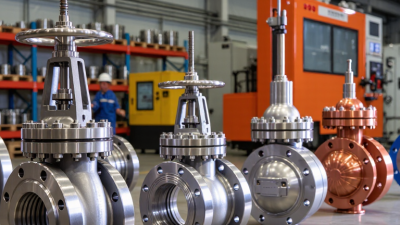
A practical factory audit should examine more than paperwork. Look for calibrated gauges, controlled welding procedures, clean assembly areas, and documented non-destructive testing. For corrosive or sour service, material selection may follow specialized requirements such as NACE MR0175. Export projects can also require ASME, EN, or customer specifications.
Certificates can look impressive. They are not automatic proof of reliable production. In practice, record gaps still appear, especially when subcontracted machining is involved. Buyers should verify inspection reports, sample serial numbers, and actual test conditions. Even a well-designed valve can fail when coating thickness, actuator settings, or storage protection receive too little attention. Good production is measurable, but not flawless.
How to Evaluate and Select a Chinese Engineered Valve Supplier?
Selecting a Chinese engineered valve supplier requires more than comparing unit prices. Start with service conditions: media, pressure class, temperature, pipe size, cycling frequency, and installation location. Ask for material certificates, pressure-test records, welding procedures, and dimensional drawings. A capable supplier should explain whether a forged body, lined design, or special alloy fits your process. Clear answers matter. So does restraint. If every option is called “best,” technical judgment may be weak.
Review actual manufacturing evidence. Request factory audit access, calibrated inspection equipment, traceability from heat number to finished valve, and sample nonconformance reports. Confirm quality systems, but do not treat a certificate as proof of performance. Discuss design review, prototype testing, coating control, packing, spare parts, and field service. For critical systems, require an inspection and test plan with witness points. Check delivery records for similar sizes and duties. One polished photograph proves little.
Tips:
Put requirements in a signed specification. Use a technical comparison sheet, not email promises. Ask who approves substitutions. Verify test pressure, leakage criteria, actuator sizing, and documentation before payment milestones. Keep a video call with engineering staff, not only sales personnel. Visit when practical. A remote review can miss poor storage, mixed materials, or rushed assembly. I have seen schedules look excellent until drawings arrived late, so allow time for revisions. Do not ignore communication quality. A supplier that admits a limitation may be safer than one offering instant certainty.
 (780) 669-9420