How to Choose the Right Valves and Their Applications for Your Needs?

Choosing the right valves and their applications is crucial for any project. Valves control the flow of fluids, impacting efficiency and safety. Understanding the types available is essential for optimal performance.

Valves and their applications vary widely across industries. From water treatment to chemical processing, each application requires specific features. Factors to consider include pressure ratings, materials, and compatibility with fluids. This can be overwhelming for those unfamiliar with technical details.

Reflecting on past experiences can reveal the importance of proper selection. Many have faced challenges due to insufficient information. Ensuring that you select the right valve is not just a matter of preference; it is vital for success in your operations.
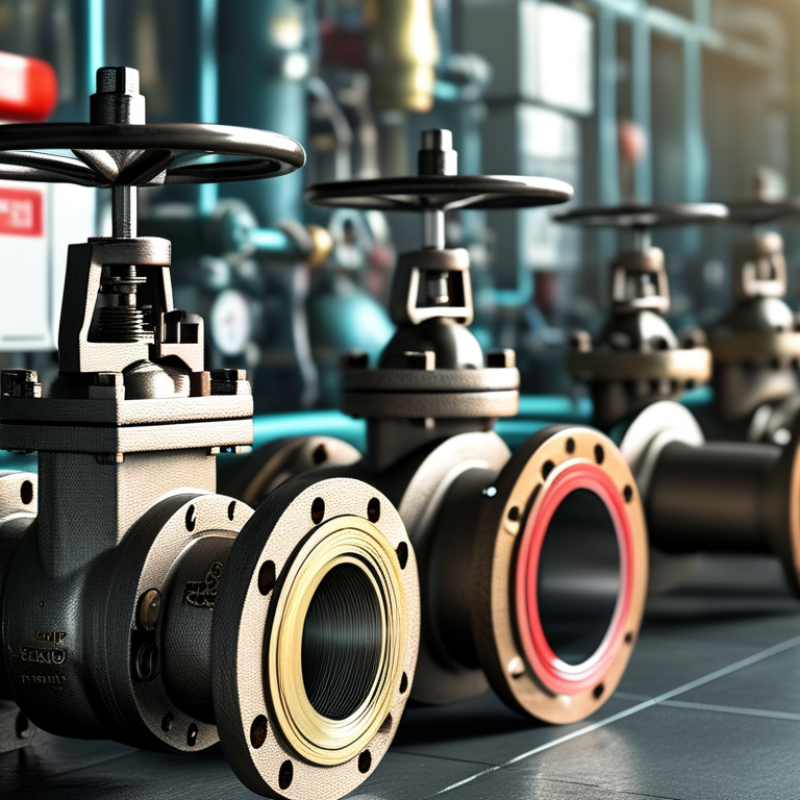
How to Choose the Right Valves and Their Applications for Your Needs?

Understanding Different Types of Valves and Their Functions

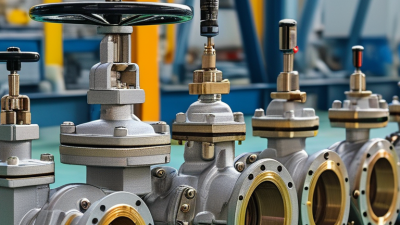
Choosing the right valve for your application involves understanding various types and their functions. Valves control fluid flow in systems like water supply, manufacturing, and HVAC. Common types include gate, globe, ball, and check valves, each serving a unique purpose. Gate valves are ideal for on/off control. Globe valves excel at regulating flow. Ball valves offer excellent shut-off capabilities, while check valves prevent backflow.

When selecting a valve, consider factors like pressure, temperature, and medium. Not all valves work well under every condition. A valve that suits one application may not perform in another. For example, using a ball valve in high-pressure steam applications might lead to failure. It's crucial to match the valve's specifications with your system requirements.

Tips for making the right choice: analyze your fluid system thoroughly. It’s important to check compatibility with existing piping. Seek advice from experts to avoid costly mistakes. Investing time in selecting the right valve can enhance system performance and reliability. A poorly chosen valve might compromise the entire operation. Remember, understanding functionality is key to making informed decisions.

How to Choose the Right Valves and Their Applications for Your Needs?

This chart illustrates the frequency of usage of different types of valves in various applications. Understanding the prevalence of each valve type can assist you in making informed decisions regarding which valves to select based on your specific needs.

Key Factors to Consider When Selecting Valves for Specific Applications

Choosing the right valves for specific applications involves several key factors. The fluid type is crucial. For corrosive substances, select materials that resist damage. Think about temperature ranges too. Ensure the valve can operate efficiently under local conditions.

Pressure ratings are also significant. Valves need to withstand the application pressure without failure. This means understanding the system's requirements is essential. Valves come in different sizes. An overly large or small valve can disrupt flow. It’s important to strike a balance.

Installation and maintenance considerations can impact your choice. Some valves require more space, while others need specific tools for maintenance. Understanding these aspects can save time and resources later.

Analyze your system requirements critically. What works for one application may not suit another. Continuous review of your valve choices can lead to better efficiency and safety in operations. Make informed decisions to avoid costly mistakes.

Evaluating Material Compatibility for Valve Selection

When selecting valves for specific applications, material compatibility plays a crucial role. Different environments expose valves to various chemicals, temperatures, and pressures. According to industry reports, nearly 30% of valve failures are attributed to incorrect material selection. Therefore, understanding material properties is essential for long-term reliability.

Corrosion resistance is a key factor. For example, stainless steel valves are preferred in corrosive environments, while plastic valves may work well in less aggressive settings. Additionally, temperature limits of materials can dictate their performance. Selecting materials that can withstand peak operating temperatures ensures valve longevity. Regular maintenance can also mitigate potential issues tied to material degradation.

Consider these suggestions when evaluating valve materials: assess the fluid's chemical composition. Pay attention to pH levels and concentrations. Testing in real-world conditions can also provide valuable insights. Lastly, remember that environmental factors can impact material performance. Realizing that compatibility is not always black and white is important. Some materials may perform well initially but can fail unexpectedly under specific conditions. Therefore, ongoing research and adaptation in material selection remain vital for optimal performance.

The Role of Pressure and Temperature in Valve Selection

Choosing the right valves for your application requires careful consideration of pressure and temperature. These factors significantly affect valve performance and durability. High-pressure systems often demand robust materials to prevent failures. Low-pressure applications may prioritize cost-effectiveness and functional design.

Temperature plays a critical role. Valves that operate in extreme heat need specially designed seals and coatings. Materials like stainless steel often perform well in high temperatures. Conversely, low temperatures can cause some materials to become brittle. Always evaluate the operating conditions before making a selection.

When selecting valves, prioritize the specific needs of your application. Consider how pressure and temperature might impact the valve's lifespan. Assess whether the valve's material can withstand the operational environment. Understanding these details can guide you toward a more effective choice.

Common Applications and Industries for Various Valve Types

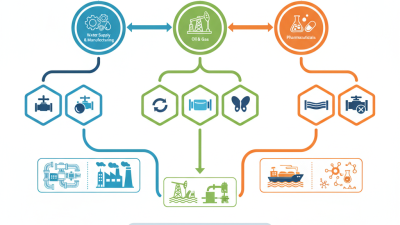
Valves are crucial components in various industries. They control fluid flow, pressure, and temperature. Different types of valves serve specific applications. For example, gate valves are ideal for on/off service. They allow full flow, making them suitable for water supply systems. Ball valves are perfect for quick shut-off. Their tight sealing is beneficial in gas pipelines.

In chemical processing, safety and compliance are vital. Butterfly valves are often used due to their lightweight design and efficiency. They handle large volumes of fluids. In oil and gas sectors, check valves prevent backflow. These valves safeguard equipment from damage and maintain system integrity.

It's essential to choose the right valve for your needs. Consider the fluid type and pressure requirements. Environmentally friendly options are now available. Assess the installation space as well. The wrong choice can lead to inefficiencies or system failures. Regular maintenance checks are necessary to ensure functionality. Remember to review your valve options periodically, as technology and standards evolve.

×
img

    Contact Info

    Phone number

    661-392-8948

    Address info

    3451 Pegasus Drive, Bakersfield, CA USA