Blog
- Home
- Blog
Top 10 Engineered Valves Suppliers for Global Buyers
Global buyers are rethinking how they source engineered valves. Reliability now matters as much as price. A failed valve can stop a refinery line, delay a water project, or expose workers to dangerous pressure. The purchasing decision is rarely simple.
Grand View Research estimates that the global industrial valves market reached approximately USD 78 billion in 2023. Its report also projects steady growth through 2030, supported by energy, chemicals, water treatment, and infrastructure investment. The International Energy Agency’s World Energy Outlook 2024 adds an important complication. Energy systems are changing quickly, creating different requirements for materials, emissions control, automation, and maintenance. These figures indicate opportunity, but they do not tell buyers which supplier will perform best.
Greg Johnson, a recognized valve-industry consultant and former United Valve president, offers a practical reminder: “Valve selection begins with the process, not the catalog.” That principle guides this ranking of the top 10 engineered valves suppliers for global buyers. We examine pressure classes, alloy options, testing depth, certifications, lead times, service networks, and customization capability. Factory acceptance testing matters. So does a technician who answers at 2 a.m.
The list is not perfect. Supplier performance can vary by region, application, and project size. Some manufacturers excel in severe-service control valves, while others specialize in isolation, cryogenic, or subsea designs. Buyers should verify current certificates, references, delivery commitments, and after-sales support before signing contracts. A polished website proves little. Field evidence proves more.
Global Engineered Valve Market Scope and Supplier Selection Criteria
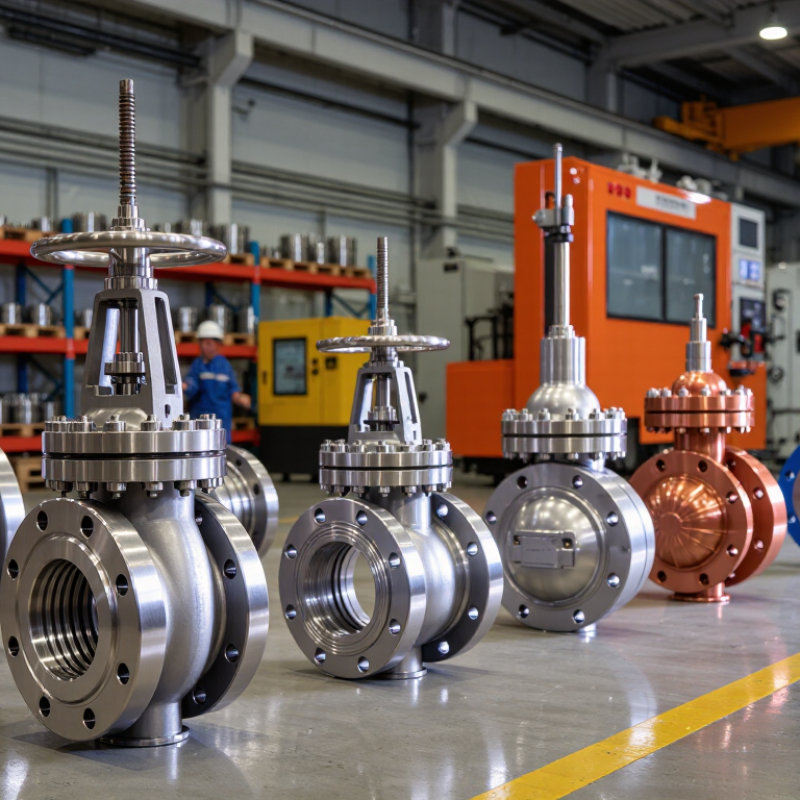
The engineered valve market serves energy, water, chemical, mining, and process industries. Grand View Research estimates the global industrial valves market at about USD 78 billion in 2023, with continued growth through 2030. Fortune Business Insights reports a similar expansion, although its market boundaries differ. These variations matter. Buyers should compare definitions before trusting market figures.
Supplier selection requires more than checking catalog breadth. Confirm pressure class, temperature range, fluid compatibility, actuation method, and required failure position. Request material certificates, dimensional records, hydrostatic test results, and serial-level traceability. ISO 9001 supports quality management, while API, ASME, and applicable EN standards may govern specific designs. A supplier’s engineering team should explain cavitation risk, fugitive emissions, corrosion allowance, and maintenance access.
Field experience often reveals weaknesses hidden in brochures. Ask for references from comparable pressure, temperature, and cycling conditions. Review lead times for castings, forgings, actuators, and replacement seats. Total cost includes commissioning, inspection, spare parts, and energy losses. That assumption can fail. The lowest purchase price may create expensive downtime. Supplier audits should examine calibration records, welding procedures, nonconformance handling, and change control. No ranking is permanent; project risk, local codes, service coverage, and evidence quality should determine the final shortlist.
Valve Types, Pressure Classes, and Standards: API 6D, ASME B16.34, and ISO 15848-1
Global valve buyers should evaluate suppliers through standards, not catalog size. API 6D covers pipeline and process isolation valves, including design, testing, documentation, and functional requirements. ASME B16.34 establishes pressure-temperature ratings, materials, wall thickness, and testing expectations. These details matter when a Class 600 valve faces high pressure and rapid temperature changes.
ISO 15848-1 addresses fugitive emissions from valve stems and body joints. It classifies leakage performance through production and type testing. This is increasingly important because the International Energy Agency reports that methane emissions from the energy sector remain above 120 million tonnes annually. The industrial valves market is also expanding. MarketsandMarkets projects strong growth through 2029, driven by energy, water, and chemical infrastructure. However, market growth does not guarantee supplier competence. A certificate alone is not proof of field performance. Procurement teams should request traceable material records, pressure-test reports, emission-test results, and calibration evidence. Small gaps often appear there.
Tips: Match the valve type to service conditions. Check pressure class, temperature, media, actuator duty, and end connections. Ask whether ISO 15848-1 testing represents production valves, not only a special prototype. A supplier may meet API 6D yet lack strong low-emission controls. That distinction deserves closer review. Standards help, but real reliability also depends on inspection discipline, documented engineering changes, and honest after-sales support.
Top 10 Engineered Valves Suppliers for Global Buyers - Valve Types, Pressure Classes, and Standards: API 6D, ASME B16.34, and ISO 15848-1
| Rank | Anonymous Supplier Profile | Primary Engineered Valve Types | Typical Pressure Classes | Common Size Range | Applicable Design Standards | Fugitive-Emission Standard | Common Materials | End Connections | Typical Industry Applications | Quality and Testing Scope |
|---|---|---|---|---|---|---|---|---|---|---|
| 1 | Supplier Profile 01 | Ball valves Gate valves Check valves | ASME Class 150–2500 | DN15–DN1200 (NPS ½–48) | API 6D; ASME B16.34; API 598 | ISO 15848-1 available for qualifying designs | Carbon steel, stainless steel, duplex stainless steel, low-temperature carbon steel | Flanged, butt-weld, socket-weld, threaded | Oil and gas pipelines, LNG, petrochemical processing | Shell and seat testing; dimensional inspection; material traceability; NDE options |
| 2 | Supplier Profile 02 | Trunnion-mounted ball valves Top-entry ball valves | ASME Class 150–2500 | DN50–DN1400 (NPS 2–56) | API 6D; ASME B16.34; ASME B16.5; ASME B16.47 | ISO 15848-1 testing for stem and body emissions | Carbon steel, 316 stainless steel, duplex, nickel alloys | Flanged and butt-weld | Transmission pipelines, offshore production, gas processing | Gas-tightness testing; fire-safe testing where specified; functional cycling |
| 3 | Supplier Profile 03 | Slab gate valves Expanding gate valves Through-conduit valves | ASME Class 150–1500 | DN50–DN1050 (NPS 2–42) | API 6D; ASME B16.34; API 6FA | ISO 15848-1 capability dependent on packing configuration | Carbon steel, low-temperature carbon steel, stainless steel, clad materials | Flanged and butt-weld | Pipeline isolation, compressor stations, natural gas infrastructure | Seat leakage tests; hydrostatic shell tests; fire-safe qualification options |
| 4 | Supplier Profile 04 | Floating ball valves Soft-seated ball valves Metal-seated ball valves | ASME Class 150–600 | DN15–DN600 (NPS ½–24) | ASME B16.34; API 608; API 6D for pipeline configurations | ISO 15848-1 available for low-emission stem packing | Carbon steel, stainless steel, brass, duplex stainless steel | Flanged, threaded, socket-weld, butt-weld | Water treatment, chemical processing, general industrial service | Pressure testing to API 598; torque verification; seat leakage classification |
| 5 | Supplier Profile 05 | Butterfly valves High-performance butterfly valves Triple-offset butterfly valves | ASME Class 150–600 | DN50–DN3000 (NPS 2–120) | ASME B16.34; API 609; EN 593 | ISO 15848-1 available for selected stem-sealing systems | Ductile iron, carbon steel, stainless steel, duplex, nickel alloys | Wafer, lug, double-flanged, butt-weld | HVAC, water, power generation, chemical and refining systems | Shell and seat tests; actuator compatibility checks; fire-safe options |
| 6 | Supplier Profile 06 | Globe valves Angle valves Control valves | ASME Class 150–2500 | DN15–DN600 (NPS ½–24) | ASME B16.34; IEC 60534 for control-valve applications | ISO 15848-1 available for qualifying packing systems | Carbon steel, stainless steel, chrome-moly steel, nickel alloys | Flanged, threaded, socket-weld, butt-weld | Steam, boiler feedwater, refining, power and process control | Flow-capacity testing; pressure testing; actuator and positioner calibration |
| 7 | Supplier Profile 07 | Check valves Axial-flow check valves Lift check valves | ASME Class 150–2500 | DN15–DN1200 (NPS ½–48) | ASME B16.34; API 6D; API 594 | ISO 15848-1 generally applies only where an external stem is used | Carbon steel, stainless steel, duplex, aluminum bronze | Wafer, flanged, threaded, butt-weld | Pipeline protection, pump discharge, water and process systems | Reverse-flow testing; cracking-pressure verification; shell and seat testing |
| 8 | Supplier Profile 08 | Cryogenic globe valves Cryogenic ball valves Extended-bonnet valves | ASME Class 150–600 | DN15–DN600 (NPS ½–24) | ASME B16.34; BS 6364; API 6D for pipeline service | ISO 15848-1 testing available for low-temperature packing designs | 316L stainless steel, austenitic stainless steel, nickel alloys | Flanged, butt-weld, socket-weld | LNG, industrial gases, air separation, cryogenic storage | Cryogenic testing; vacuum-jacket compatibility review; leak and seat testing |
| 9 | Supplier Profile 09 | Forged gate valves Forged globe valves Forged check valves | ASME Class 800–4500 | DN8–DN100 (NPS ¼–4) | ASME B16.34; API 602; API 598 | ISO 15848-1 available for bellows or low-emission packing designs | Forged carbon steel, stainless steel, chrome-moly steel, nickel alloys | Threaded, socket-weld, flanged, butt-weld | Power generation, steam systems, high-pressure process lines | Hydrostatic testing; seat leakage testing; PMI and radiography when specified |
| 10 | Supplier Profile 10 | Severe-service control valves Choke valves Cage-guided valves | ASME Class 150–2500 | DN25–DN600 (NPS 1–24) | ASME B16.34; IEC 60534; API 6A or API 6D where applicable | ISO 15848-1 available for specified stem-sealing arrangements | Carbon steel, stainless steel, hardened trim, tungsten-carbide-coated components | Flanged, threaded, socket-weld, butt-weld | Upstream production, throttling service, erosive and high-pressure applications | Cavitation and noise assessment; flow testing; pressure testing; trim inspection |
Top 10 Engineered Valve Suppliers Ranked by Capacity, Certifications, and Global Reach
Top 10 Engineered Valve Suppliers for Global Buyers
The top 10 engineered valve suppliers should be judged by capacity, certifications, and global reach. Capacity is more than factory size. It includes machining resources, pressure-testing stations, material traceability, and stable delivery during large projects. A supplier producing thousands of valves monthly may still struggle with custom designs. That distinction matters.
Certifications provide a useful checkpoint, not a guarantee. Buyers should verify current quality certificates, pressure-test records, welding qualifications, and product standards for each order. Suppliers serving oil, gas, chemical, water, and power projects often need documented compliance across several regions. Global reach also deserves close inspection. Local service teams, regional warehouses, export experience, and multilingual technical support can reduce costly delays. A polished website is not enough. Real evidence is better.
Tips: Request recent capacity data, sample inspection reports, and references from similar projects. Compare lead times for standard and engineered valves. Ask who handles warranty issues in your destination country. Also, check whether certification covers the exact valve design, not only the manufacturing site. This step is easy to miss. In practice, rankings can be imperfect because supplier performance changes with workload, raw-material availability, and project complexity. Recheck the evidence before signing a long-term agreement.
Supplier Comparison: Materials, Temperature Ratings, Flow Control, and SIL 3 Readiness
When comparing engineered valve suppliers, material selection should match the process, not just the purchase specification. Carbon steel suits many moderate services, while stainless steel resists moisture and aggressive media. Duplex and nickel alloys may perform better in chloride or high-corrosion environments. Temperature ratings need careful review. A published maximum can change with pressure, sealing material, and actuator configuration.
Flow control performance separates experienced suppliers from simple catalog sellers. Buyers should compare Cv values, rangeability, shutoff class, and trim design. Anti-cavitation trims can protect valves in high-pressure liquid service. Low-noise designs matter near operators and sensitive instruments. During factory acceptance testing, witness the actual travel response. Small calibration errors can become unstable control in the field.
SIL 3 readiness requires more than a safety claim. Request IEC 61508 documentation, failure-rate data, diagnostic coverage, proof-test guidance, and configuration control records. The complete safety loop determines the achievable SIL level, not the valve alone. Suppliers should provide traceable materials, serial-level inspection reports, and practical maintenance instructions. Ask how spare seals perform after repeated thermal cycles. This question is often overlooked. A comparison spreadsheet may look precise, yet site conditions can expose gaps in testing, installation, or operator training. Temperature margins should be realistic, not optimistic.
Procurement Factors: Lead Times, Lifecycle Costs, After-Sales Service, and ESG Data
Selecting the Top 10 engineered valve suppliers requires more than comparing unit prices. Lead time should be measured from approved drawings to verified shipment. The World Bank’s 2023 Logistics Performance Index covers 139 economies and evaluates customs, infrastructure, tracking, and timeliness. These indicators help buyers test delivery promises against local logistics realities. Ask for production capacity, inspection dates, spare-part availability, and documented escalation procedures.
Lifecycle cost often exceeds the purchase price. Energy loss, leakage, corrosion, downtime, and replacement labor can dominate total expenditure. A valve that costs less may require frequent packing changes or difficult maintenance. Request pressure-test records, material certificates, maintenance intervals, and expected service life. ISO 55000 principles support asset-life thinking, but site conditions still change the calculation. A clean spreadsheet can mislead. Field history matters more than optimistic estimates.
Tips: Compare at least three lead-time scenarios, not one. Require ESG data in a consistent format, including emissions boundaries, recycled content, and supplier-audit coverage. CDP’s 2023 Supply Chain Report highlights persistent gaps in supplier climate disclosure, so incomplete answers deserve follow-up. After-sales service should include regional technicians, multilingual manuals, training, and response-time targets. Weight each supplier by risk, not reputation alone.
Top 10 Engineered Valves Suppliers for Global Buyers
Procurement factor weighting model: lead times, lifecycle costs, after-sales service, and ESG data.
The chart presents a buyer-oriented evaluation framework rather than company-specific performance data. Lead time and lifecycle cost receive the highest weighting because they directly influence project delivery, operating efficiency, maintenance exposure, and total cost of ownership. After-sales service and ESG data support supplier resilience, compliance, and long-term procurement governance.
Related Posts
-
China Best Engineered Valves Manufacturers and Suppliers?
-
How to Choose the Right Valves and Their Applications for Your Needs?
-
What Are the Best Steel Valves from China?
-
How to Choose the Right Valve Applications for Your Industry Needs?
-
Discover the Best Engineered Valves for Global Sourcing?
-
2026 Best Cast Steel Valves for Global Buyers Insights?

(780) 669-9420