
Blog
- Home
- Blog
China Best Engineered Valves Manufacturers and Suppliers?
Choosing China’s best engineered valves manufacturers and suppliers requires more than comparing product photos or quoted prices. Industrial buyers need evidence of repeatable performance, skilled engineering, and dependable support. This guide examines how Chinese valve companies design, manufacture, test, and document engineered valves for demanding applications. It considers ball, gate, globe, check, butterfly, and customized control valves. Practical details matter, including body materials, pressure classes, sealing systems, temperature limits, and connection standards.
A reliable supplier should explain its quality process clearly. Look for material certificates, dimensional records, pressure-test reports, and traceable serial numbers. Factory audits can reveal machining conditions, calibration practices, and assembly discipline. Witness testing may also confirm shell strength and seat tightness before shipment. Experienced manufacturers usually discuss media compatibility instead of promising one universal solution. They ask about operating cycles, corrosion risks, installation space, and maintenance access.
Price still matters. It should not be the only measure.
Even reputable suppliers may have weaknesses. Some offer strong manufacturing but limited technical communication. Others provide excellent documentation but depend on inconsistent subcontractors. Buyers should verify claims through samples, references, inspection plans, and clear warranty terms. A thoughtful comparison should also review lead times, spare-parts availability, export packaging, and after-sales response. This approach supports safer purchasing decisions and reduces costly surprises during commissioning. The strongest supplier is not always the largest. It is the company that can consistently match engineering requirements with tested production, transparent records, and practical customer support.
What Are Engineered Valves and Where Are They Used?
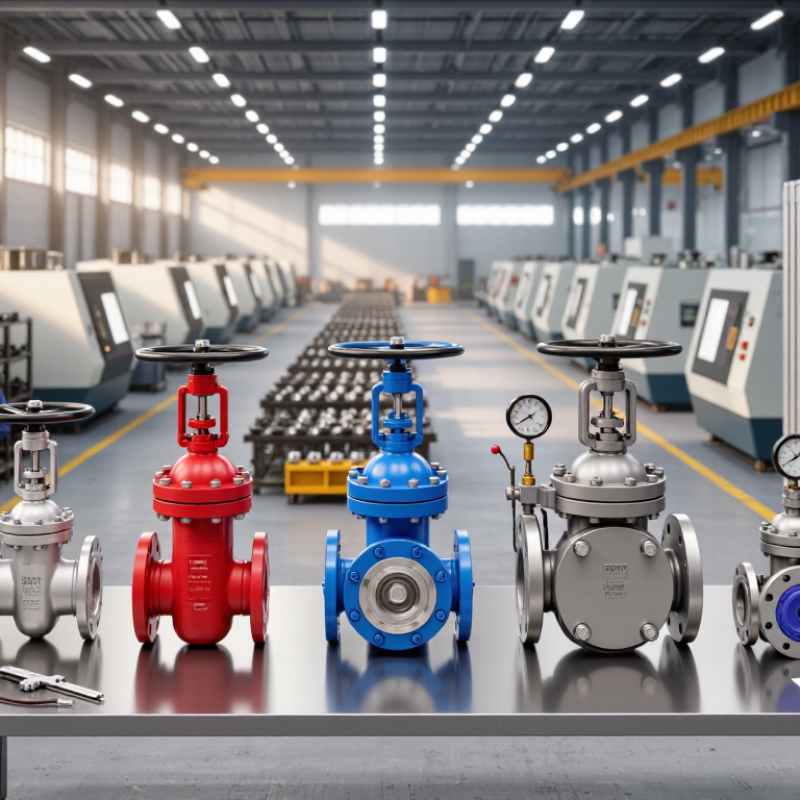
Engineered valves are designed for a specific duty, not chosen from a standard shelf. Engineers match the valve type, body material, pressure class, temperature range, and operating medium. A corrosive chemical may require a lined body and resistant trim. Cryogenic service demands special seals and low-temperature testing. Fit matters.
These valves control, isolate, or prevent reverse flow in pipelines and equipment. Common designs include ball, globe, butterfly, gate, check, and control valves. Water treatment plants use them around filters, pumps, and dosing systems. Power stations need dependable isolation near steam lines and cooling circuits. Chemical facilities often require precise flow control and leak-resistant packing. Food processing systems may prioritize cleanable surfaces and hygienic connections.
Reliable suppliers should provide material certificates, pressure-test records, dimensional drawings, and traceable inspection data. They should also explain actuator sizing, installation limits, maintenance intervals, and spare-part availability. In practical inspections, a valve can appear robust yet fail because the actuator is undersized or the seal material is incompatible. That detail is easy to miss. Engineers should review the complete operating cycle, including start-up, shutdown, vibration, and pressure surges. Local service support can matter as much as the initial quotation. A lower price may hide longer delivery times or incomplete documentation. Specification review remains imperfect, especially when site conditions change after ordering.
How to Identify China’s Leading Engineered Valve Manufacturers
Identifying China’s leading engineered valve manufacturers requires more than comparing prices or polished catalogs. I start with the technical file. It should include material certificates, pressure-temperature ratings, drawings, calculations, and inspection plans. Clear revision control matters. A missing tolerance can create a costly field problem.
A capable manufacturer explains how it selects body materials, trims, seals, actuators, and coatings for the service conditions. Ask for hydrostatic and seat-test procedures, calibration records, and sample inspection reports. Traceability should continue from raw material heat numbers to final packing. Factory visits can reveal practical details, including machining cleanliness, assembly discipline, and protected storage. Ask to inspect similar completed valves, not only display samples. Production capacity needs evidence.
References also deserve careful checking. Contact users with comparable pressures, temperatures, fluids, and operating cycles. Export experience is useful, but it does not replace engineering competence. A supplier should communicate design changes, delivery risks, and nonconformities without hiding uncomfortable details. That honesty is valuable.
No factory is perfect. A neat workshop proves little by itself. One overlooked question can weaken an otherwise strong evaluation. I would also compare response quality during technical discussions. Vague answers about fugitive emissions, fire-safe design, or actuator sizing deserve written clarification. Reliable suppliers welcome independent inspection and provide complete documents before shipment. Their strength appears in repeatable processes, not impressive promises.
China Best Engineered Valves Manufacturers and Suppliers? - How to Identify China’s Leading Engineered Valve Manufacturers
| Evaluation Dimension | Practical Benchmark or Requirement | How to Verify It | Why It Matters |
|---|---|---|---|
| Quality Management System | A valid ISO 9001 certificate issued for the manufacturing site and covering valve-related activities. | Check the certificate number, scope, issuing certification body, validity period, and manufacturing address. | Demonstrates that documented procedures exist for design, purchasing, production, inspection, and corrective action. |
| Applicable Design Standards | The valve design should match the project standard, such as ASME B16.34 for industrial valves or API 6D/ISO 14313 for pipeline valves when applicable. | Request design calculations, product datasheets, standard references, and any relevant certification or audit reports. | Correct standard selection ensures compatibility with pressure, temperature, end connection, and service requirements. |
| Pressure and Functional Testing | Testing should follow the specified standard, commonly API 598 or ISO 5208 for industrial valve pressure and leakage testing. | Review hydrostatic shell-test records, seat-test records, test pressure, duration, medium, acceptance criteria, and serial number traceability. | Confirms pressure integrity and verifies that the shut-off performance meets the purchase specification. |
| Material Traceability | Pressure-retaining parts should be traceable to material certificates, heat numbers, inspection records, and the final valve identification. | Request EN 10204 Type 3.1 material certificates where specified and compare heat numbers with markings and manufacturing records. | Reduces the risk of incorrect alloys, undocumented substitutions, or loss of traceability during operation and maintenance. |
| Corrosion and Sour-Service Capability | For sour oil and gas service, materials and hardness controls should comply with the project requirements and NACE MR0175/ISO 15156 where applicable. | Review material grades, heat-treatment records, hardness results, corrosion allowance, and written compliance statements. | Helps prevent sulfide stress cracking, corrosion-related failures, and premature loss of pressure containment. |
| Emissions and Packing Performance | For volatile or hazardous media, fugitive-emission performance should be specified and tested according to requirements such as ISO 15848-1 or the applicable project standard. | Ask for type-test reports, packing details, stem-finish requirements, test conditions, and leakage classification. | Good stem-sealing design lowers hazardous emissions and supports environmental and workplace-safety compliance. |
| Engineering and Customization Capability | The supplier should be able to provide application-specific sizing, materials, actuation, coatings, special end connections, and inspection plans. | Evaluate technical submittals, GA drawings, torque calculations, actuator sizing, bill of materials, and revision control. | Engineered valve projects often require more than a standard catalog configuration. |
| Inspection and Quality-Control Resources | The factory should have suitable dimensional, pressure, material, and non-destructive examination controls for the ordered valve type. | Request an inspection and test plan, equipment calibration records, personnel qualifications, and sample inspection reports. | Reliable inspection resources improve consistency and identify defects before shipment. |
| Production Capacity and Lead-Time Control | Capacity should be demonstrated with a realistic production schedule, critical-path controls, and confirmed availability of castings, forgings, actuators, and sealing materials. | Review a manufacturing schedule, capacity statement, procurement plan, and previous delivery documentation for comparable valve types. | A technically capable supplier must also deliver engineered equipment within the project window. |
| Documentation and After-Sales Support | The final dossier should include drawings, certificates, test records, operation and maintenance instructions, spare-parts information, and nonconformance records where relevant. | Use a documentation index and review sample dossiers before placing a purchase order. | Complete records support installation, commissioning, maintenance, audits, and future replacement. |
Note: The applicable standards, tests, materials, and acceptance criteria should always be confirmed against the project specification, operating conditions, and contractual requirements.
Which Valve Types and Customization Options Are Available?
China Best Engineered Valves Manufacturers and Suppliers?
Choosing a Chinese engineered-valve supplier starts with process conditions, not catalog size. Ball valves suit tight shutoff and frequent cycling. Gate valves reduce pressure loss in fully open pipelines. Globe valves offer accurate throttling, while butterfly valves save space and weight. Check valves prevent reverse flow. Control valves manage pressure, level, and flow continuously. Cryogenic and high-temperature designs require special seals, clearances, and testing.
The Global Industrial Valves Market report by Grand View Research estimated the market at about USD 76.6 billion in 2022. It also projected approximately 4.8% annual growth from 2023 to 2030. These figures suggest wider demand for reliable, customized equipment. Customization may include carbon steel, stainless steel, duplex steel, or alloy construction. Options include pneumatic, electric, and hydraulic actuators. End connections can be flanged, threaded, welded, or wafer style. Surface coatings may improve resistance to erosion and corrosion.
Standards matter more than attractive brochures. Ask for pressure testing under ISO 5208 or API 598, and design compliance with ASME B16.34 where applicable. Request material certificates, heat numbers, inspection records, and actuator sizing calculations.
A supplier should also explain fugitive-emission controls and applicable sour-service requirements. Small details matter.
I would not accept “custom” without drawings.
The weak point is often documentation, not machining. Independent inspection can expose it before shipment. Supplier selection should compare test evidence, engineering response time, spare-part planning, and field experience, not price alone.
What Quality Standards Govern Chinese Engineered Valve Suppliers?
Chinese engineered valve suppliers operate under layered quality standards, not one universal rule. ISO 9001 controls documented processes, purchasing, corrective actions, and traceability. The ISO Survey 2023 recorded 1,265,216 ISO 9001 certificates worldwide. Yet certification alone does not prove valve performance.
For pressure and pipeline service, buyers commonly request API 6D, ASME B16.34, ISO 5208, and relevant GB/T standards. These cover design limits, pressure testing, leakage rates, materials, and inspection records. GB/T 13927 is widely referenced for industrial valve pressure testing in China. Suppliers serving sour-gas projects may also follow NACE MR0175/ISO 15156. UN Comtrade 2023 data places China among the leading valve-exporting economies, increasing the need for consistent international documentation. In practical audits, heat numbers, material certificates, welding records, and calibrated test equipment reveal more than a certificate on the wall. Small gaps matter.
Tips: Ask for the exact standard edition. Verify scope and expiry dates. Request hydrostatic and seat-leakage test reports. Match every report with the valve’s serial number. A factory may pass routine inspections but still lack strong change-control discipline. That is an uncomfortable weakness worth examining. Test plans should also define witness points, sampling rates, coating checks, and final dossier requirements before production begins.
How to Compare Pricing, Lead Times, and After-Sales Support?
China’s engineered valve manufacturers and suppliers should be compared beyond the lowest quotation. Request a detailed price breakdown for the valve body, actuator, testing, packaging, and spare parts. A cheap offer may exclude pressure testing or special materials. That gap can become expensive during installation.
Lead time needs practical verification. Ask for a production schedule, inspection date, and shipping window. Experienced suppliers can explain which components affect delivery, such as castings, seals, or customized actuators. Request recent, relevant project records and sample inspection reports. Factory audits, video inspections, and independent testing can strengthen reliability. Still, no schedule is perfect. I have found that realistic suppliers mention possible delays instead of promising impossible dates.
Tips: Compare total delivered cost, not unit price. Ask who handles rejected parts, warranty claims, and technical questions after delivery. A dependable supplier should provide installation guidance, maintenance instructions, and a clear response time. Confirm whether replacement seals and drawings remain available years later. Use a written service agreement with measurable support terms. Be careful with vague phrases like “lifetime warranty.” They often hide important exclusions. A small pilot order may reveal packaging quality, document accuracy, and communication speed before a larger purchase.
Related Posts
-
Top Benefits of Engineered Valves for Industrial Applications
-
Top 10 Benefits of Engineered Valves in Industrial Applications?
-
Top Digital Valves Components You Need to Know?
-
How to Choose the Right Valves and Their Applications for Your Needs?
-
What Are the Best Steel Valves from China?
-

Understanding Guide Valves: Their Role in Fluid Dynamics with 2023 Industry Insights

(780) 669-9420