
Blog
- Home
- Blog
China Best Gate Valve Manufacturers for Global Buyers?
China is a major source of gate valves for water, energy, chemical, and industrial projects. Yet a long supplier list does not guarantee a reliable match. Global buyers need to compare manufacturers by product range, production controls, technical support, and delivery capability—not price alone. A gate valve used on a clean-water line may have different material and sealing requirements from one handling steam or abrasive media. Details matter.
This guide examines how buyers can assess Chinese manufacturers and shortlist suppliers with evidence. Check the specified pressure class, body and trim materials, connection type, operating method, and applicable test documentation. Ask whether the manufacturer can provide drawings, inspection records, material traceability, and clear lead-time estimates. When searching the phrase “gate valve valve,” confirm that product pages describe an actual gate valve and its intended service, rather than relying on keywords or broad claims. Requesting a sample document or technical clarification can reveal how carefully a supplier handles practical questions.
No single manufacturer is best for every project. A low quotation may exclude testing, accessories, or freight, while a polished catalogue may not explain production limits. Fit comes first. Compare like-for-like specifications, verify claims directly, and involve qualified engineers when service conditions are demanding. This approach cannot remove every risk, but it can make supplier decisions more transparent and grounded in project needs.
Gate Valve Fundamentals: Wedge, Stem, and Flow-Isolation Designs
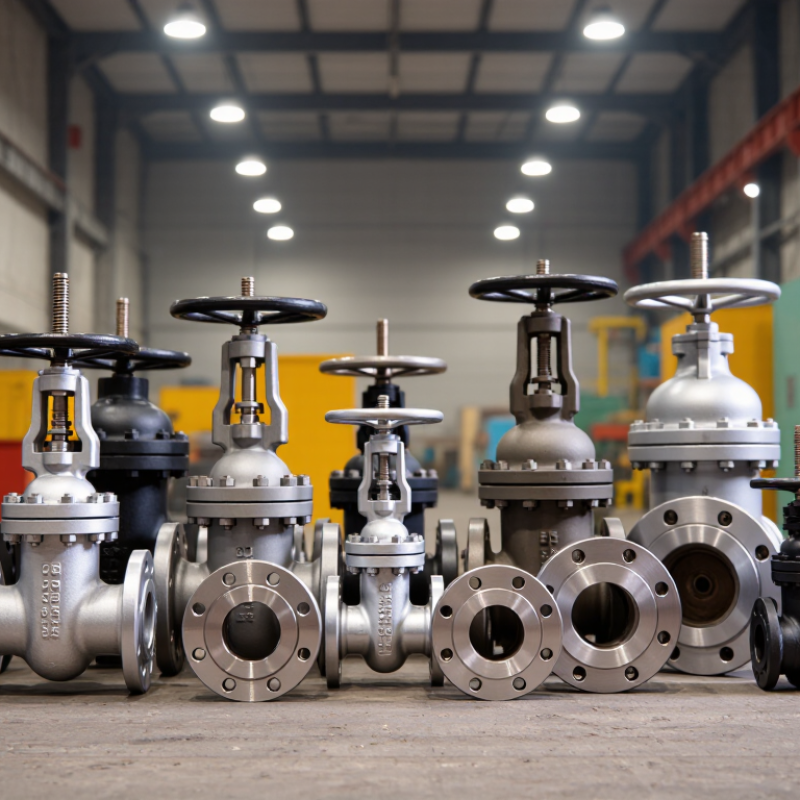
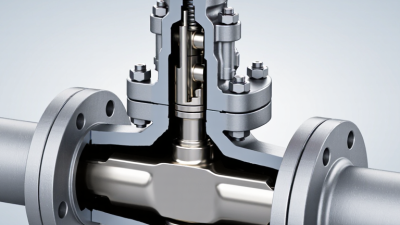
A gate valve isolates flow by moving a wedge between two seats. When fully open, the wedge lifts clear of the flow path, usually creating little resistance. It is designed for on-off service, not routine throttling. Partly open, the wedge may vibrate or wear unevenly.
Stem design affects operation and maintenance. A rising stem moves upward as the valve opens, making position visible but requiring overhead clearance. A non-rising stem stays within the handwheel’s operating height, which helps in tight spaces. The trade-off is less obvious visual confirmation. Wedge seating also matters: pressure, temperature, and fluid conditions can affect sealing performance. Real installations are rarely perfect.
Tips: Check the valve’s pressure and temperature ratings against the actual service conditions. Confirm stem clearance before installation, and do not rely on a handwheel position alone to verify isolation. For critical work, follow site procedures and verify the closed position safely.
A suitable design depends on pipe size, operating frequency, and maintenance access. A resilient-seated wedge may suit some services, while metal seating may be specified for others. Review the technical data and test requirements with a qualified supplier. Even a well-selected valve can leak if debris damages its seats, so line cleanliness deserves attention.
API 600 Scope: Steel Gate Valves from NPS 2–60 and Classes 150–2500
China Best Gate Valve Manufacturers for Global Buyers?
API 600 Scope: Steel Gate Valves from NPS 2–60 and Classes 150–2500
For buyers comparing Chinese suppliers, API 600 offers a useful frame for reviewing steel gate valves. Its stated range covers NPS 2–60 and pressure Classes 150–2500. That range is broad. A supplier may not manufacture every size, class, material, or end connection. Confirm the exact configuration before requesting a quotation.
Check more than a catalogue table. Ask for drawings, material specifications, inspection records, and pressure-test documentation tied to the offered valve. Large-bore units need careful attention to lifting points, face-to-face dimensions, and shipment planning. At high pressure classes, trim details and operating torque also deserve review. A certificate alone does not show whether the quoted design matches your line conditions. I would verify that point early; it is easy to miss.
Tips: Send the supplier your required NPS, class, material, end type, and operating conditions. Request a written scope confirmation and review the nameplate details before shipment. Small mismatches matter.
China Best Gate Valve Manufacturers for Global Buyers? — API 600 Scope: Steel Gate Valves from NPS 2–60 and Classes 150–2500
A practical, brand-neutral guide to the API 600 product scope and the technical details buyers should verify when evaluating steel gate valves.
| Evaluation Dimension | API 600 Scope or Industry Reference | What Global Buyers Should Verify |
|---|---|---|
| Product type | Steel gate valves covered by API 600, including designs with bolted bonnets and flanged or butt-welding ends. | Confirm the offered design, end connection, bonnet construction, and applicable API 600 edition against the purchase specification. |
| Nominal size range | NPS 2–60, approximately DN 50–DN 1500. | Check the exact size, face-to-face dimensions, end dimensions, and whether the required size and pressure class are available together. |
| Pressure classes | Class 150 through Class 2500, within the size and design limits applicable to the selected valve. | Specify the ASME pressure class. Class numbers are not direct pressure values in psi; allowable pressure depends on material, temperature, and the applicable rating tables. |
| Pressure-temperature rating | Ratings are material- and temperature-dependent and are determined using the applicable pressure-rating standard, such as ASME B16.34 where referenced. | Request the material grade and pressure-temperature rating for the actual operating temperature. Do not treat one class as having a single pressure limit for every material and temperature. |
| Materials | API 600 covers steel gate valves; the specified pressure-containing and trim materials must match the service and applicable material standards. | Review the bill of materials, material grades, trim designation, corrosion requirements, and material test documentation for the intended fluid and operating conditions. |
| End connections | Flanged and butt-welding ends are included in the API 600 product scope. | Confirm flange facing, drilling, dimensions, and applicable flange standard, or verify the butt-weld end preparation and wall-thickness compatibility. |
| Design and dimensions | API 600 sets requirements for covered steel gate-valve design and dimensions; related dimensional standards may apply to particular end connections. | Check the approved drawings, face-to-face dimension, end-to-end dimension where applicable, stem arrangement, and any project-specific dimensional requirements. |
| Inspection and testing | Valve inspection and pressure testing should be specified and verified against the applicable API 600 requirements and purchase documents. | Request inspection and test records, including shell and closure test results as applicable, together with traceability to the supplied valve serial or heat numbers. |
| Documentation | Documentation requirements depend on the applicable standard edition, contract, and project specification. | Agree in advance on drawings, material certificates, inspection records, test reports, operation and maintenance instructions, and required language or format. |
| Scope limitations | The stated NPS and class ranges describe the standard’s scope; they do not mean that every size, class, material, or end-connection combination is suitable or offered. | Evaluate the exact configuration against the latest applicable standard edition, service conditions, local regulations, and project requirements before placing an order. |
Buyer note: This table summarizes general API 600 scope information and is not a substitute for the standard, certified product documentation, or engineering review. Confirm the applicable edition and all project-specific requirements with the supplier.
Compare Manufacturer Expertise in API 600, API 602, and API 6D Valves
For global buyers, gate-valve expertise is not interchangeable. API 600 covers bolted-bonnet steel gate valves used in demanding process service. API 602 focuses on compact steel valves, often chosen for small-bore lines and tight installation spaces. API 6D addresses pipeline valves, where isolation, pressure testing, and operating reliability matter across long-distance systems. The right comparison starts with the duty, not the certificate.
The U.S. Energy Information Administration describes a natural-gas network spanning more than 3 million miles of pipelines. That scale highlights why API 6D capability deserves close review. Ask manufacturers for drawings, material traceability, pressure-test records, and examples matching your pressure class and end connections. For API 600 and API 602, check body and bonnet construction, trim options, and machining controls. A certificate alone proves little about consistent production. I would also check how clearly a supplier explains deviations; this detail is easy to overlook.
Tips: Match the standard to the service. Request recent test records, not just a catalog. Check whether the factory can demonstrate repeatable inspection steps. Fit matters. So does documentation. A polished audit can still miss a weak point, especially when records are incomplete.
Verify Materials, Pressure Ratings, and ISO 5208 Leakage-Test Criteria
China Best Gate Valve Manufacturers for Global Buyers?
A reliable valve review starts with the service conditions, not a polished catalog. Confirm the body, disc, stem, and seat materials against the fluid, temperature, and corrosion risks. “Stainless steel” alone is not a full specification; the grade and component location matter. Check pressure ratings at the intended operating temperature, since a rating may change as temperature rises. Ask for material certificates and traceable markings. A datasheet can look complete, yet one missing trim detail still matters.
ISO 5208 provides procedures for testing valve pressure integrity and leakage, but a test reference alone does not define acceptable performance. Confirm the specified leakage rate or acceptance criterion, test medium, pressure, and duration in the purchase documents. Match these details to the valve type and applicable product specification. Ask for the test report tied to the actual valve or production batch. A factory statement saying “tested to ISO 5208” is useful, but it may not show which criterion was applied. Details matter.
Tips: Compare the nameplate, drawings, material records, and test report before approval. Check that the pressure class matches the line conditions. If a document is unclear, request a written clarification rather than guessing. No checklist catches everything; that is worth admitting.
Assess Factory Quality, Delivery Capacity, and Export-Service Support
Choosing a gate valve manufacturer in China requires more than comparing unit prices. Buyers should inspect how factory quality is controlled, from material certificates to machining checks and pressure testing. Ask whether each valve can be traced to its heat number and test record. Small details matter: a clear nameplate, clean flange faces, and consistent coating can reveal care on the production floor.
Look beyond a promised delivery date. Request a production schedule, monthly capacity, and confirmation that key components are available. A sample order may move quickly, while a larger batch waits for inspection or packaging. Build that possibility into your plan. Not every delay is avoidable.
Export support should be practical and documented. Confirm that the supplier can provide accurate packing lists, product drawings, test reports, and protective packing for long-distance shipment. Discuss response times, spare-parts availability, and who handles technical questions after delivery. Check records, not just sales claims; a factory visit or independent inspection can help verify them. Even a strong checklist has limits. Ask specific questions. Clear answers are useful, but occasional gaps deserve follow-up before an order is placed.
Related Posts
-
What Is a Gate Valve China Top Supplier Guide?
-
Apa Itu Gate Valve 7 Tips for Global Buyers?
-
Top 10 Benefits of Using DHV Gate Valves for Efficient Pipeline Management
-
What Is a Gate Valve and How Do You Choose One?
-
What is a Gate Valve and How Does it Work?
-
How to Choose the Right 4 Gate Valve for Your Project?

(780) 669-9420