What is a Gate Valve and How Does it Work?

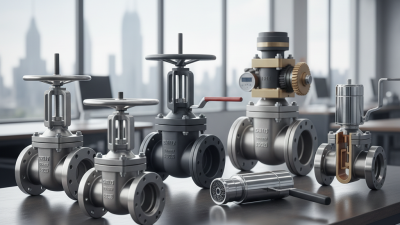
A gate valve is a crucial component in many piping systems. It controls the flow of liquids and gases effectively. This type of valve operates by lifting a barrier, or gate, out of the flow path. Understanding a gate valve's operation can help in choosing the right valve for specific applications.

Gate valves are widely used in various industries, from water supply to oil and gas. They are valued for their ability to provide a tight seal. However, they may not be ideal for throttling. A gate valve's design allows for minimal pressure loss when fully open, but users must consider potential issues like stem leakage.

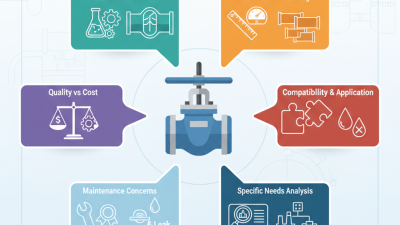
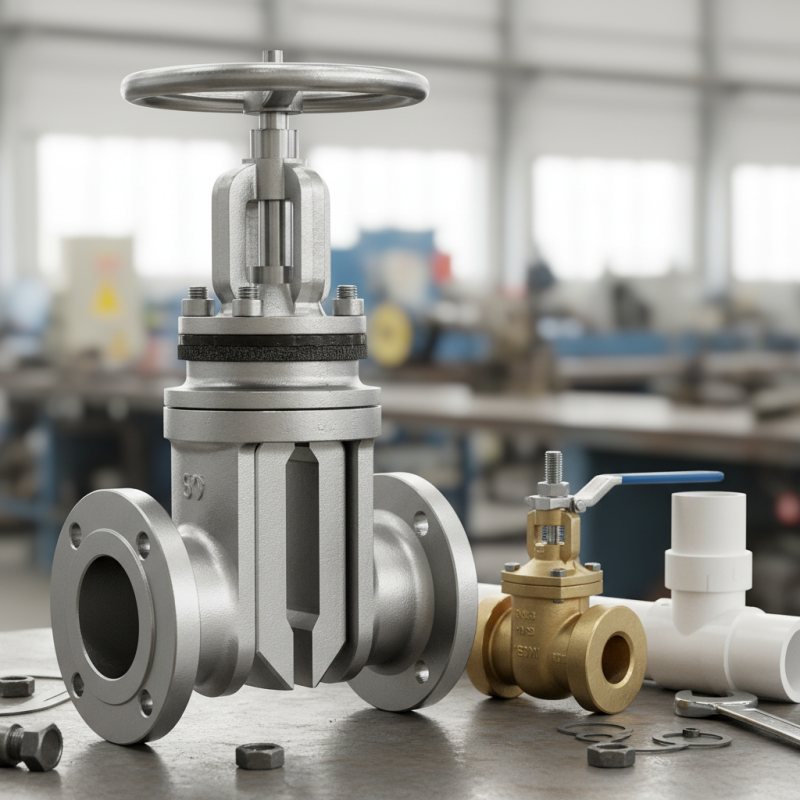
When selecting a gate valve, the material matters. Options include stainless steel, bronze, and PVC. Each material offers different benefits and drawbacks. Proper maintenance is key to ensuring reliability. Regular inspections can prevent unexpected failures. While gate valves are efficient, being aware of their limitations is essential for optimal performance.
What is a Gate Valve and How Does it Work?

Definition of a Gate Valve and Its Primary Function
What is a Gate Valve and How Does it Work?

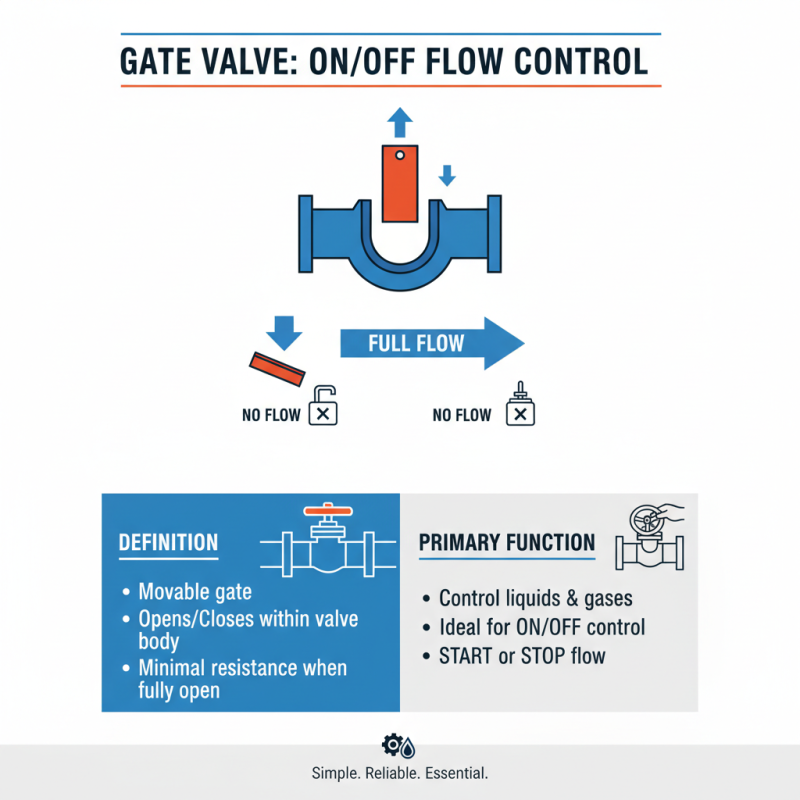
A gate valve is a crucial component in piping systems, primarily used to control the flow of liquids and gases. Its design includes a movable gate that opens and closes within the valve body. When fully open, it allows fluid to pass through with minimal resistance. This makes it ideal for on-off control rather than throttling. The simple mechanism provides a reliable way to start or stop flow.

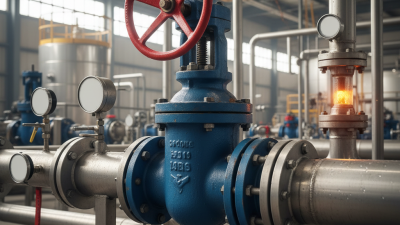
Gate valves are typically used in water supply, oil, and gas applications. Their robust construction ensures durability under high pressure. However, improper handling can lead to wear over time. It’s essential to regularly inspect these valves for signs of damage or leaks. Using a gate valve correctly can enhance system efficiency. But, like all mechanical parts, they can fail if neglected. Ideally, regular maintenance extends their lifespan, ensuring fluid systems operate smoothly.

Components of a Gate Valve: Understanding Its Structure

Gate valves are critical components in many piping systems. Understanding their structure can help you appreciate their function. A gate valve mainly consists of a body, a wedge, a stem, and two flanges. These elements work together to control fluid flow in pipelines.

The body of the gate valve holds all components. It is often made of durable materials like cast iron or stainless steel. This sturdiness ensures it can withstand high pressure and corrosive substances. The wedge or disk sits inside the valve and acts as a barrier against fluid flow. It can be flat or knife-shaped. As the stem rises or lowers, it moves the wedge to open or close the valve.

Flanges are the connecting points of the gate valve. They secure the valve to the pipeline. Proper installation is crucial. If flanges are misaligned, it could lead to leaks or failure. Maintaining tight connections and checking for wear can enhance the valve's lifespan. Observing these components closely reveals much about the valve's reliability and functionality.

How a Gate Valve Operates: Mechanism and Principles

A gate valve is a crucial component in piping systems. It controls the flow of fluids by using a gate mechanism. This valve operates by lifting or lowering the gate within the valve body. When fully opened, the gate is out of the flow path, allowing fluid to pass freely. In contrast, when closed, the gate blocks the flow entirely.


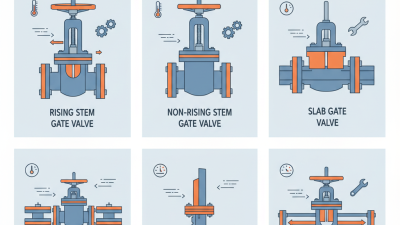
The mechanism of a gate valve relies on two types: rising stem and non-rising stem. A rising stem gate valve features a stem that moves upwards as the gate opens. This design is easy to monitor, indicating whether the valve is open or shut. The non-rising stem variant is more suited for tighter spaces, where vertical movement is limited. Despite its effectiveness, this type can be confusing because the stem does not rise.


While gate valves are reliable, they can face issues over time. For instance, the sealing surfaces can wear out, leading to leaks. Proper maintenance is essential to ensure their functionality. Additionally, these valves are less effective for throttling flow. They operate best in fully open or fully closed positions. Understanding these nuances can help in selecting the right valve for specific applications.

Common Applications of Gate Valves in Various Industries

Gate valves play a crucial role in various industrial applications. They are widely used in water supply, oil and gas, and power generation sectors. According to industry reports, around 30% of companies in the water treatment sector rely on gate valves for controlling flow. This indicates their importance in efficiently managing resources.

In the oil and gas industry, gate valves are essential for on-off control. They can handle high pressure and temperature, making them suitable for harsh environments. A study found that the use of gate valves in refineries improved safety and efficiency by 25%. However, maintenance remains a concern. Valve reliability can suffer if not regularly inspected or tested.

Gate valves are also significant in power plants. They are often used in cooling systems and steam lines. A report indicated that proper maintenance can enhance valve lifespan by 15%. Yet, many plants fail to prioritize regular checks. This oversight can lead to costly downtimes and inefficiencies. It's important for industries to recognize both the benefits and the maintenance challenges of gate valves to optimize performance.

Maintenance Tips for Ensuring Optimal Performance of Gate Valves

Gate valves are essential components in many piping systems. To maintain their performance, regular upkeep is crucial. A neglected gate valve can lead to leakages and increased pressure, which may disrupt operations.

Checking for leaks monthly is a simple yet effective practice. Tightening loose bolts can prevent water from seeping out. Lubrication of the valve stem is often overlooked, yet it is vital for smooth operation. Use a suitable lubricant to avoid corrosion and ensure easy movement.

Another important tip is to exercise the valve regularly. Opening and closing it prevents it from seizing. This practice can help identify issues early. Failing to do so could result in a stuck valve. A thorough inspection every six months allows for timely repairs and replacements. Consider these steps to enhance the efficiency and lifespan of your gate valves.

×
img

    Contact Info

    Phone number

    661-392-8948

    Address info

    3451 Pegasus Drive, Bakersfield, CA USA