
Blog
- Home
- Blog
What Is a Gate Valve and How Do You Choose One?
Gate valves are used to start or stop flow in many water, oil, and industrial piping systems. A handwheel or actuator moves a gate out of the flow path or lowers it between two seats. When fully open, the passage is generally clear. That matters in long pipe runs where pressure loss needs to stay low. A gate valve is not usually the right choice for controlling flow at a partly open position; vibration and wear can damage its seating surfaces. A small detail, but an important one.
For readers searching “apa itu gate valve,” the practical answer begins with its purpose: dependable isolation, not frequent throttling. Choosing one requires more than matching the pipe diameter. Check the fluid, operating pressure and temperature, connection type, body and seat materials, and the valve’s pressure rating. For example, a valve handling clean water may not suit a line carrying abrasive slurry. Think about access, too. A rising stem needs room above the handwheel, while buried or tight installations may call for another design. It is easy to overlook maintenance until a stiff stem or leaking seat interrupts service. There is no universal best gate valve. Product data sheets and qualified engineering advice can help confirm a selection, especially when conditions are unusual. Even good specifications can miss something if the real operating conditions were never recorded.
Gate Valve Definition and Core Function
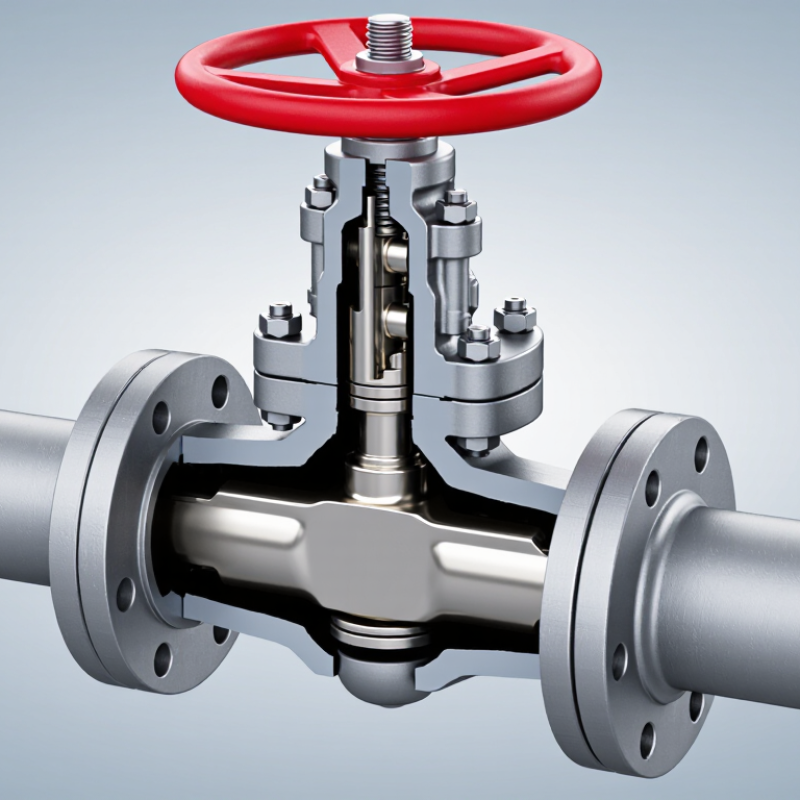
A gate valve controls flow by lifting or lowering a flat or wedge-shaped gate inside the pipe. When fully open, the gate withdraws from the flow path, leaving a relatively clear passage with little resistance. It moves vertically. Turning the handwheel drives a stem that raises or lowers the gate; some designs show the stem rising as the valve opens, while others keep it enclosed. The motion is simple, but the internal parts must align well to seal reliably.
Gate valves are mainly used to isolate a section of piping, not to finely regulate flow. A partly open gate can vibrate, wear, or suffer damage as fluid passes its edges. Fully open or fully closed is usually the better operating position. In a workshop, for example, a closed valve can help separate a pump for maintenance, provided the system is safely depressurized. Selection depends on the fluid, pressure, temperature, connection type, and sealing materials. Check these details against operating conditions; a valve that fits the pipe may still be unsuitable. The handwheel can also feel stiff after long periods without use, a detail that is easy to overlook.
Main Components and Operating Principle
A gate valve controls flow by moving a flat or wedge-shaped gate across the passage. Its main parts are the body, bonnet, gate, stem, seats, packing, and operating wheel or actuator. The body contains the fluid and connects to the pipe. The bonnet covers the opening and supports the stem. Inside, the gate travels between two seats. A close fit matters.
Turning the handwheel moves the stem, which raises or lowers the gate. In a rising-stem design, the stem visibly lifts as the valve opens. A non-rising stem saves vertical space but gives less visual indication of position. When fully open, the gate sits clear of the flow path, allowing relatively little resistance. Fully closed, it presses against the seats to stop flow. Not a throttling valve. Leaving it partly open can cause vibration and wear on the gate and seats.
In practice, check the fluid, operating pressure, temperature, pipe connection, and available installation space before selecting one. Material compatibility is essential; a valve suited to clean water may not suit abrasive slurry or corrosive service. Also consider whether manual operation is practical. A large handwheel can be slow to turn, and overhead piping may limit access. Specifications help, but actual service conditions are sometimes messier than a neat equipment list.
Common Gate Valve Types and Their Uses
Gate valves are designed for fully open or fully closed service, not precise flow control. Their gate moves across the flow path, creating little obstruction when fully raised. Wedge gate valves use a tapered disc that presses into matching seats. They are common in water lines, building services, and general industrial piping. They seal firmly, but grit can score their seats. A small detail matters.
Parallel gate valves use flat or parallel seating surfaces, often with a spreading mechanism to improve contact. They can suit larger pipelines and some higher-temperature services, depending on their materials and design. Knife gate valves have a thin blade that cuts through slurries or fibrous fluids. They appear in wastewater plants, pulp processing, and similar lines. They are not a universal substitute for wedge valves.
Stem design also affects installation and maintenance. Rising-stem valves show stem movement above the handwheel, making position easier to check, but they need overhead clearance. Non-rising-stem versions fit tighter spaces; however, their position may be less obvious. Match the valve to the fluid, pressure, temperature, pipe size, and operating frequency. Sediment, frequent throttling, or limited maintenance access can change the choice. I would verify the manufacturer’s technical data and inspect the actual service conditions before specifying one.
How to Select a Gate Valve for Your System
Choosing a gate valve starts with the system, not the pipe size alone. Confirm the fluid, operating pressure, temperature range, and required flow before comparing valve details. A gate valve is designed mainly for fully open or fully closed service. It offers little obstruction when open, but it is usually a poor choice for precise throttling. Partly open gates can vibrate, wear unevenly, or damage the seating surfaces.
Check the valve’s pressure-temperature rating, body material, trim, and end connections against your operating conditions. Consider how often the valve will cycle and whether manual or powered operation is appropriate. Measure the available space, including room above the valve for stem movement and maintenance. A neat specification can still miss a practical issue: a handwheel may be hard to reach behind nearby pipework. Verify dimensions and installation requirements against the product data sheet, rather than relying on nominal pipe size alone.
Tips: For a replacement, record the old valve’s face-to-face length and connection type before ordering. Check access for inspection, too. It is easy to overlook. If fluid properties or operating limits are unclear, ask a qualified valve specialist to review the selection.
What Is a Gate Valve and How Do You Choose One? - How to Select a Gate Valve for Your System
| Selection factor | What to check | Typical guidance | Why it matters |
|---|---|---|---|
| Primary function | How the valve will operate in the system | Choose a gate valve mainly for fully open or fully closed isolation. It is generally not intended for routine throttling or flow regulation. | Partly open operation can cause vibration, wear, and damage to the seating surfaces. |
| Fluid and service conditions | Fluid composition, cleanliness, corrosiveness, and likelihood of solids | Confirm that the body, trim, stem, and seat materials are compatible with the fluid. For slurry or dirty service, check the valve design and application limits carefully. | Material incompatibility or trapped debris can lead to corrosion, leakage, or restricted movement. |
| Pressure and temperature | Maximum and minimum operating pressure and temperature, including transient conditions | Select a pressure class and material rating that meet the system design conditions. Check the applicable pressure-temperature rating rather than relying on pressure class alone. | Allowable pressure can vary with material and temperature; design limits must suit the actual service. |
| Valve size and flow path | Line size, required capacity, and available space | Match the valve size and port configuration to the piping and flow requirements. A full-bore design offers a relatively unobstructed flow path when fully open. | Port geometry affects flow restriction, installation fit, and the ability to pass cleaning equipment where required. |
| Wedge or gate design | Whether the valve uses a solid or flexible wedge, parallel gate, or another design | Compare the design against the system’s pressure, temperature, fluid, and shutoff requirements. Do not assume different gate designs are interchangeable. | Gate and seat geometry affects sealing, operating forces, and suitability for particular services. |
| Stem arrangement | Rising stem or non-rising stem, and available installation clearance | A rising stem provides a visible indication of gate position but needs vertical clearance. A non-rising stem can suit restricted headroom; verify position indication and design details. | Stem configuration affects layout, operation, and how easily valve position can be identified. |
| End connections | Flanged, threaded, welded, or other specified connection type | Match the connection type, dimensions, facing, and applicable piping standard to the adjoining system. | Correct interfaces are essential for installation compatibility and a reliable joint. |
| Operation and actuation | Manual handwheel, gearbox, electric, pneumatic, or hydraulic actuation | Choose an actuator based on valve size, operating frequency, required operating time, available power, and control-system requirements. | Large valves or remote and frequent operation may require more than direct manual operation. |
| Flow direction and shutoff | Required direction of flow, differential pressure, and leakage criteria | Many standard gate valves can isolate flow in either direction, but confirm the specific design’s flow-direction and shutoff requirements in its technical documentation. | Performance and permitted installation orientation can vary by valve design and service. |
| Standards and maintenance | Project specifications, applicable standards, inspection access, and spare-part needs | Confirm required design, testing, and dimensional standards with the project specification. Consider access for operation, inspection, and maintenance. | Standards and maintenance provisions help ensure the valve meets system requirements throughout its service life. |
Final selection should be verified against the piping design, applicable codes, and the valve manufacturer’s technical documentation.
Installation, Operation, and Maintenance Considerations
A gate valve is chosen to isolate a pipeline, not to regulate flow. During installation, check the valve’s pressure and temperature ratings against actual system conditions. Confirm the pipe is clean; welding scale or grit can score the seating surfaces. Keep the body aligned with the pipe, and leave enough clearance above the handwheel for full stem travel. Many gate valves work in either flow direction, but verify the manufacturer’s instructions for the specific design. Small details matter.
Before operation, open the valve fully and close it gently. Forcing the handwheel can damage the stem or wedge, especially if debris is trapped inside. A gate valve left partly open may vibrate or wear unevenly, so use a suitable control valve when flow adjustment is needed. Before maintenance, isolate the line, release pressure, and confirm it is safe to open; a closed valve alone may not provide reliable isolation.
Inspect accessible joints for leakage and watch for stiff or uneven movement. If the stem begins to bind, do not simply add a longer handle. Check for misalignment, corrosion, or pressure trapped across the valve. Maintenance intervals depend on service conditions, and a dusty water line may need different attention than a clean utility line. Records are useful, though they are often incomplete; note leaks, operating effort, and repairs during each inspection.
Gate Valve: Typical Application Suitability
How to read this chart: 1 means generally suitable; 0 means generally not recommended. Gate valves are primarily designed for fully open or fully closed isolation. Avoid using them to regulate flow, as throttling can cause vibration, wear, and damage. Selection should also account for pressure rating, size, end connections, materials, fluid, and temperature.
Related Posts
-
Apa Itu Gate Valve 7 Tips for Global Buyers?
-
What Is a Gate Valve China Top Supplier Guide?
-
How to Choose the Right Gate Valve for Your Needs?
-
10 Best Gate Valves for Industrial Applications
-
Why Choose a Gate Valve: Benefits and Applications in Modern Plumbing Systems
-
2026 Top Gate Valve Types for Your Industrial Applications?

(780) 669-9420