China Top Forged Valve Manufacturers for Global Buyers

Forged valves are valued in demanding service because their manufacturing process can produce dense, robust components. But a strong product description is only a starting point. Global buyers also need to assess materials, pressure and temperature ratings, end connections, machining quality, and inspection records. Small details matter. A clear material test report, for example, should match the valve’s heat number and purchase documentation.

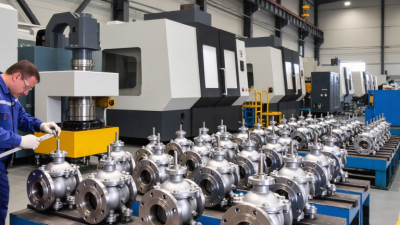
This guide introduces China-based forged valve manufacturers and the questions buyers can use to evaluate them. It considers product range, production capability, quality management, testing procedures, export experience, and communication practices. Buyers should verify claims against relevant certificates, drawings, and test results rather than relying on catalog language alone. A factory visit or independent inspection may help confirm how components are forged, machined, assembled, and tested.

No single supplier will suit every project. Some offer broad customization; others focus on standard sizes or particular valve types. Trade-offs remain. Lead time, minimum order quantities, documentation quality, and after-sales support can matter as much as price. Supplier information can also change, so details should be confirmed directly before an order is placed. The aim is not to name a universal winner, but to help global buyers compare manufacturers with practical criteria and make a more informed shortlist.
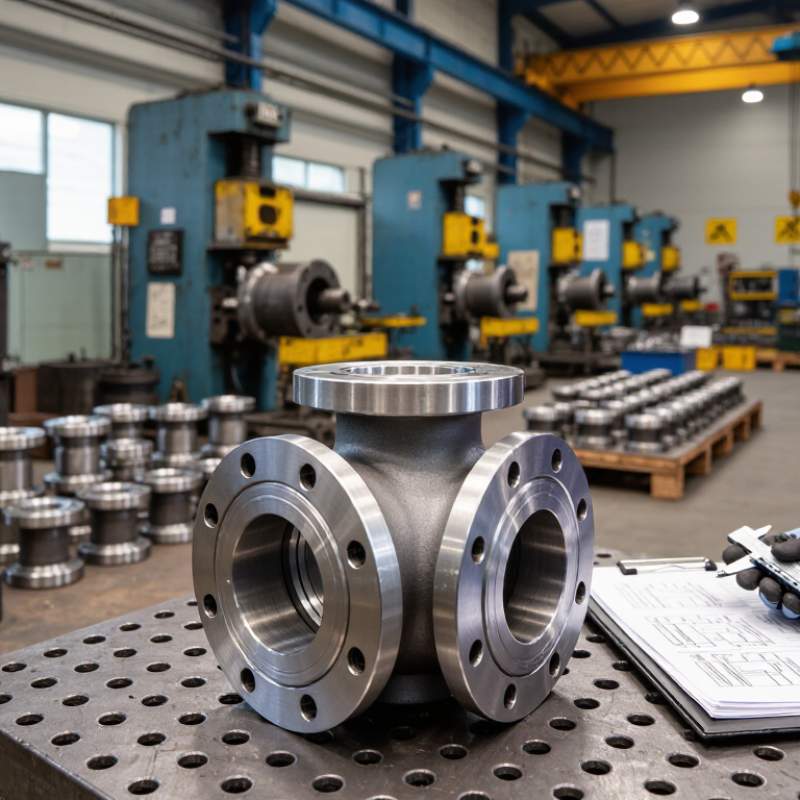
China Top Forged Valve Manufacturers for Global Buyers

What Forged Valves Are and How They Differ from Cast Valves

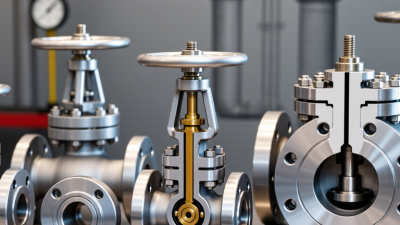
Forged valves begin as heated metal billets or bars, shaped under compressive force in a die or press. The process can create a compact body and align the metal’s grain flow with its shape. This construction is often selected for demanding pressure service, such as a valve on a steam line or hydraulic skid. Forged bodies commonly suit small and medium sizes, though practical limits depend on design and manufacturing capability. Details matter.

Cast valves are made by pouring molten metal into a mold, then cooling and finishing it. Casting can produce large bodies and intricate internal passages. However, shrinkage, porosity, or inclusions may occur if process control is poor; forging can also have defects, such as laps or uneven deformation. Neither method guarantees quality. Buyers should compare pressure-temperature ratings, material records, heat treatment, dimensional checks, and test documentation. A forged body is not automatically the safer choice. For a large, complex valve, a qualified casting may be practical; for a compact, highly stressed body, forging may offer advantages. Process labels alone tell only part of the story.

How China’s Forged Valve Industry Serves Global Markets

China’s forged-valve industry serves global markets through a large manufacturing base, metalworking capacity, and export-oriented supply chains. World Steel Association’s World Steel in Figures 2024 reports that China produced 1,019.1 million tonnes of crude steel in 2023, about 54% of the global total. This scale supports access to materials and machining services, but it does not prove every producer meets demanding service conditions. Details matter. Buyers assess pressure ratings, material traceability, heat-treatment records, and inspection documents before shipment. One limitation is that national production figures reveal little about consistency at individual factories.

Demand is also shaped by investment in energy infrastructure. The International Energy Agency’s World Energy Investment 2024 estimated global energy investment would exceed US$3 trillion in 2024, with roughly US$2 trillion directed to clean-energy technologies. These figures describe the wider project environment, not forged-valve sales alone. Still, pipelines, storage systems, and processing plants need dependable flow-control components. Export suppliers compete on documentation, lead times, and their ability to meet project specifications. Shipping distance can complicate replacement planning. Quality varies. Buyers should verify certificates against the actual production batch and request inspection evidence, rather than treating a country-level manufacturing advantage as a guarantee.

Forged Valve Pressure Classes for Global Markets

Standardized ASME pressure class designations commonly specified for industrial valves.

The bars show nominal class designations, not pressure values in psi. Allowable working pressure depends on valve material and temperature. Reference: ASME B16.34.

Which Industries and Applications Use Forged Valves

Forged valves are widely used where pressure, temperature, or vibration makes dependable containment important. In oil and gas facilities, they control flow in wellhead equipment, pipelines, and compact process lines. Power plants use them on steam and feedwater systems, where repeated heating and cooling can stress components. Chemical plants also rely on forged valves for process lines carrying corrosive or high-temperature fluids. Material compatibility still matters; “forged” alone does not guarantee suitability.

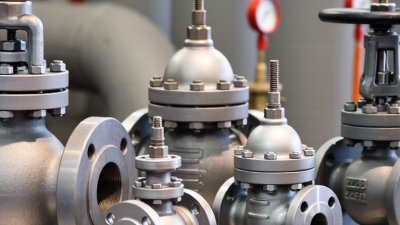
Their compact bodies make forged valves useful in confined installations, including shipboard systems, refineries, and industrial hydraulic circuits. Common choices include gate, globe, and check valves, selected for isolation, throttling, or preventing reverse flow. A valve’s pressure class, connection type, operating temperature, and fluid must match the actual service conditions. Choosing by pressure rating alone is a common mistake. It can overlook corrosion, cycling, or maintenance access.

Tips: Check the specified material and pressure-temperature limits against the process data. Ask how often the valve will operate, and whether inspection space is available. Small details matter. Forged construction can offer strength, but it is not a shortcut around sound design. Even experienced teams should revisit assumptions when service conditions change.

How to Evaluate China’s Leading Forged Valve Manufacturers

China’s large steel base can support a broad forged-valve supply chain, but output alone says little about workmanship. The World Steel Association’s World Steel in Figures 2024 reports that China produced about 1.019 billion tonnes of crude steel in 2023. Scale is not proof. Buyers should check whether a manufacturer can trace each valve body to its material certificate, heat number, and heat-treatment record. Ask for chemistry and mechanical-test results, not just a polished certificate. Then compare the stated design and inspection requirements with the standards specified for your project.

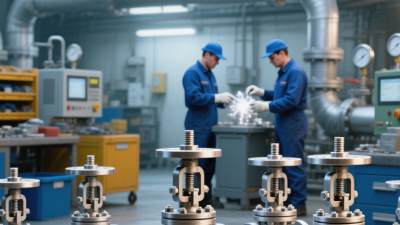
Evaluate the process on the shop floor, if possible. Look closer. Review forging records, machining controls, non-destructive examination reports, and pressure-test procedures. For a sample order, match serial numbers across drawings, test records, and packing documents. Small gaps matter. A pressure-test video is useful, but it cannot replace a signed report with acceptance criteria and calibrated instrument details. Ask how nonconforming parts are isolated and corrected; the answer may reveal more than a sales presentation. I would still treat a single successful sample cautiously. Consistency across production lots is harder to demonstrate, and buyers should request recent, traceable records before approving a supplier.

How Global Buyers Can Verify Suppliers and Manage Procurement

China Top Forged Valve Manufacturers for Global Buyers

Global buyers should verify a forged-valve supplier with evidence, not polished brochures. Request current quality certificates, material test reports, heat-number traceability, and records of pressure testing. Check that the quoted design standard, pressure class, material grade, and temperature range match the project specification. A certificate alone proves little about a particular production batch. Ask to trace one finished valve back to its steel heat and inspection results.

Make inspection requirements clear before placing the order. Agree on witness points, non-destructive testing, dimensional checks, and document delivery in writing. An independent inspection can help, but it cannot replace reviewing the supplier’s process and records. A tidy audit file may still hide inconsistent batch controls; that deserves a closer look. Keep records.

Procurement planning should account for shipping variability as well as factory lead time. The World Bank’s Logistics Performance Index 2023 reports a median of 44 days for goods moving internationally from the exporting country’s entry point to the importing country’s exit point. UNCTAD’s Review of Maritime Transport 2024 notes that over 80% of world trade by volume moves by sea. Build realistic buffers, confirm packaging and shipment milestones, and request written notice of production delays. These figures describe broad logistics conditions, not a guaranteed delivery window for any valve order.

China Top Forged Valve Manufacturers for Global Buyers - How Global Buyers Can Verify Suppliers and Manage Procurement
Procurement Stage Verification Dimension Buyer Checks and Evidence Practical Acceptance Guidance
Supplier Screening Legal identity and manufacturing location Check the supplier’s registered business details, factory address, export entity, and whether manufacturing is performed in-house or subcontracted. Ensure the contracting entity, invoice issuer, and payment beneficiary are clearly identified and consistent with the agreed transaction structure.
Supplier Screening Quality management system Request the current quality-management certificate and verify its validity, issuing body, covered site, and scope directly with the issuer or an official verification service. Treat certification as supporting evidence, not proof of product conformity. Confirm that the certificate scope covers the relevant manufacturing activities.
Technical Review Applicable design and product standards Request a compliance matrix identifying the governing valve, design, pressure-rating, testing, and material standards for each item. List the applicable standard and edition in the purchase order. Confirm that the selected standards match the valve type, size, pressure class, material, and destination-market requirements.
Technical Review Pressure-temperature rating and design details Review drawings, datasheets, end connections, face-to-face dimensions, pressure class, operating conditions, and pressure-temperature rating information. Check ratings against the specified design conditions and the applicable standard. Resolve any differences in dimensions, materials, or end connections before production release.
Material Control Material traceability and certificates Request material test certificates showing the material grade, heat number, chemical composition, and mechanical properties; specify EN 10204 Type 3.1 certificates when required by the contract. Confirm that heat numbers on certificates correspond to the material and finished components. Define certificate language, format, and traceability requirements before ordering.
Material Control Material identification and PMI For alloy or otherwise critical materials, agree whether positive material identification (PMI) is required, which components are covered, and how results will be recorded. Set the PMI scope and acceptance criteria in the inspection plan. Do not treat PMI as a substitute for the required material certificates or mechanical testing.
Quality Assurance Inspection and pressure testing Request the inspection and test plan, sampling or witness points, test records, and identification of the applicable valve test standard, such as API 598 or ISO 5208 where specified. Agree test type, pressure, duration, leakage criteria, and acceptance rules by reference to the applicable standard and purchase specification; requirements vary by valve type and service.
Quality Assurance Non-destructive examination Where required by design, material, service, or contract, define the NDE method, coverage, personnel qualification, reporting, and acceptance criteria. Specify NDE requirements in the purchase documents. Do not assume that every forging requires the same NDE method or inspection coverage.
Production Control Capacity and production planning Review the production schedule, equipment relevant to the ordered products, subcontracted processes, current workload, and planned inspection dates. Base delivery commitments on documented milestones and confirmed capacity rather than general production claims. Identify critical-path components and subcontractors.
Pre-Shipment Inspection and release documentation Agree whether inspection is conducted by the buyer, a third-party inspector, or both. Define document review, hold points, witness points, and release authorization. Release shipment only after required inspections are closed and the agreed records are available, including test reports, material certificates, and packing details.
Logistics Packing, marking, and shipping documents Confirm corrosion protection, end protection, moisture control, lifting and handling instructions, package markings, packing list, and required export documents. Specify packaging for the transport mode and storage conditions. Agree the delivery term and named place using the applicable Incoterms® 2020 rule.
Contract Management Commercial terms and change control Document specifications, quantities, unit prices, currency, delivery milestones, payment milestones, inspection rights, warranty terms, and the process for approving deviations. Use a signed purchase order and approved drawings as the controlling documents. Require written approval for changes to materials, design, subcontractors, or delivery dates.
After Delivery Receiving inspection and claims process Check package condition, quantities, identification, certificates, and visible damage on receipt. Record discrepancies with photographs and inspection findings. Define notification deadlines, evidence requirements, corrective-action expectations, and warranty remedies in the contract; these are commercial terms, not universal standard requirements.
×
img

    Contact Info

    Phone number

    661-392-8948

    Address info

    3451 Pegasus Drive, Bakersfield, CA USA