How to Choose Forged Valves for Your Application?
Choosing forged valves begins with the service conditions, not the catalogue photograph. Record operating pressure, temperature range, fluid composition, flow direction, and expected cycling. A valve handling hot steam faces different demands from one controlling clean water at moderate pressure. Small details matter. Check body and trim materials against corrosion, erosion, and temperature limits. Confirm pressure class, bore size, end connections, and operator requirements. Forged construction can provide a compact body and consistent material structure, but it is not automatically the right choice for every duty. Design, manufacturing quality, and inspection still matter.
Compare the valve’s stated ratings with the actual system envelope, including startup, shutdown, and pressure surges. Review the applicable design standard, pressure-temperature tables, material specifications, and test documentation for the exact model. Ask whether the supplier can provide material traceability and clear inspection records. These details help verify that the valve matches its intended service. Do not guess. Evaluate maintenance access, actuation torque, installation space, and replacement lead times before approval. A neat specification can still leave gaps, especially when the fluid or operating cycle is poorly defined. If critical inputs remain uncertain, confirm them with the process or piping engineer. The best selection is not simply the strongest valve; it is one with verified ratings, suitable materials, and practical support for the application.
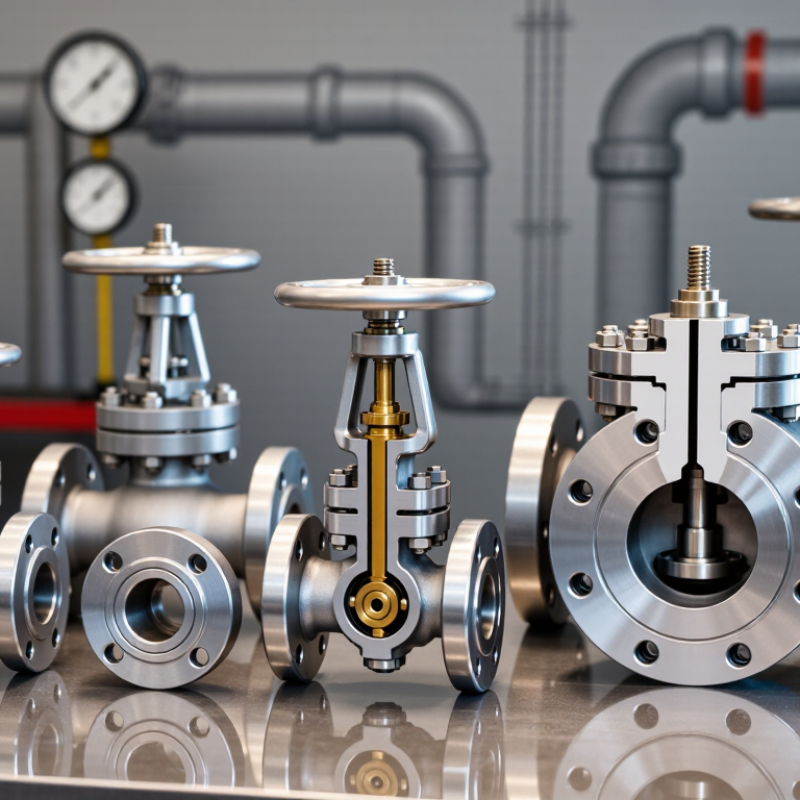
Define Pressure, Temperature, and Media Requirements Under ASME B16.34
How to Choose Forged Valves for Your Application?
Define Pressure, Temperature, and Media Requirements Under ASME B16.34
Start with the actual operating envelope, not the normal reading on a control screen. Record design pressure, operating pressure, design temperature, and temperature cycling. ASME B16.34 pressure-temperature tables help establish the valve rating for the selected material group. A Class rating alone is not enough. The allowable pressure can fall sharply as temperature rises.
Media details require equal attention. Identify the fluid, concentration, viscosity, solids, toxicity, and corrosive potential. Hot steam, sour gas, oxygen service, and abrasive slurry create very different material demands. Check body, bonnet, stem, seat, and packing compatibility separately. One weak component can limit the complete valve. The valve ends must also match the piping specification and applicable dimensions.
In field reviews, I have seen teams select forged valves from pressure data alone. That shortcut often creates trouble. Verify shutoff direction, cycle frequency, thermal expansion, and installation space. Review the standard’s requirements with qualified engineering personnel and request traceable material documentation. Pressure testing should reflect the applicable purchase specification and service risk. A spreadsheet can still mislead. Real conditions are rarely clean. Recheck assumptions when pressure pulses, temperature swings, or media contamination are possible. Small details matter.
Match Forged Valve Types to Service: Gate, Globe, Check, and Ball
How to Choose Forged Valves for Your Application?
Match Forged Valve Types to Service: Gate, Globe, Check, and Ball
Forged valves are often selected for compact, high-pressure piping, but the right type depends on the job. Gate valves suit on-off isolation where flow should pass with little restriction when fully open. They are poor choices for throttling; a partly open gate can suffer wear and vibration. Globe valves provide more controlled adjustment, though their flow path creates greater pressure loss. Check valves prevent reverse flow. Match their design and orientation to the line, since abrupt closure can cause water hammer. Ball valves offer quick, quarter-turn shutoff and work well when reliable isolation matters.
Tips: Confirm pressure, temperature, fluid, connection, and material requirements before comparing valve types. Check the installation direction and available operating space. For example, a tight pipe rack may make handle clearance a real issue. Review current engineering specifications and supplier documentation for the exact service conditions; a valve’s nominal size alone does not confirm suitability.
The best choice is not always obvious. Dirty or viscous fluids may affect seating, while frequent cycling can change wear patterns. I would not assume that one valve type solves every operating need. If isolation and flow control are both required, separate valves may be more dependable than asking one valve to do both.
Select Materials Using ASTM A105, A182 F316, and Corrosion Data
How to Choose Forged Valves for Your Application?
Forged valve selection starts with pressure, temperature, and the fluid’s actual chemistry. ASTM A105 is a common carbon-steel forging specification for pressure components. It can suit many noncorrosive services, but moisture, acids, or salty condensate may require more protection. ASTM A182 F316 is a forged stainless-steel grade containing molybdenum. That addition improves resistance to chloride pitting compared with many standard stainless steels. It does not make the valve immune to corrosion. Chloride concentration, temperature, stagnant pockets, and crevices can still cause damage. Check the applicable material specification and confirm that the valve’s pressure-temperature rating fits the service.
Tips: Compare corrosion data at your operating temperature and concentration, not just at room temperature. Ask for material test records and verify the heat number against the component. Look closely at seat, stem, and trim materials too; a suitable body alone is not enough. For changing process conditions, leave room for uncertainty. Published tables cannot capture every impurity or flow pattern, and a seemingly conservative choice can still need review by a materials specialist.
Verify Size and Pressure Class: API 602 Covers NPS 4 and Smaller
For forged valves, confirm the nominal pipe size before comparing pressure classes. API Standard 602 covers steel gate, globe, and check valves in NPS 4 and smaller. That boundary matters: a valve marked NPS 4 is not automatically suitable for every four-inch line or connection. Check the end type, face-to-face dimensions, and required bore against the piping specification. Size is only a start.
Then verify pressure and temperature together. ASME B16.34’s pressure-temperature tables show why a class number is not a fixed pressure limit: allowable pressure changes with material and operating temperature. Compare the design conditions at the valve location with the relevant table, not just the line’s normal operating pressure. For example, a hot steam line may need a different rating check than a cool water line at the same pressure. Check both. Also confirm the forged body material, trim, and seat suit the fluid and expected cycling. API 602 and ASME B16.34 provide the technical basis; project specifications and inspection records help confirm the delivered valve matches it. I would still question any selection based on size and class alone. Small valves can be easy to overlook.
How to Choose Forged Valves: Verify Size and Pressure Class
API 602 covers forged steel gate, globe, and check valves in sizes NPS 4 and smaller. The chart shows common pressure-class designations associated with API 602 valves.
Class numbers are designations, not pressure ratings in psi. Confirm the valve’s NPS, material, end connection, and applicable pressure–temperature rating for your service conditions.
 (780) 669-9420