
Blog
- Home
- Blog
2026 Top Forged Steel Valves Manufacturers for Global Buyers
Global buyers are entering a more demanding valve market. Forged steel valves remain essential in oil and gas, power generation, petrochemicals, water infrastructure, and high-pressure process systems. Their compact bodies, strong grain structure, and reliable sealing performance suit severe service conditions. Still, material strength alone does not guarantee safe operation.
Grand View Research reports continued growth in the global industrial valves market, supported by energy investment, infrastructure renewal, and process automation. Fortune Business Insights also identifies pressure control, pipeline expansion, and industrial modernization as important demand drivers. These reports offer useful direction, but forecasts are not purchasing decisions. Regional demand can shift quickly. Data quality also varies.
Greg Johnson, a longtime valve-industry educator, has emphasized a practical principle: “A valve is only as good as the system it serves.” That warning deserves attention. A forged steel valve may look excellent on a test bench, yet fail to meet a buyer’s temperature, pressure, media, or maintenance requirements.
This 2026 guide examines leading forged steel valves manufacturers for global buyers. It considers manufacturing experience, API and ASME compliance, traceability, testing capability, lead times, customization, and after-sales support. Details matter. A heat-number record, hydrostatic test report, or clearly marked pressure class can reveal more than polished marketing language.
The ranking is not perfect. No supplier list can replace engineering review, factory audits, and application-specific verification. However, it can provide a practical starting point for buyers comparing manufacturers across quality, reliability, and total ownership value.
What Forged Steel Valves Are and Why Global Buyers Choose Them
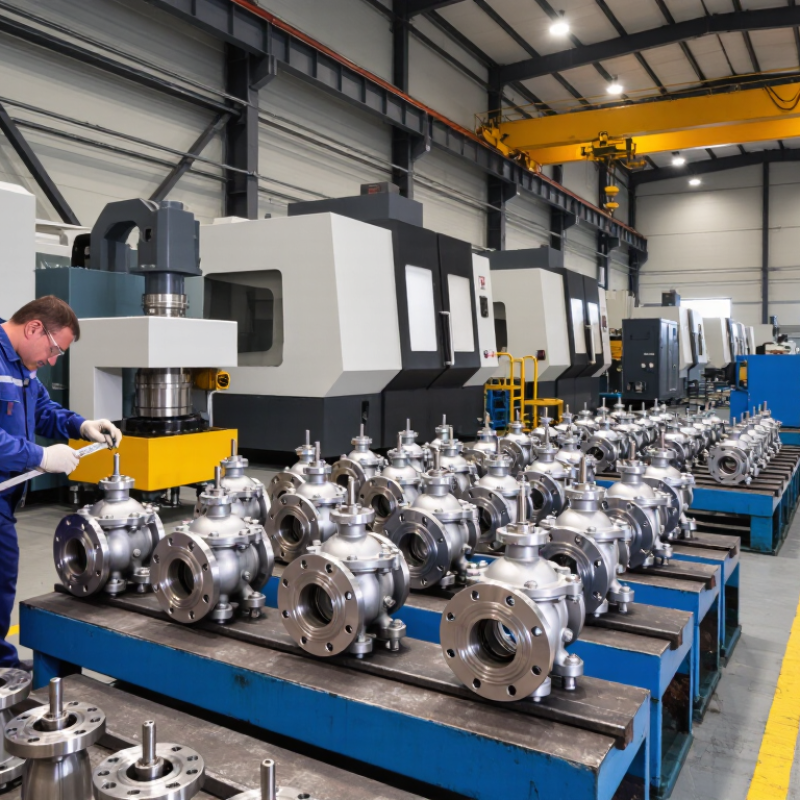
Forged steel valves are pressure-control components made from heated steel billets. Manufacturers shape the metal under controlled force, then machine critical sealing surfaces. This process creates a dense body with fewer internal voids. It suits demanding oil, gas, power, and process applications. Small-bore forged valves are especially common where pressure ratings are high and installation space is limited.
Global buyers choose them for strength, dependable sealing, and long service potential. In field inspections, technicians often check body markings, surface quality, material certificates, and pressure-test records. Positive material identification can confirm the alloy before installation. Hydrostatic and gas tests help reveal leakage that visual checks may miss. Clear documentation also supports customs clearance, maintenance planning, and project audits.
Still, forged steel is not automatically the best choice. It may cost more than cast alternatives and can require careful welding procedures. Poor machining or incorrect heat treatment can damage performance. That risk is easy to underestimate. Buyers should match pressure class, temperature, end connection, trim material, and applicable standards to the actual service. A reliable supplier should explain test methods, inspection limits, and traceability without vague promises. That practical transparency matters more than a polished catalog.
Key Valve Types, Materials, Ratings, and Industrial Applications
Forged steel valves suit demanding systems where pressure, heat, and repeated cycling leave little room for weakness. Gate valves provide straight-through isolation, while globe valves support more controlled throttling. Check valves help prevent reverse flow in pumps and process lines. Ball valves offer quick shutoff, but their sealing performance depends on correct service conditions. These choices look simple on paper. Field conditions often prove otherwise.
Common materials include carbon steel, stainless steel, and alloy steel. Carbon steel handles many oil, gas, steam, and water duties. Stainless steel resists corrosion in chemical and food-processing environments. Alloy grades support higher temperatures and aggressive media. Pressure ratings, such as Class 150, 300, or 600, must match design pressure and temperature together. A high rating alone does not guarantee safe operation. Forging quality, heat treatment, testing, and traceable inspection records also matter.
Tips: Confirm the fluid, temperature, pressure, connection standard, and operating frequency before ordering. Check whether the valve needs fire-safe, low-emission, or cryogenic features. Ask for material certificates and pressure-test reports. Do not rely on a catalog image. A valve that fits the pipe may still fail the application. I have seen selection errors begin with one missing temperature value. The better decision is sometimes the less obvious one.
2026 Top Forged Steel Valves Manufacturers for Global Buyers - Key Valve Types, Materials, Ratings, and Industrial Applications
Non-branded technical comparison of commonly manufactured forged-steel valve configurations for international industrial procurement.
| Valve Type | Typical Manufacturing Standard | Common Body and Bonnet Materials | Typical Pressure Ratings | Typical Size Range | Primary Industrial Applications | Key Selection Considerations |
|---|---|---|---|---|---|---|
| Forged Gate Valve | API 602; ASME B16.34; ASME B16.10 | ASTM A105 carbon steel; ASTM A182 F11 or F22 alloy steel; ASTM A182 F316 or F316L stainless steel | ASME Class 150, 300, 600, 800, 1,500, and 2,500 | NPS ¼ to 4, with compact high-pressure designs commonly used up to NPS 2 | Steam, boiler feedwater, refinery piping, chemical processing, power generation, and general process isolation | Best for fully open or fully closed service; not recommended for continuous throttling because seat and disc erosion may occur |
| Forged Globe Valve | API 602; ASME B16.34; BS 1873 where applicable | Carbon steel, Cr-Mo alloy steel, stainless steel, and low-temperature carbon steel grades | ASME Class 150 through Class 2,500 | NPS ¼ to 4 | Flow regulation, steam systems, fuel lines, chemical plants, power stations, and high-pressure utility services | Provides better throttling control than a gate valve but normally creates a higher pressure drop |
| Forged Check Valve | API 602; API 6D for applicable pipeline service; ASME B16.34 | ASTM A105; ASTM A182 F11/F22; ASTM A182 F304/F316; duplex stainless steel for selected corrosive services | ASME Class 150, 300, 600, 800, 1,500, and 2,500 | NPS ¼ to 4 | Pump discharge, compressor systems, boiler lines, hydrocarbon processing, and prevention of reverse flow | Choose lift, piston, or swing construction according to flow direction, velocity, installation position, and pressure-drop limits |
| Forged Ball Valve | API 608; ASME B16.34; API 6D for pipeline designs | Carbon steel, low-temperature carbon steel, stainless steel, duplex stainless steel, and nickel-alloy options | ASME Class 150 through Class 2,500 | NPS ¼ to 12 depending on construction and service specification | Oil and gas, LNG, petrochemical processing, water treatment, utilities, and emergency isolation systems | Offers fast quarter-turn operation and low operating torque; verify fire-safe, fugitive-emission, anti-static, and low-temperature requirements |
| Forged Needle Valve | ASME B16.34; MSS SP-99 for instrumentation applications | 316/316L stainless steel, carbon steel, alloy steel, and nickel alloys for severe corrosion or temperature service | Commonly 3,000 to 10,000 psi; higher ratings are available for specialized instrumentation designs | Typically ⅛ to 2 | Instrumentation, pressure measurement, hydraulic control, sampling lines, laboratory systems, and small-bore process piping | Designed for precise low-flow control and isolation; not generally selected for large-volume mainline flow |
| Forged Plug Valve | API 599; ASME B16.34 | Carbon steel, stainless steel, alloy steel, duplex stainless steel, and corrosion-resistant alloy trim | ASME Class 150 through Class 1,500 in common process configurations | NPS ½ to 4 for many forged compact designs | Gas distribution, chemical processing, refinery service, slurry-compatible systems, and hydrocarbon isolation | Provides quarter-turn isolation; lubricated, non-lubricated, and sleeved designs should be matched to media compatibility and maintenance requirements |
| Low-Temperature Forged Gate Valve | API 602; ASME B16.34; ASTM impact-testing requirements | ASTM A350 LF2 low-temperature carbon steel; ASTM A182 F304L or F316L stainless steel | ASME Class 150 through Class 1,500 | NPS ¼ to 4 | LNG, refrigerated hydrocarbons, air separation, cryogenic utilities, and low-temperature process lines | Confirm minimum design temperature, Charpy impact testing, extended bonnet requirements, packing performance, and material traceability |
| High-Temperature Cr-Mo Forged Valve | API 602; ASME B16.34; ASTM A182 material specifications | ASTM A182 F11, F22, F5, or F9 alloy steel; hardened alloy-steel trim may be specified | ASME Class 600 through Class 2,500 | NPS ¼ to 4 | Superheated steam, thermal power, boiler systems, hydrogen service, and high-temperature refinery units | Requires attention to creep strength, thermal cycling, weldability, heat treatment, pressure-temperature ratings, and trim hardness |
| Stainless-Steel Forged Valve | API 602 or API 608; ASME B16.34; NACE requirements where applicable | ASTM A182 F304/F304L, F316/F316L, F321, F347, duplex, or selected nickel alloys | ASME Class 150 through Class 2,500 | NPS ¼ to 4 for many compact forged designs | Chlor-alkali, pharmaceutical processing, food and beverage, chemical processing, marine systems, and corrosive utilities | Material selection must consider chloride concentration, pitting resistance, temperature, cleanliness, surface finish, and galvanic compatibility |
| Hydrogen-Service Forged Valve | ASME B16.34; API 602 or API 608; ISO 15848 for emission control where specified | Carbon steel, Cr-Mo alloy steel, austenitic stainless steel, duplex stainless steel, or nickel alloys according to hydrogen conditions | ASME Class 300 through Class 2,500 depending on pressure and temperature | NPS ¼ to 4 for many forged configurations | Hydrogen production, refining, ammonia, petrochemical processing, fuel systems, and energy-transition projects | Specify hydrogen-compatible materials, controlled hardness, suitable seals, fugitive-emission performance, cleanliness, and documented testing |
| NACE-Compliant Forged Valve | NACE MR0175/ISO 15156 for sour-service material selection; API 602 or API 608 | Carbon steel, low-alloy steel, stainless steel, duplex, and nickel alloys selected for hydrogen sulfide exposure | ASME Class 150 through Class 2,500 | NPS ¼ to 4 for typical forged valve designs | Sour gas, oil production, gas processing, sulfur recovery, and upstream or midstream hydrocarbon systems | Verify hardness limits, environmental conditions, material certificates, heat treatment, corrosion allowance, and sour-service testing documentation |
| Extended-Bonnet Forged Valve | API 602 or API 608; ASME B16.34; project-specific cryogenic standards | Stainless steel, low-temperature carbon steel, nickel alloy, or other cryogenic-compatible forged materials | ASME Class 150 through Class 1,500 in common applications | NPS ¼ to 4 | LNG, liquid nitrogen, liquid oxygen, liquid hydrogen, and other cryogenic fluids | Extended bonnet protects stem seals from extreme temperatures; confirm bonnet length, insulation arrangement, seat design, and oxygen-cleaning requirements |
| Jacketed Forged Valve | ASME B16.34; API 602 or API 608 where applicable | Carbon steel, stainless steel, alloy steel, or corrosion-resistant forged body with compatible jacket material | Process pressure commonly ASME Class 150 through Class 600; jacket rating is specified separately | Typically NPS ½ to 4 | Viscous chemicals, polymers, bitumen, sulfur, resins, and media requiring heat tracing | Evaluate jacket pressure, heating medium, thermal expansion, drain and vent arrangements, insulation, and body-to-jacket fabrication quality |
Technical note: Pressure class, temperature limits, end connections, face-to-face dimensions, testing, trim, and material requirements must be confirmed against the applicable valve standard, project specification, and pressure-temperature rating tables before purchase.
How to Evaluate Forged Steel Valve Manufacturers in 2026
When evaluating forged steel valve manufacturers in 2026, look beyond catalog photographs. Request heat numbers, material certificates, and pressure-test records for recent batches. A reliable supplier can connect each valve to its steel melt, forging route, and final inspection. Ask whether inspectors verify body grain flow, wall thickness, thread quality, and sealing surfaces. Small omissions can expose large risks.
Technical capability should match your operating conditions. Review design calculations, temperature ratings, pressure classes, and applicable standards before comparing prices. Ask to see machining tolerances and test procedures, not only compliance statements. During a factory audit, observe storage conditions, calibration labels, and how rejected parts are isolated. Clean floors help, but they prove little. Check production capacity against your delivery schedule, especially for custom dimensions or unusual pressure requirements.
Examine engineering experience through sample drawings, failure analyses, and change-control records. The best conversations include uncomfortable questions about leakage, delivery delays, and corrective action. Check whether technical staff answer clearly or hide behind sales language. Verify export documents, packaging methods, spare-part support, and response times. I would also test a sample independently when the application is critical. It adds cost. It may reveal assumptions. A low quotation can reflect efficient production, or missing inspection steps; documented evidence separates them.
Global Manufacturing Standards, Certifications, and Quality Controls
Forged steel valve manufacturing for global buyers begins with controlled materials and traceable production. Reliable facilities work under ISO 9001 quality systems, with documented procedures for forging, heat treatment, machining, and testing. Each valve should carry a traceable heat number. That detail matters.
International projects may reference API 602, ASME B16.34, EN standards, or regional pressure equipment rules. Requirements must match the service, pressure class, temperature, and installation country. A certificate alone proves little. Buyers should verify its scope, expiry date, issuing body, and covered product range.
Quality control becomes visible on the shop floor.
Inspectors review chemical analysis, tensile results, hardness readings, and dimensional reports. Pressure testing should confirm shell and seat integrity, with recorded test pressure and duration. For critical service, purchasers may request positive material identification, non-destructive examination, fugitive-emission testing, or EN 10204 3.1 documentation. Sour-service applications require additional material controls under relevant corrosion standards.
Factory audits can reveal practical weaknesses, including poor calibration records or unclear segregation of stainless materials. I have found that small traceability gaps create larger problems during final inspection. Not every supplier needs every certificate. Over-documentation can also hide weak process control. Clear specifications, independent verification, and honest corrective-action records provide stronger confidence than impressive paperwork alone.
Top Manufacturer Profiles and Buyer Selection Considerations
When evaluating forged steel valve manufacturers, buyers should study capabilities rather than polished brochures. An integrated manufacturer controls forging, heat treatment, machining, assembly, and pressure testing. This can reduce communication gaps. Ask whether each stage has documented inspection records and traceable material certificates.
Manufacturer profiles usually fall into three practical groups. Large integrated plants offer stable capacity, automated machining, and broad size ranges. Specialist workshops may provide faster engineering support for unusual pressure classes or compact designs. Smaller suppliers can be flexible, but their production controls require closer review. Facility visits, sample reports, and video audits can reveal more than sales claims.
Selection should begin with operating details. Confirm media, pressure, temperature, connection type, valve size, body material, and end-use conditions. Request dimensional drawings before approving a purchase. Check testing equipment, calibration dates, non-destructive examination procedures, and final inspection checkpoints. A reliable supplier should explain rejection handling without hesitation. Lead time matters, but rushed delivery can hide weak planning.
Experience also shows the value of a small trial order. It tests packaging, documentation, communication, and actual machining quality. Not enough alone. Buyers should compare several quotations using the same technical specification. A low price may exclude testing, spare parts, or protective coating. No manufacturer is perfect, and even a strong supplier may miss a detail. Record every assumption, then review it with the engineering team before signing.
Related Posts
-
China Best Forged Valves Manufacturers How to Choose?
-
What Are the Top Types of Forged Valves?
-
How to Choose the Best Forged Steel Valves for Your Needs?
-
Best Forged Valves for Industrial Applications Top Choices?
-
What Is a DHV Gate Valve and What Type Is It?
-
What is a Gate Valve and How Does it Work?

(780) 669-9420