Why Choose Gate Valves for Your Industrial Applications?

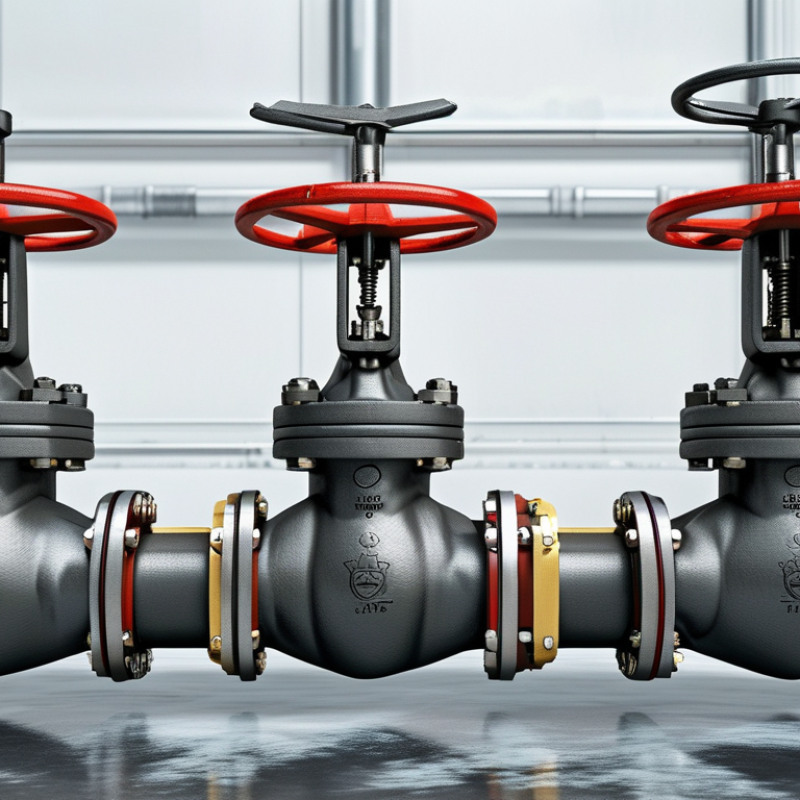
In industrial applications, selecting the right gate valve is crucial. Gate valves are designed for on/off control in pipelines. Their simple design allows for minimal pressure drop. This feature enhances efficiency, making them a popular choice.

The durability of gate valves is another compelling reason for their use. These valves can withstand high pressure and temperature conditions. This is particularly important in demanding environments, like oil and gas industries. Moreover, the sealing mechanism of a gate valve ensures a tight shut-off. Many engineers rely on this reliability in critical operations.

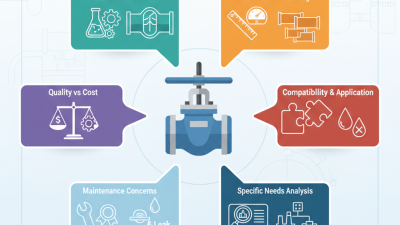
However, there are considerations when choosing gate valves. Maintenance can be challenging in some applications. The valve may need periodic inspections to prevent issues. Understanding the specific needs of your system is essential. A well-informed decision will guarantee optimal performance and reliability.
Why Choose Gate Valves for Your Industrial Applications?

Importance of Gate Valves in Industrial Applications

Gate valves play a crucial role in various industrial applications. Their design allows for efficient flow control. When the valve is fully opened, it provides minimal resistance to flow. This makes them ideal for pipelines handling large volumes of liquid or gas. They are often used in water supply systems, oil and gas industries, and wastewater treatment facilities.

One key advantage of gate valves is their reliability in on/off applications. Unlike other valves, they do not trap water or create turbulence when fully opened. This feature ensures that they are suitable for high-pressure environments. Another consideration is maintenance. Regular inspection is essential to ensure proper functioning. Corrosion and sediment buildup can affect performance.

While gate valves offer many benefits, they also have limitations. They are not suitable for throttling applications due to the risk of seat damage. Proper selection based on the specific application is critical. Understanding these factors helps engineers make more informed decisions. The right choice can lead to long-term efficiency and reduced operational costs.

Importance of Gate Valves in Industrial Applications

Key Advantages of Using Gate Valves

Gate valves are a popular choice in various industrial applications due to their unique design and functionality. One key advantage is their ability to provide a tight seal when fully closed. This quality makes them ideal for applications requiring minimal leakage. Gate valves operate by raising a barrier to allow flow. This design minimizes pressure loss and turbulence compared to other valve types.

Another benefit is their durability. Gate valves are typically made from robust materials, making them suitable for high-pressure environments. They can handle extreme temperatures and are resistant to corrosion. However, this durability often comes with a trade-off. Maintenance can be more complicated compared to ball or globe valves. Regular checks are essential to ensure they function properly over time.

Despite their advantages, gate valves may not always be the best option for rapid flow regulation. They are designed primarily for on/off control rather than throttling. This limitation could lead to inefficiencies in certain scenarios. Users should carefully consider their specific needs when selecting valves for industrial systems. Understanding the strengths and weaknesses of gate valves can prevent costly mistakes and improve operational efficiency.

Operating Principles of Gate Valves

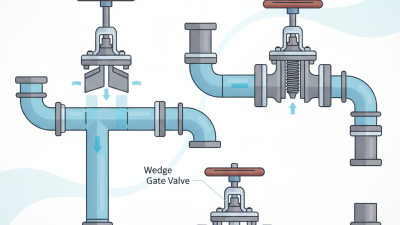
Gate valves operate by lifting a barrier, or "gate," to control flow. This mechanism allows for minimal pressure drop across the valve. Gate valves are designed for full, unrestricted flow, making them suitable for various industries. According to a report from the Valve Manufacturers Association of America, gate valves account for nearly 30% of the global valve market. Their efficiency in applications like oil and gas pipelines is notable.

The operating principle is straightforward yet effective. When the valve’s handle is turned, the gate rises or falls. This movement controls the flow without creating turbulence. This design minimizes energy loss and enhances system performance. Despite their advantages, gate valves can be less responsive in throttling applications. Hence, careful application is crucial to avoid performance issues. Utilizing data from industry studies can help in selecting the right type of valve for specific scenarios.

Maintaining gate valves is critical for optimal operation. Regular inspections can identify corrosion and wear. These factors can impact performance and lead to costly failures. While gate valves remain reliable, their long-term effectiveness relies on proper maintenance and understanding their limitations. Selecting the appropriate valve for your application impacts overall efficiency. Choose wisely, considering all operational aspects.

Common Applications of Gate Valves in Industries

Gate valves are widely used in various industrial applications due to their efficiency and reliability. They provide a simple yet effective way to control the flow of liquids or gases. Industries such as oil and gas, water treatment, and power generation frequently rely on gate valves for their operations. In oil and gas facilities, they are essential for on-off control. This ensures that systems run smoothly, enhancing safety and minimizing leaks.

In the water treatment industry, gate valves allow for precise flow regulation. They ensure that water is delivered effectively while minimizing pressure drops. However, gate valves do require regular maintenance. Neglecting valve upkeep can lead to operational issues, such as leaks or unexpected failures. Regular inspections can help identify problems early.

It's also crucial to select the appropriate materials for gate valves based on the specific application. Different environments may require valves made from corrosion-resistant materials or high-temperature alloys. Understanding these factors can help prolong the life of the valve and improve overall system performance. Being thorough in assessment will prevent costly repairs later.

Maintenance Considerations for Gate Valves

Gate valves are vital components in many industrial systems. However, proper maintenance is essential for their optimal performance. Regular inspection can prevent issues such as leaks and blockages. It is crucial to check the seals and the internal surfaces. This helps identify wear and tear that could lead to failures down the line.

Corrosion is a common concern for gate valves. The choice of materials can greatly influence durability. However, even high-quality materials can deteriorate over time. Regular cleaning of gate valves is equally important. Debris buildup can hinder their functionality. This maintenance task often gets overlooked, but it is crucial for seamless operations.

Operators often neglect the valve's alignment and actuator performance. Misalignment can cause uneven wear and stress. A well-maintained actuator ensures that the gate valve opens and closes efficiently. Ignoring these factors can lead to costly repairs and downtime. It is advisable to document maintenance activities for future reference. This creates a reliable history that can guide repairs and replacements.

×
img

    Contact Info

    Phone number

    661-392-8948

    Address info

    3451 Pegasus Drive, Bakersfield, CA USA