Why Choose Gate Valve for Your Industrial Needs?

In the industrial sector, the choice of valve can significantly impact operational efficiency. Gate valves, known for their durability and reliability, are among the top choices. "Gate valves provide a tight seal and minimal pressure drop," says Dr. Emily Carter, a renowned valve engineer with over 15 years of experience.

Gate valves function effectively in on/off services. They excel in handling fluids with low flow resistance. The design allows for easy maintenance, addressing industry concerns over downtime. Many experts, like Dr. Carter, emphasize the importance of selecting the right valve. A poor choice can lead to leaks and increased costs. Reflection on past mistakes highlights the need for thorough evaluation before decisions are made.

Choosing the right gate valve involves understanding material compatibility and pressure ratings. The market offers various options, yet not all may suit specific needs. It's crucial to assess the unique requirements of each application. Balancing cost and quality can be challenging. Thus, expert insights, such as those from Dr. Carter, serve as invaluable guides in making informed choices.
Why Choose Gate Valve for Your Industrial Needs?

Benefits of Gate Valves in Industrial Applications

Gate valves are a popular choice in various industrial settings. Their design allows for full flow when fully opened, which minimizes pressure drops. They are ideal for on/off control, providing a reliable means to regulate fluid flow. This is especially crucial in industries such as water treatment and oil refining.

In addition to their efficiency, gate valves are known for their durability. They can withstand extreme pressures and temperatures. This makes them suitable for harsh environments. However, their installation requires careful consideration. A poorly installed valve can lead to leaks and operational failures. Regular maintenance is essential to ensure long-term performance.

But, gate valves are not without limitations. They are not suitable for throttling applications due to potential flow turbulence. Understanding these aspects can help industries make informed decisions. Consider the specific requirements of your application. This will guide you in choosing the right valve type for your needs.

Key Specifications and Standards for Gate Valves

Gate valves serve critical roles in industrial settings. When selecting a gate valve, it’s essential to understand its specifications and standards. These factors influence performance and durability. The American Society of Mechanical Engineers (ASME) and the American National Standards Institute (ANSI) set key regulations for these valves. Adhering to these standards ensures safety and reliability.

Material choice is crucial for gate valves. They can be constructed from various alloys and metals, depending on application needs. Common materials include stainless steel and cast iron. Each material has specific temperature and pressure ratings, impacting its suitability. It’s important to assess the chemical compatibility of the valve with your processes. Improper material selection can lead to leaks or valve failure.

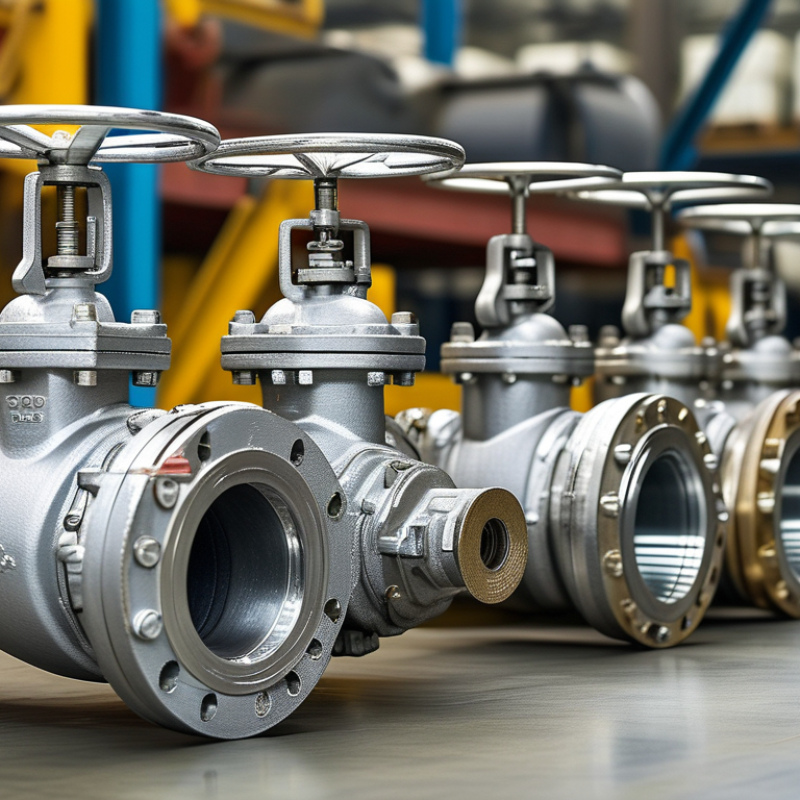
Additionally, consider the valve design. Solid wedge, flexible wedge, or split wedge are common designs. Each comes with unique advantages and disadvantages. For example, a flexible wedge can accommodate seat wear but may not provide a tight seal under all conditions. Evaluating these design aspects can significantly affect long-term operational efficiency. This evaluation process demands thorough knowledge, as poor choices can lead to costly repairs or downtime.

Why Choose Gate Valve for Your Industrial Needs? - Key Specifications and Standards for Gate Valves

Specification Description Standard Material
Size Typically ranges from 0.5" to 48" ASME B16.34 Carbon Steel, Stainless Steel, Cast Iron
Pressure Rating Class 150 to Class 2500 ASME B16.34 Various Alloys Available
Temperature Range -20°F to 800°F API 600 Selected Based on Application
End Connection Types Flanged, Welded, Threaded ASME B16.5 Varies by connection type
Operation Types Manual, Electric, Pneumatic N/A Dependent on actuator type

Durability and Maintenance Considerations for Gate Valves

When considering gate valves for industrial applications, durability and maintenance are crucial aspects. Gate valves are designed to withstand high-pressure environments. They often operate in demanding conditions, including severe temperatures and corrosive substances. The materials used in these valves significantly affect their longevity. Regular inspections can identify wear and prevent failures that could lead to costly downtime.

Maintenance of gate valves can be straightforward. Regular lubrication of moving parts is essential to keep them functional. Operators should be trained to identify issues early. Sometimes, valve seals may wear out, requiring replacement. This process can be time-consuming but is critical to maintaining system integrity. It's crucial to have a planned maintenance schedule to minimize unexpected failures.

Even the most durable gate valves require attention. Neglecting small leaks or corrosion can lead to significant problems over time. Understanding the operating environment is essential. For example, valves in a highly corrosive atmosphere may need more frequent checks. Striking a balance between durability and maintenance can ensure that gate valves meet industrial needs effectively. It's important to reflect on how maintenance practices adapt to changing operational conditions for optimal performance.

Performance Metrics: Flow Control and Pressure Ratings of Gate Valves

Gate valves are essential components in industrial applications. Their design allows for efficient flow control. According to a recent industry report, gate valves can offer flow coefficients ranging from 100 to 400, making them suitable for various fluid types. This gives engineers flexibility in system design.


When it comes to pressure ratings, gate valves can typically withstand up to 600 psi in high-pressure applications. This capability is crucial for industries such as oil and gas, where fluctuating pressures are common. However, a study indicated that improper sizing or installation could lead to failures. It is vital to assess the specific needs of a project carefully.


The performance of gate valves can vary based on manufacturing quality. A recent survey showed that nearly 30% of maintenance issues stem from valve failures. This highlights the importance of regular inspections and proper selection. Investing time in understanding specific requirements can mitigate potential risks.

Cost-Effectiveness of Gate Valves in Long-Term Industrial Use

When considering cost-effectiveness, gate valves stand out in industrial applications. They are simple in design, which helps reduce manufacturing costs. This simplicity translates into lower maintenance expenses over time. Many industries favor them for their durability. A gate valve can endure high pressures and temperatures, making it suitable for various settings.

Moreover, gate valves have a long service life, which provides excellent value. They require less frequent replacement, minimizing interruptions in operations. Yet, they are not without flaws. Slow operation can be a drawback. Users may need to balance speed against durability. This makes understanding your specific needs crucial when choosing valve types.

In the long run, the cost-effectiveness of gate valves often wins out. They offer reliability and efficiency, essential in industrial environments. However, careful consideration of operational requirements is necessary. With a thoughtful approach, gate valves can serve as an invaluable asset in managing industrial flow systems.

×
img

    Contact Info

    Phone number

    661-392-8948

    Address info

    3451 Pegasus Drive, Bakersfield, CA USA