Blog
- Home
- Blog
Why Choose Steel Valves for Global Industrial Projects?
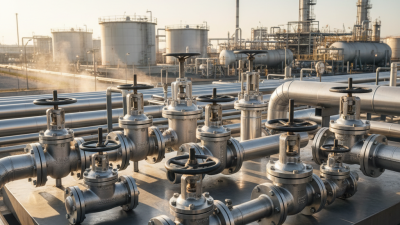
Global industrial projects face pressure, heat, vibration, corrosion, and demanding maintenance schedules. Steel valves are often selected because they provide dependable strength across these challenging conditions. Their value becomes clearer in refineries, power stations, water facilities, and processing plants.
Valve engineering author Peter Smith expresses a practical principle: “Selection begins with the process, not the product.” This guidance matters on international projects. Engineers must review pressure ratings, temperature limits, fluid chemistry, connection types, and operating frequency. Carbon steel valves may suit many general services. Stainless steel valves can offer stronger resistance in corrosive environments. Alloy grades may be necessary when heat or aggressive media creates greater risk.
Details decide performance. A valve body may look robust, yet an unsuitable trim can wear quickly. A correctly rated valve can still fail when installation ignores pipe stress or flow direction. Site teams should verify material certificates, pressure-test records, coating quality, and traceability before shipment. These checks support reliable procurement and consistent maintenance across different countries.
That sounds straightforward. It is not always.
Field experience also reveals uncomfortable gaps. Specifications can be copied from older projects. Local water chemistry may differ. Operators may receive limited training. Even the best steel valves cannot compensate for incomplete process data or careless commissioning. Global buyers should therefore assess suppliers, documentation, spare-parts support, and after-sales response together. The strongest choice is not always the cheapest option. It is the option that remains predictable when conditions become difficult.
What Are Steel Valves and How Do They Work?
Why Choose Steel Valves for Global Industrial Projects?
What Are Steel Valves and How Do They Work?
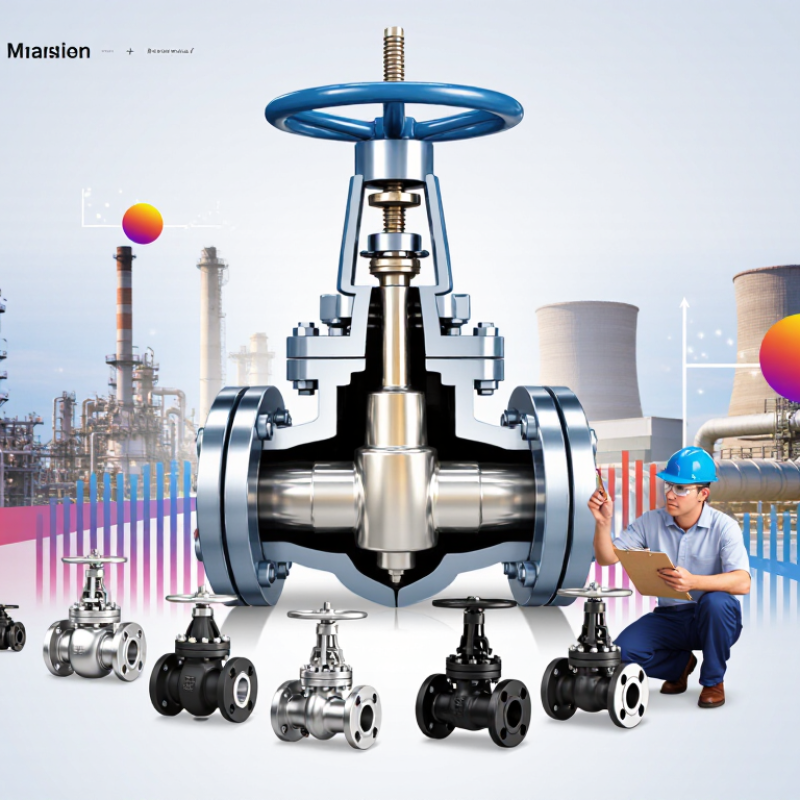
Steel valves regulate, isolate, or redirect fluids inside industrial piping systems. Their bodies are commonly made from carbon steel, stainless steel, or alloy steel. Each material suits different temperatures, pressures, and chemical conditions.
A valve works by moving an internal component. A gate valve lifts a solid gate to open or close flow. A globe valve uses a plug that moves toward a seat, allowing careful flow adjustment. A ball valve turns a drilled sphere through 90 degrees. Butterfly valves rotate a circular disc inside the pipe. Manual wheels, pneumatic actuators, or electric actuators control these movements.
In practical inspections, a strong valve is not enough. The seat must seal properly, the stem must move smoothly, and the actuator must match operating demands. Pressure ratings, connection types, temperature limits, and corrosion resistance need verification before installation. Small details matter. A poorly aligned valve may leak, vibrate, or become difficult to operate.
Tips: Check the flow direction, inspect sealing surfaces, and confirm the valve’s rated pressure. Keep maintenance records, even for valves that appear trouble-free. Steel is durable, but it is not automatically the best choice. Corrosive fluids, moisture, and unsuitable material combinations can shorten service life. Engineers should review actual site conditions rather than rely only on standard specifications. Mistakes happen, especially when selection focuses on price alone.
Which Properties Make Steel Valves Suitable for Industry?
Why Choose Steel Valves for Global Industrial Projects? Steel valves suit demanding projects because steel combines strength, toughness, and design flexibility. A properly selected body tolerates high pressure, thermal cycling, and mechanical loads around pumps and pipelines. Carbon steel is economical for many dry-service lines. Alloy and stainless grades offer better resistance in hot, wet, or chemically aggressive duties. Material selection remains service-specific. The AMPP IMPACT study estimated corrosion costs at US$2.5 trillion annually, equal to 3.4% of global GDP. This explains why corrosion allowances, coatings, and compatible trims deserve early attention. On a coastal site, salt spray can attack exposed hardware before commissioning. Small details matter.
Steel also supports standardized engineering. Designers can match pressure-temperature ratings, wall thickness, weld procedures, and inspection plans to recognized codes. This improves procurement across countries and simplifies replacement planning. World Steel Association data reported 1,892.2 million tonnes of crude steel production in 2023, indicating a deep global manufacturing base in World Steel in Figures 2024. Availability, however, does not guarantee quality. Heat treatment records, chemical certificates, nondestructive testing, and traceability must be checked. A valve may look robust yet fail through poor welding or unsuitable elastomers. That uncomfortable possibility should shape factory acceptance tests and site checks. Engineers sometimes over-specify stainless steel when carbon steel would perform safely. They also underestimate erosion near throttling points. Reconsidering both habits can reduce cost without weakening reliability.
How Do Steel Valves Perform in Different Global Environments?
Steel valves perform differently across global industrial environments, and material selection matters more than appearance. In a coastal desalination plant, salt-laden air can accelerate corrosion around stems, bolts, and flange connections. Stainless steel may resist this exposure, while duplex steel can suit higher chloride risks and pressure demands. The correct choice still depends on chemistry, temperature, and operating cycles.
In cold northern facilities, low temperatures can reduce steel toughness. Engineers should review impact-test results before approving valves for outdoor pipelines. In desert projects, sand, heat, and wide temperature changes challenge seals and actuator components. Protective coatings help, but they are not permanent solutions. Regular inspection remains necessary. In tropical regions, humidity may enter poorly protected systems and damage external surfaces.
Pressure is only one concern. High-altitude installations may require careful actuator sizing, while seismic zones need suitable supports and flexible connections. Chemical plants demand compatibility checks against acids, solvents, and process fluids. A valve that performs well in clean water may fail quickly in an abrasive slurry. That difference is easy to underestimate.
Field experience also shows that standards alone cannot guarantee reliability. A specification may look complete but still ignore local maintenance skills, spare-part access, or installation quality. Steel valves need documented testing, traceable materials, and clear inspection records. They also need realistic service planning. Sometimes, a cheaper valve creates higher lifecycle costs. Sometimes, the selected steel is simply excessive. Engineers should question both assumptions before the project moves forward.
What Standards Govern Steel Valve Quality and Safety?
Steel valve quality begins with standards that define design, materials, testing, and documentation.
ASME B16.34 covers pressure-temperature ratings and essential design requirements. API 598 and ISO 5208 address pressure testing and leakage acceptance. These references help engineers compare valves across international projects.
Material control is equally important. ASTM specifications identify suitable steel grades and mechanical properties. EN 10204 3.1 certificates can trace chemical composition, heat treatment, and test results to a production batch.
For European installations, EN 12516 may support pressure design checks, while the Pressure Equipment Directive can affect conformity assessment. Traceability matters.
Service conditions often require additional controls. ISO 15156 addresses materials exposed to sour environments containing hydrogen sulfide. Fire-safe designs may require testing under API 607 or API 6FA, depending on the valve application.
Independent inspection can verify welding records, nondestructive examination, coating thickness, and final test pressure. Small gaps remain possible. A certificate does not prove correct installation, torque, or pipeline cleanliness. Fit matters too.
Experienced project teams review the complete chain: specification, drawings, material certificates, factory tests, shipping protection, and site commissioning. They also check whether the selected standard matches the actual fluid, temperature, pressure, and regional requirements.
That review is not always perfect, especially when several standards overlap. Careful records and realistic field inspections reduce those risks.
How Should Businesses Select and Maintain Steel Valves?
Selecting steel valves for a global project begins with the service, not the catalog. Define fluid composition, pressure, temperature, flow direction, and cycling frequency. A valve handling hot steam needs different body and seat considerations than one carrying corrosive brine. Review applicable design and testing standards for each destination. Confirm pressure classes, end connections, fire safety requirements, and documentation before ordering. Ask for material certificates and test records. Traceability matters when equipment crosses borders.
During supplier evaluation, examine manufacturing controls, inspection capability, and field experience with similar duties. A technically attractive quote may hide weak support. Request drawings, inspection plans, coating details, spare-part lists, and delivery evidence. Check that actuators, gaskets, bolts, and instruments match the valve’s rating. If site conditions remain uncertain, specify a review gate before production. This prevents expensive changes, although it can slow purchasing.
Maintenance should follow actual service data. Inspect stems, packing, body joints, corrosion, and actuator response at planned intervals. Record torque changes, leakage observations, and operating cycles. Flush compatible lines when contamination threatens seating surfaces. Never force a stuck handwheel. Isolate and depressurize the line under approved procedures before inspection. Replace worn seals with correctly rated materials, then document the test result. A common mistake is treating every valve alike. It is not. Review the interval after the first operating season; real duty may differ from the design estimate.
Why Choose Steel Valves for Global Industrial Projects?
Steel valves are widely selected for demanding oil and gas, power generation, chemical processing, and water infrastructure because they provide high mechanical strength, broad pressure capability, and reliable performance across changing operating conditions.
The chart shows commonly used ASME pressure classes and representative pressure ratings at 100°F (38°C) for carbon-steel valve materials. Higher classes support higher design pressures, but the final selection must also consider temperature, fluid compatibility, corrosion allowance, end connections, and applicable local standards.
How Should Businesses Select and Maintain Steel Valves?
- Select the body and trim materials according to pressure, temperature, corrosion exposure, and fluid composition.
- Confirm compliance with project requirements such as ASME B16.34, API, ISO, or other applicable standards.
- Inspect packing, bolting, flanges, coatings, and actuator connections during scheduled maintenance.
- Operate valves within their specified pressure-temperature envelope and keep service records for preventive maintenance.
Reference basis: representative ASME B16.34 pressure-temperature ratings for carbon-steel valve materials at approximately 100°F (38°C). Verify exact ratings against the applicable material grade, temperature, standard edition, and project specification.
Related Posts
-
What is Steel Valves and How They Benefit Your Industrial Applications
-
What Are the Best Steel Valves from China?
-
How to Choose the Best Steel Valves for Your Project?
-
Why Are Steel Valves Preferred by Global Buyers?
-

Exploring the Future: Top Valve Engineering Innovations of 2025
-
7 Best Wellhead Valves for Oil and Gas Buyers
(780) 669-9420