 (780) 669-9420
What Is a DHV Gate Valve and What Type Is It?
A dhv gate valve is generally a gate-style isolation valve identified by the supplier, brand, or product series using the “DHV” designation. The label alone does not confirm its construction. Some manufacturers may use DHV for a double-head, heavy-duty, or proprietary valve range. Buyers should verify the datasheet before selecting one. Check the body material, pressure class, end connection, stem design, seat material, and temperature rating. Small details matter. A stainless-steel stem, rising stem, and resilient seat can change maintenance needs significantly.
In operation, a dhv gate valve moves a flat or wedge-shaped gate vertically through the flow path. It is designed mainly for fully open or fully closed service, not continuous throttling. In an open pipeline, the retracted gate creates a relatively straight flow passage. In a closed position, the gate blocks fluid movement between two seats. API 600, API 602, ASME B16.34, and ISO 5208 provide useful references for design, pressure testing, and leakage performance. The applicable standard depends on the valve’s size, material, and service.
Industry research supports the importance of reliable isolation equipment. MarketsandMarkets’ Industrial Valves Market report links demand with oil and gas, water treatment, power, and process industries. Grand View Research also identifies industrial automation and infrastructure investment as major market influences. However, market reports do not replace engineering verification. The term DHV can be inconsistent. That is the weak point. Confirm the manufacturer’s definition, certification documents, and operating conditions before purchase. A correct choice should match pressure, media, temperature, installation space, and maintenance access. It should also fit the pipeline’s actual risk profile.
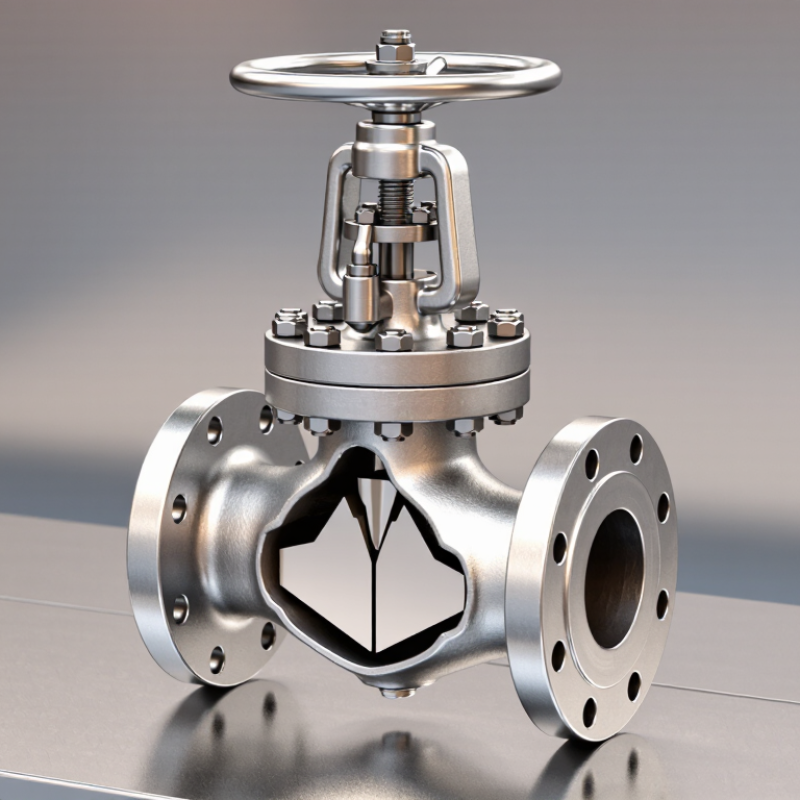
DHV Gate Valve: Definition and Core Function
A DHV gate valve is a shutoff valve designed to control the full flow of liquid or gas through a pipeline. In operation, a flat gate or wedge moves vertically inside the valve body. When fully raised, it creates a nearly straight passage with low resistance. When fully lowered, it blocks the line tightly. The valve is not normally intended for flow regulation. Partial opening can cause vibration, seat wear, and unwanted turbulence.
The term DHV is not a universal valve classification. Its meaning may differ between technical drawings, suppliers, and industries. In many applications, it identifies a specific gate-valve design rather than a separate operating principle. The valve may use a wedge gate, parallel gate, rising stem, or non-rising stem. Check the nameplate, pressure rating, connection standard, and sectional drawing before installation. Labels alone are not enough.
In practical service, operators usually open the valve slowly by turning the handwheel. A clear position indicator helps confirm whether the gate is fully open or closed. I have found that small alignment errors can create large maintenance problems later. The body should match the pipe material and working temperature. Seals also need inspection after repeated cycling. This is where assumptions fail. A DHV gate valve can look suitable, yet still require a different seat, stem length, or pressure class.
What Is a DHV Gate Valve and What Type Is It? — DHV Gate Valve: Definition and Core Function
| Data Dimension | Definition or Specification | Core Information |
|---|---|---|
| Product Category | Industrial isolation valve | A DHV gate valve is generally understood as a gate-type valve designed to start or stop fluid flow by moving a gate through the flow passage. |
| Valve Type | Gate valve | It is an isolation valve rather than a regulating valve. It is intended to operate mainly in fully open or fully closed positions. |
| Core Function | On-off flow control | When fully open, the gate is lifted clear of the flow path to provide a relatively straight passage. When fully closed, the gate blocks the passage and isolates the downstream section. |
| Closing Element | Wedge or parallel gate | Common gate designs include solid wedge, flexible wedge, split wedge, and parallel-slide arrangements. The selection depends on pressure, temperature, fluid, and sealing requirements. |
| Stem Arrangement | Rising or non-rising stem | A rising stem visibly moves upward as the valve opens. A non-rising stem remains at a relatively fixed external height and is useful where installation space is limited. |
| Operation | Multi-turn manual or automated actuation | Manual handwheels, electric actuators, pneumatic actuators, or hydraulic actuators may be used. The stem moves the gate vertically or through a guided linear motion. |
| Flow Direction | Typically bidirectional | Many gate valves can isolate flow in either direction, although the final selection must follow the valve design, seat arrangement, and installation instructions. |
| Pressure Drop When Open | Generally low | A fully open gate valve normally offers low resistance because the gate is removed from most of the flow path. Actual pressure loss depends on bore geometry, size, and operating conditions. |
| Throttling Suitability | Not recommended for continuous throttling | Partial opening can cause vibration, turbulence, noise, and accelerated wear. A globe valve, control valve, or other regulating valve is usually more suitable for flow adjustment. |
| Typical Body Materials | Metallic or corrosion-resistant materials | Common choices include carbon steel, stainless steel, ductile iron, cast iron, and suitable alloy materials. Material selection must match the fluid, temperature, pressure, and corrosion conditions. |
| Sealing Components | Seats, gate, stem packing, and body joint | The seats and gate provide internal shutoff, while packing helps limit leakage around the stem. Body gaskets or pressure-seal joints help prevent external leakage. |
| Common Applications | Pipelines and process systems | Typical applications include water transmission, wastewater systems, oil and gas pipelines, power facilities, chemical processing, and general industrial piping. |
| Key Advantages | Low flow resistance and effective isolation | Advantages may include a full-bore flow path, relatively low pressure loss when open, suitability for large pipelines, and the ability to isolate sections of a system. |
| Main Limitations | Slow operation and unsuitable throttling behavior | Gate valves require multiple turns, may occupy significant vertical space, and can suffer seat or gate damage if operated for prolonged periods in a partially open position. |
| Selection Factors | Service and installation requirements | Important factors include nominal pipe size, pressure class, temperature, fluid compatibility, end connection, seat material, stem arrangement, actuator type, installation orientation, and required shutoff performance. |
| Maintenance Focus | Inspection, packing adjustment, and functional testing | Maintenance commonly includes checking external leakage, inspecting the stem and packing, exercising the valve periodically, verifying full travel, and confirming that the valve reaches the required shutoff position. |
| Primary Role in a System | Pipeline isolation and sectional shutdown | The valve allows operators to isolate equipment, pipeline sections, tanks, pumps, or process units for maintenance, emergency response, inspection, and operational control. |
Related Posts
-
Top 10 Benefits of Using DHV Gate Valve in Industrial Applications?
-
Top 10 Benefits of Using DHV Gate Valves for Efficient Pipeline Management
-
2026 Top Types of 4 Gate Valve to Consider for Your Projects?
-
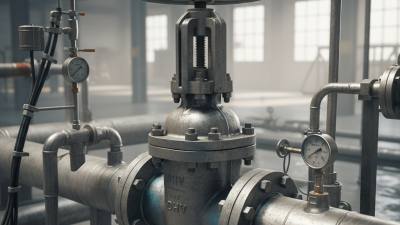
What is a DHV Gate Valve and How Does it Work?
-
Why Choose a Gate Valve: Benefits and Applications in Modern Plumbing Systems
-
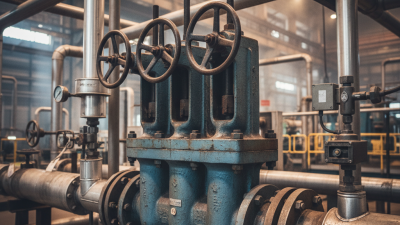
Why Choose a 4 Gate Valve for Your Industrial Applications?