2026 Best Valve Steel Suppliers for Global Buyers?

Global valve projects depend on more than price. They depend on traceable materials, stable machining, and delivery dates that hold. The World Steel Association’s World Steel in Figures 2024 reports 1,892.2 million tonnes of crude steel production in 2023. That figure describes the wider supply base, not the availability of every valve steel grade. Buyers still need to verify the actual material, heat-treatment route, and test records behind each quotation.

Small details matter. A heat number should match the inspection documents. A test certificate should identify the grade and relevant mechanical results. For pressure-service components, buyers should also confirm that the supplier can meet the project’s specified standards and inspection requirements. These checks help compare suppliers on evidence rather than polished catalogs. They do not remove every risk.

This guide examines supplier capability, product range, quality documentation, export experience, and communication for global buyers in 2026. It treats supplier rankings as a starting point, not a guarantee. Some useful information may be difficult to verify publicly, and that limitation deserves attention. A strong shortlist can still miss a late shipment, a weak response, or a grade mismatch. Ask specific questions. Then check the answers against project requirements before placing an order.
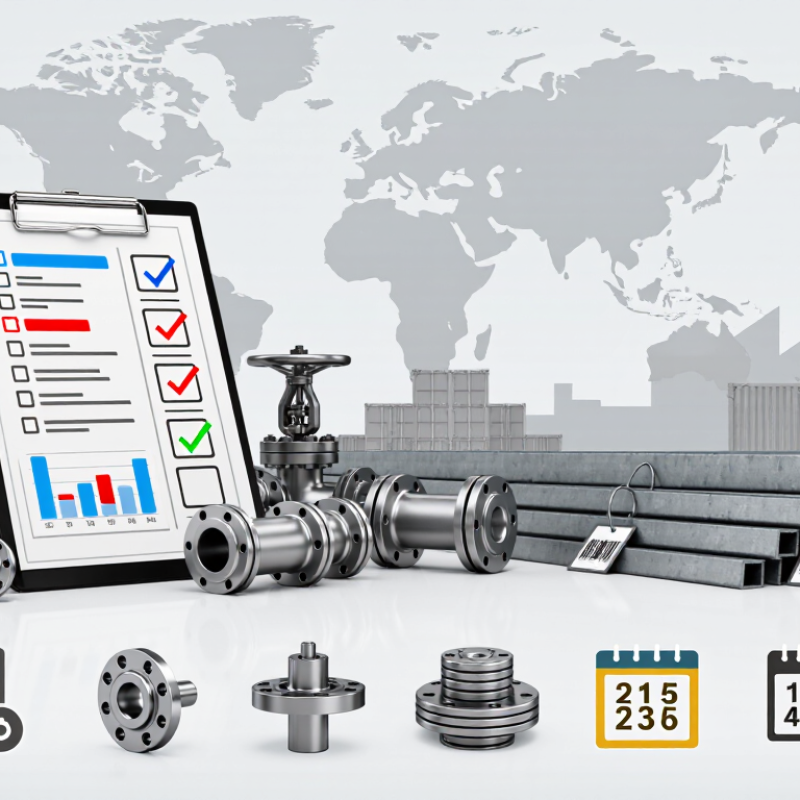
2026 Best Valve Steel Suppliers for Global Buyers?

What Valve Steel Is and Where It Is Used

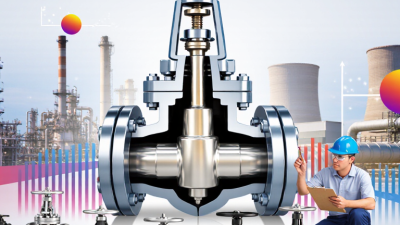
Valve steel is not one fixed alloy. The term covers steels chosen for valve bodies, stems, discs, seats, and springs. Carbon and low-alloy steels are common in pipelines and power systems, where pressure and temperature matter. Stainless grades suit many corrosive services, including chemical processing and water treatment. The right choice depends on the fluid, operating temperature, pressure, and expected wear. Small details matter. A stem and body may need different properties, even within one valve assembly.

World Steel Association’s World Steel in Figures 2025 reports 1,882.6 million tonnes of crude steel production in 2024. That figure shows steel’s industrial scale, but does not measure valve-steel demand. The IEA’s Global Energy Review 2025 reports that electricity demand rose 4.3% in 2024, a useful indicator of activity in power infrastructure—not a direct forecast for valve materials. In service, a steam-line valve may face heat cycling, while a water-treatment valve may face corrosion and deposits. Grade names alone are not enough. Buyers should verify material certificates, heat treatment, and compatibility with the actual operating conditions; specifications can still miss a harsh start-up or an unexpected change in fluid.

Key Valve Steel Grades and International Standards

Valve steel selection begins with service conditions, not a catalog label. Temperature, pressure, fluid chemistry, and start-stop cycles all affect grade choice. For cast carbon-steel bodies, ASTM A216 WCB is common in moderate-temperature service. Forged components may use ASTM A105, while low-temperature castings often specify ASTM A352 LCB or LCC. Similar names do not mean identical products.

Stainless options need equally careful matching. ASTM A351 CF8 and CF8M are cast grades broadly associated with 304-type and 316-type stainless steel; forged counterparts are commonly specified under ASTM A182 as F304 and F316. Duplex grades, such as A995 4A castings or A182 F51 forgings, may suit chloride-bearing environments. Actual performance still depends on temperature and chemistry. Details matter.

International standards define more than chemical composition. ASME B16.34 covers valve design requirements and pressure-temperature ratings; EN 10213 and EN 10222 address cast and forged steel products for pressure purposes. Buyers should confirm the applicable edition, product form, heat treatment, and testing requirements. A heat number should link each component to its inspection records. A grade name alone is not enough, and paperwork may not reveal every service-specific risk. State corrosion limits and impact-test needs clearly before ordering.

2026 Best Valve Steel Suppliers for Global Buyers? - Key Valve Steel Grades and International Standards
Material specification and grade Material type Typical valve application Relevant standards Buyer checks
ASTM A216 WCB / WCC Carbon-steel castings for pressure-containing parts Common choice for general-purpose industrial valves in moderate-temperature service; confirm suitability against the design pressure and temperature. ASTM A216; ASME B16.34 for applicable valve pressure-temperature ratings; API 600 or API 6D where the valve type and project require them. Verify grade, heat number traceability, chemical and mechanical test reports, casting examination requirements, and the specified heat treatment.
ASTM A352 LCB / LCC Low-temperature carbon-steel castings Cast pressure-containing valve parts for low-temperature applications when the specified grade and impact-test requirements are met. ASTM A352; ASME B16.34 for applicable valve design ratings; project specifications govern impact testing and minimum design temperature. Confirm the required test temperature, impact-test results, material grade, and any supplementary requirements in the purchase specification.
ASTM A217 WC6 / WC9 Chromium-molybdenum alloy-steel castings for elevated-temperature service Pressure-containing cast valve components for specified high-temperature duties; the alloy grade should be selected for the service conditions. ASTM A217; ASME B16.34 for applicable valve pressure-temperature ratings; API product standards may apply according to valve type. Check grade-specific chemistry, heat treatment, mechanical properties, traceability, and any required post-weld heat treatment provisions.
ASTM A351 CF8 / CF8M / CF3M Austenitic stainless-steel castings for pressure-containing parts Corrosion-resistant cast valve bodies and components. CF8M and CF3M are molybdenum-bearing grades; CF3M is the low-carbon grade. ASTM A351; ASME B16.34 for applicable valve pressure-temperature ratings; API 609 may apply to butterfly valves where specified. Specify the exact grade rather than relying on a generic stainless designation; review chemistry, heat treatment, corrosion requirements, and test documentation.
ASTM A995 Grade 4A / 5A Duplex and super-duplex stainless-steel castings for pressure-containing parts Cast valve components for demanding corrosive environments when supported by application-specific material selection and qualification. ASTM A995; ASME B16.34 for applicable valve pressure-temperature ratings; ISO 15156 may be relevant to material selection in H₂S-containing environments. Confirm grade, heat treatment, ferrite or phase-balance requirements if specified, corrosion testing where required, and sour-service compliance when applicable.
ASTM A182 F11 / F22 Alloy-steel forgings for pressure-containing components Forged valve bodies, bonnets, and other pressure parts for specified service conditions; these are forging grades, not casting grades. ASTM A182; ASME B16.34 for applicable valve design ratings; ASME B16.5 may apply to flanges where specified. Check forging grade, heat treatment, mechanical test results, product form, and dimensional and inspection requirements.
ASTM A182 F304 / F316 / F316L Austenitic stainless-steel forgings Forged valve pressure parts and flanged components for corrosion-resistant applications, subject to compatibility with the process fluid. ASTM A182; ASME B16.34 for applicable valve design ratings; ASME B16.5 for flanges where specified. Confirm the exact grade and product form, traceability, heat treatment, and any project-specific corrosion or inspection requirements.
Applicable valve design and product standards Design, construction, testing, and dimensional requirements Select standards according to valve type, end connections, pressure class, service, and project requirements; a material specification alone does not define a complete valve. ASME B16.34 (valves); API 600 (steel gate valves); API 602 (compact steel gate, globe, and check valves); API 608 (metal ball valves); API 6D (pipeline valves), where applicable. Agree on the governing standard and edition, pressure class, inspection and test requirements, marking, documentation, and permitted material alternatives before ordering.

Note: Grade suitability depends on the complete design and service conditions. Confirm the applicable standard editions, material form, temperature limits, pressure ratings, and project-specific requirements with the responsible engineer and supplier.

How to Assess Valve Steel Suppliers in 2026

Assess a valve steel supplier by the evidence behind each shipment, not by a polished catalogue. Request heat-specific material test certificates showing chemical composition, mechanical properties, and heat-treatment condition. Match the certificate number to the marking on the bar or forged component. Ask how the supplier controls grade substitution and preserves traceability after cutting. Small details matter: a missing heat number can delay inspection or make a batch difficult to verify.

Capacity and market pressure also deserve attention. The World Steel Association’s October 2024 Short Range Outlook projected global steel demand at 1,751 million tonnes in 2024 and 1,772 million tonnes in 2025. Those figures describe the wider market, not any supplier’s reliability. Use them as context, then check actual lead-time history, stock records, and contingency plans. Ask for recent delivery performance, rather than accepting a standard lead-time promise. Paperwork matters.

Technical fit must be specific to the valve’s service conditions. Confirm the grade, temperature range, pressure requirements, and corrosion exposure with your design or quality team. Request independent inspection where the application warrants it, and review how nonconformities are documented and resolved. A sample certificate is useful, but it cannot prove that every delivered heat will match. I would also ask for one recent, anonymized inspection record. It may reveal gaps that a supplier questionnaire misses. Perfect documentation is rare; clear, consistent records are the better test.

Regional Supplier Capabilities and Market Factors

Valve steel suppliers differ not only in price, but in how well their regional networks support production and delivery. Some manufacturing regions offer broad forging capacity and established export routes; others may provide closer technical support or shorter shipping distances. These are tendencies, not guarantees. Buyers should verify the actual mill source, steel grade, heat-treatment records, and inspection documents for each order. Ask how the supplier handles a delayed shipment or a rejected test result. Specific answers matter.

Market conditions can quickly change a good quotation. Energy costs, alloy availability, exchange rates, freight capacity, and port congestion all affect lead times and landed cost. Compare quotations using the same valve component, material specification, testing scope, and delivery terms. A low unit price may exclude inspection or suitable packing. Look closely. Regional supplier scores can help, but they may hide differences between individual factories and trading offices. Review recent quality records, request traceable test documentation, and confirm production capacity before committing. Even careful checks cannot remove every delay; a realistic buffer is often more useful than an optimistic promise.

How Global Buyers Verify and Select Suppliers

A valve-steel supplier should be judged by traceable evidence, not a polished catalog. Ask for mill test certificates that match the quoted grade, heat number, and delivered batch. Then check whether inspection records identify the same material. A mismatch deserves an explanation before purchase.

Ask for proof. Review chemical composition and mechanical test results, and confirm the stated standard and revision. For critical service, examine heat-treatment records, non-destructive testing reports, and acceptance criteria. Request a sample document set before placing a large order. It can reveal gaps early.

Paperwork is only part of the assessment. Speak with the quality team about how they handle rejected batches, corrective actions, and changing specifications. If possible, arrange an independent audit or witness inspection; verify its scope and date. Check production capacity against your required dimensions and delivery schedule, not just a supplier’s headline output. Packaging matters too: steel components can arrive wet, scratched, or poorly identified after a long shipment.

A video call can show the workshop, but it cannot prove every process. Cross-check certificates with the issuing laboratory or inspection body when appropriate. Keep the process practical: compare a few qualified suppliers using the same checklist. Buyers sometimes focus too heavily on price. I have seen small document gaps become delays, though a checklist will not catch everything. That limitation is worth remembering.

×
img

    Contact Info

    Phone number

    661-392-8948

    Address info

    3451 Pegasus Drive, Bakersfield, CA USA