
Why Choose Steel Valves for Industrial Use?

Industrial systems rarely fail in dramatic ways at first. A small leak may appear around a flange, or a valve may turn less smoothly during a cold morning inspection. These details matter. Choosing steel valves can help plants manage pressure, temperature, corrosion, and repeated operation with greater confidence.

Steel valves are widely used in oil and gas facilities, power plants, water treatment systems, and process manufacturing. Their strength supports demanding service conditions, while stainless steel grades can improve resistance to moisture and selected chemicals. However, material selection should never rely on strength alone. Engineers must review pressure ratings, temperature limits, fluid compatibility, connection type, and applicable industry standards. A reliable supplier should provide traceable material information, test records, and clear maintenance guidance.

Field experience also shows that no valve material is perfect. Carbon steel may require protective coatings in corrosive environments. Stainless steel can perform well, but its higher cost may not suit every application. Poor installation can damage even a well-designed valve. For this reason, this article examines why steel valves remain a practical choice, where they perform best, and what limitations deserve careful attention. The discussion focuses on evidence-based selection rather than simple claims. Small decisions matter. A correctly specified valve can reduce unplanned downtime, simplify inspections, and protect the wider system. Yet operators should still reassess performance over time, because real process conditions may differ from the original design assumptions.
Why Choose Steel Valves for Industrial Use?

What Are Steel Valves and How Do They Work?

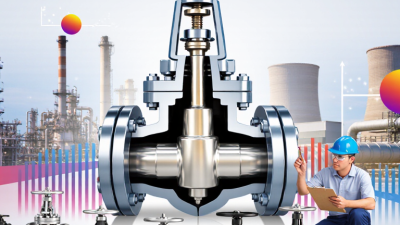
Steel valves are pressure-control devices used to start, stop, or regulate industrial flow. Their bodies contain a passage, while gates, balls, discs, or plugs move across it. An actuator turns or pushes the valve element. When closed, the element presses against a seat and limits fluid movement. When open, the passage aligns with the pipeline. Pressure, temperature, and fluid chemistry determine whether the valve performs safely.

Grand View Research’s 2024 Industrial Valves Market report valued the global market at about $78.3 billion in 2023. It also projected roughly 4.5% annual growth through 2030. Steel remains common because carbon steel provides strong mechanical support under demanding pressure. Stainless steel offers better resistance in many wet or chemically active services. Not every service. Alloy selection still matters.

The IMPACT corrosion study estimated annual corrosion costs near $2.5 trillion, equal to about 3.4% of global economic output. That figure explains why valve selection cannot stop at body material. Engineers must check trim, seals, coatings, weld quality, and temperature cycling. During plant inspections, small details matter. A stem may leak after poor alignment. A seat may deform after repeated thermal shocks. Steel is not automatically the best choice, and that assumption deserves careful review.

Which Steel Valve Types Suit Different Industrial Applications?

Steel valves suit industrial service because they tolerate pressure, heat, vibration, and demanding operating cycles. Yet valve selection depends on the process, not appearance.

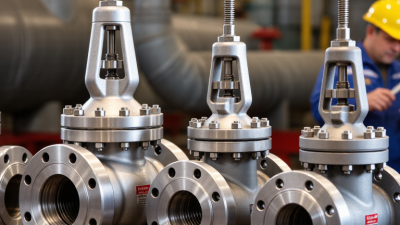
Gate valves work well for pipelines requiring full flow and infrequent isolation. Their straight passage reduces pressure loss.

Globe valves provide better throttling control in steam, water, and fuel systems. They create more resistance, but operators gain finer adjustment.

Ball valves deliver quick shutoff for gases, chemicals, and compressed air. Their compact design helps in crowded pipe racks.

Butterfly valves are practical for large-diameter water, cooling, and ventilation lines. They weigh less than many flanged alternatives.

Check valves stop reverse flow in pumps, discharge lines, and treatment systems.

Needle valves support precise flow control in instrument connections.

Material choice matters as much as valve type. Carbon steel handles many general industrial duties. Stainless steel resists corrosion from moisture and selected chemicals. Alloy steel may suit higher temperatures or severe pressure conditions.

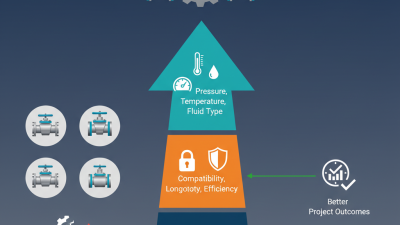
Always compare the valve material with the medium, temperature, pressure class, and connection standard. A common mistake is choosing a stronger valve without checking chemical compatibility. Strength alone is not enough.

I have seen maintenance teams overlook access space around handwheels and actuators. That small error can delay isolation during repairs.

Manual inspection, pressure testing, and clear service records improve reliability, although no valve remains maintenance-free.

How Do Steel Valves Perform Under Extreme Conditions?

Steel valves are selected for industrial systems because they tolerate pressure, heat, and mechanical stress. Their performance depends on the steel grade, wall thickness, and connection design. Carbon steel suits many high-pressure services, while stainless or alloy steel handles harsher fluids and temperatures. The wrong grade can fail quietly.

Extreme conditions expose every weakness. During thermal cycling, a valve body expands and contracts repeatedly. This movement can loosen bolts, damage seats, or distort seals. In cold service, moisture may freeze around the stem. In high-temperature lines, packing can harden and leak. Proper material certificates, pressure testing, and controlled installation reduce these risks. Still, testing cannot imitate every field condition.

Erosion is another concern. Fast-moving particles can wear the inner seat and create uneven closing. Cavitation may cause sharp pitting, noise, and vibration. Operators should monitor pressure drops, valve torque, and surface temperature. Periodic inspections should include stem alignment and flange leakage. Small changes matter. A slightly stiff handwheel deserves attention, not force. Steel valves are strong, but they are not invincible. In practice, maintenance records are sometimes incomplete, and that weakens otherwise careful engineering decisions.

Why Choose Steel Valves for Industrial Use? - How Do Steel Valves Perform Under Extreme Conditions?

Representative steel valve materials and performance characteristics under demanding industrial conditions
Steel Valve Material Typical Standards / Grades Common Pressure Classes Typical Temperature Capability Performance Under Extreme Conditions Common Industrial Applications Important Considerations
Carbon Steel ASTM A216 WCB cast steel; ASTM A105 forged steel Typically Class 150–600; higher classes are available for suitable designs Approximately −29°C to 425°C (−20°F to 800°F), depending on grade, pressure and trim Provides high mechanical strength and good resistance to pressure, vibration and thermal cycling in general industrial service. Oil and gas, water treatment, power generation, pipelines and process systems Requires corrosion protection or suitable internal materials in wet, acidic, salty or chemically aggressive environments.
Low-Temperature Carbon Steel ASTM A352 LCC; ASTM A350 LF2 forged steel Commonly Class 150–600, subject to the applicable pressure-temperature rating Often specified for temperatures down to approximately −46°C (−50°F), subject to impact-test requirements Maintains better toughness than standard carbon steel at sub-zero temperatures, reducing the risk of brittle fracture. LNG support systems, refrigerated hydrocarbons, outdoor pipelines and cold-weather facilities Material impact testing, weld procedures and low-temperature sealing performance must be verified for the service.
Austenitic Stainless Steel ASTM A351 CF8M; ASTM A182 F316/F316L Commonly Class 150–600; higher ratings depend on valve design and material combination Can support cryogenic service and elevated temperatures; exact limits depend on pressure, fluid and valve construction Offers strong corrosion resistance and good toughness across a broad temperature range, including many chloride-free and hygienic services. Chemical processing, food and beverage, pharmaceutical, marine and cryogenic systems Pitting and stress-corrosion cracking can still occur in concentrated chlorides or at elevated temperatures.
Chrome-Moly Alloy Steel ASTM A217 WC6/WC9; ASTM A182 F11/F22 Frequently used in Class 600–2500 high-pressure systems Suitable for high-temperature service, with grade-specific limits commonly reaching approximately 540–590°C (1,004–1,094°F) Retains strength and creep resistance better than ordinary carbon steel in high-pressure steam and elevated-temperature applications. Power plants, superheated steam, boiler systems, refineries and high-temperature process lines Requires controlled welding, post-weld heat treatment where specified, and inspection for long-term creep and fatigue service.
Duplex Stainless Steel ASTM A995 CD3MN; ASTM A182 F51/F60 Commonly Class 150–600; higher ratings require application-specific engineering Generally used from sub-zero temperatures to approximately 280–300°C (536–572°F), depending on grade and exposure time Combines high strength with strong resistance to chloride pitting, crevice corrosion and stress-corrosion cracking. Seawater, desalination, offshore production, chemical processing and high-chloride services Excessive heat input or prolonged exposure to high temperatures can reduce corrosion resistance and toughness.
Hardened Alloy Steel Trim Stainless, nickel-alloy or hardfaced trims selected for the fluid service Available across standard ASME pressure classes, including high-pressure designs Temperature capability is determined by the body, trim, seat, packing and pressure rating as a complete assembly Improves resistance to erosion, abrasion, cavitation and corrosive flow when the trim is correctly matched to the process fluid. Slurry lines, throttling service, high-velocity fluids and abrasive process streams The trim does not eliminate the need to evaluate flashing, cavitation, velocity, particulate loading and seat compatibility.
Engineering note: Temperature ranges and pressure classes are representative selection ranges, not universal operating limits. Final valve selection should be based on the applicable ASME/API/ASTM requirements, pressure-temperature ratings, fluid compatibility, sealing materials, corrosion allowance and inspection specifications.

What Benefits Make Steel Valves a Reliable Industrial Choice?

Steel valves remain a dependable choice for demanding industrial service because they combine strength, stability, and predictable performance. In a processing plant, a valve may face high pressure, vibration, heat, and repeated cycling. Properly selected steel can tolerate these conditions without deforming easily. This protects flow control and reduces unexpected shutdowns.

The benefits become clearer during maintenance. Steel valves usually provide a rigid body, secure connections, and good resistance to mechanical impact. Technicians can inspect casting surfaces, bolt areas, stems, and sealing components with practical tools. Pressure testing and material certificates also support traceability.

A valve is not reliable because it looks heavy. Its grade, wall thickness, pressure rating, and installation quality must match the service conditions.

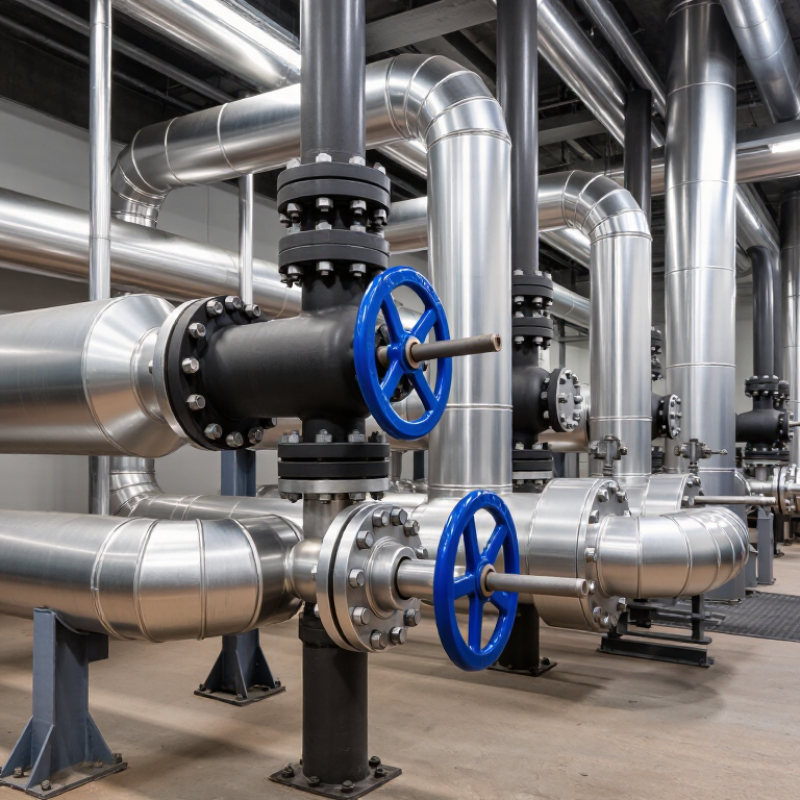
Steel is not flawless. Moisture, aggressive chemicals, and poor coating practices can still cause corrosion. I have seen small surface damage become a larger maintenance concern when inspections were delayed. Regular checks help reveal leakage, rust, worn packing, or abnormal operating torque before failure develops. In some environments, stainless steel or a protective treatment may be more suitable than standard carbon steel. Engineers should review temperature, fluid chemistry, flow speed, and maintenance access before choosing a design. Small details matter. Even a durable valve can perform poorly when installed without alignment or operated beyond its rated limits.

How Should Steel Valves Be Selected and Maintained?

Selecting steel valves starts with the process, not the purchase price. Identify the fluid, temperature, pressure, flow rate, and operating frequency. A valve for hot steam needs different trim from one handling chlorides. Check pressure-temperature ratings against recognized engineering standards. Confirm the body, seat, stem, and seals suit the medium. Carbon steel may serve dry service, while stainless steel can resist many corrosive environments. It is not universal.

Choose the valve type by duty. Gate valves suit isolation, while globe valves provide better throttling control. Ball valves offer quick shutoff, but dirty fluids can damage seats. Consider end connections, actuator torque, installation space, and failure position. Request material certificates, pressure-test records, and traceable inspection documents. Small omissions matter. A detailed specification can still miss a real operating condition.

Maintenance should follow risk and service history. Inspect for external corrosion, packing leaks, vibration, and unusual temperature. Operate manual valves periodically when the process allows it. Clean upstream strainers, because debris can score sealing surfaces. Never force a stiff handwheel; investigate the cause first. Isolate, depressurize, and verify zero energy before service. Record inspection dates, leak rates, repairs, and replaced parts. Field checks often expose assumptions that drawings miss. A valve may pass a bench test yet fail after poor alignment. Review the plan when failures repeat, rather than simply tightening everything again.

×
img

    Contact Info

    Phone number

    661-392-8948

    Address info

    3451 Pegasus Drive, Bakersfield, CA USA