 (780) 669-9420

China Top Single Valve Manufacturers for Global Buyers?
Choosing a Chinese single valve manufacturer is not just a price comparison. Buyers must match valve design, materials, pressure ratings, and connection types to the actual service conditions. A valve installed on a clean-water line may face very different demands from one used in a high-temperature process. Details matter.
This guide introduces manufacturers serving international markets and explains what buyers should check before requesting quotations. Useful evidence includes product drawings, material records, pressure-test reports, and clear quality-control procedures. Ask how the factory handles inspection, packaging, spare parts, and delivery changes. These practical questions can reveal more than a polished product catalog. Not every supplier is the right fit.
“Top” depends on the project. A large export history may be reassuring, but it cannot replace a review of the specific model and its documentation. Buyers should confirm that stated certifications apply to the products being offered, then assess communication, customization capability, and after-sales support. Where possible, request a sample or arrange an independent inspection. It takes time.
The comparisons that follow are intended as a starting point, not a guarantee of performance. Company information and product ranges can change, and published claims should be checked directly with each manufacturer. That extra step may feel inconvenient. It is still worthwhile. A careful shortlist can help global buyers find a single valve partner that fits technical needs, budget, and delivery expectations without relying on broad promises alone.
What Single-Valve Products Include and Where They Are Used
China Top Single Valve Manufacturers for Global Buyers?
What Single-Valve Products Include and Where They Are Used
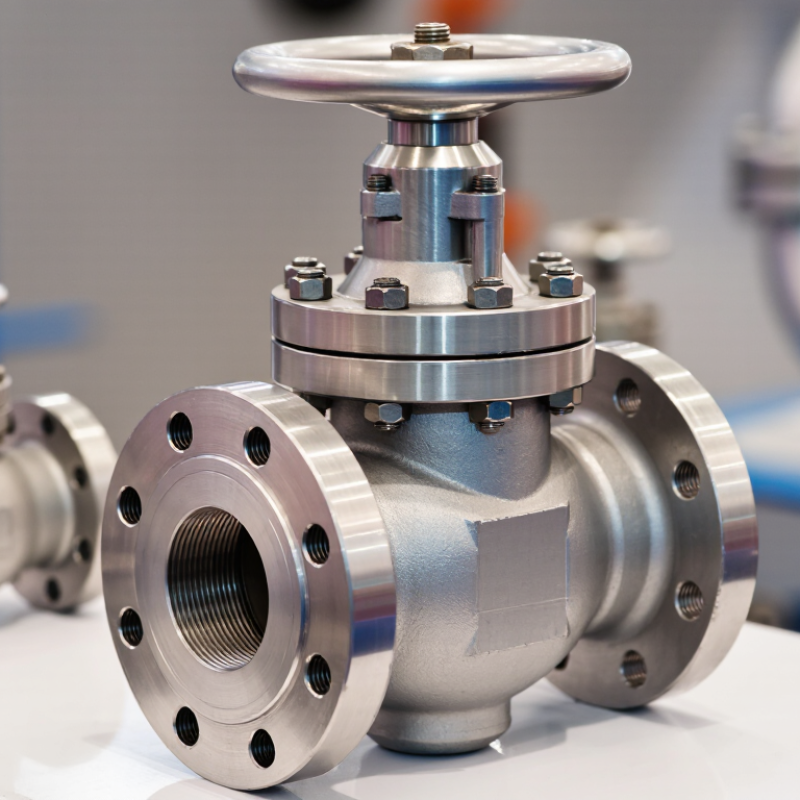
Single-valve products include several designs for different flow-control tasks. Ball valves use a rotating ball and provide quick shutoff in water lines, compressed-air systems, and process piping. Gate valves create a wide passage for mostly full-open or full-closed service. Globe valves allow more precise throttling, but can cause greater pressure loss. Butterfly valves are compact and often used in larger HVAC and water-treatment pipes. Check valves help prevent reverse flow near pumps.
Material, pressure rating, connection type, and fluid temperature matter as much as valve style. Stainless steel may suit corrosive or hygienic duties, while ductile iron is common in water networks. A material label alone does not confirm suitability. Compare specifications with the actual fluid, operating pressure, temperature range, and maintenance conditions. A valve that looks right on a drawing may perform poorly if sizing or installation is overlooked.
Tips: Identify whether the valve is for isolation, throttling, or backflow prevention before requesting quotations. Ask for test records and dimensional drawings, then check the connections against the piping specification. Small detail, big difference. This review can feel tedious, and mismatches are easy to miss when schedules are tight.
| Valve product | Main function | Typical applications | Common construction options | Selection consideration |
|---|---|---|---|---|
| Ball valve | Quarter-turn on/off isolation; some designs support limited flow adjustment. | Water, general industrial piping, fuel-gas service, and process lines. | Common body materials include brass, stainless steel, and carbon steel; seats are selected for the service conditions. | Check media compatibility, pressure and temperature ratings, seat material, and whether full-bore flow is required. |
| Gate valve | Provides on/off isolation with a gate that moves out of the flow path when fully open. | Water distribution, utility piping, and other services where the valve is normally fully open or fully closed. | Available in metal body designs, with different trim and end-connection options. | Generally not intended for routine throttling; allow space for the stem and operating mechanism. |
| Globe valve | Shuts off flow and is commonly used to regulate or throttle flow. | Steam, cooling water, and process lines requiring frequent flow adjustment. | Metal bodies and a range of trim materials are selected according to the fluid and operating conditions. | Consider pressure drop, flow direction, control accuracy, and operating frequency. |
| Butterfly valve | Quarter-turn isolation or flow control using a rotating disc. | Water and wastewater systems, HVAC, and large-diameter utility piping. | Common configurations include resilient-seated and high-performance designs, with body and disc materials suited to the service. | Review pressure and temperature limits, seat compatibility, disc clearance, and required shutoff performance. |
| Check valve | Allows flow in the intended direction and helps prevent reverse flow automatically. | Pump discharge lines, water systems, and process piping where backflow must be limited. | Swing, lift, and other designs are available in materials selected for the piping system. | Consider installation orientation, cracking pressure, flow velocity, and the risk of water hammer. |
| Plug valve | Quarter-turn isolation using a rotating plug; some designs are suited to diverting flow. | Industrial process lines, utility services, and selected slurry or gas applications depending on design. | Lubricated and non-lubricated designs are available, with body and sealing materials chosen for the media. | Confirm the sealing design, operating torque, media suitability, and maintenance requirements. |
| Needle valve | Provides fine adjustment of relatively small flow rates. | Instrument lines, sampling systems, and laboratory or equipment connections. | Often supplied in stainless steel or other compatible metals, with small-bore connection options. | Check the required flow range, connection type, pressure rating, and fluid cleanliness. |
| Diaphragm valve | Uses a flexible diaphragm to isolate the operating mechanism from the process fluid. | Water treatment, chemical handling, and hygienic processes where the design and materials are appropriate. | Available with different body linings and diaphragm elastomers or polymers for specific services. | Verify chemical compatibility, temperature limits, diaphragm life, and cleaning requirements. |
| Pressure-reducing valve | Reduces and helps maintain downstream pressure within the device’s operating range. | Building water services, compressed-air systems, and selected steam or process applications. | Direct-acting and pilot-operated designs are available for different flow and control requirements. | Specify inlet pressure, desired outlet pressure, flow demand, media, and any required strainer or relief protection. |
Related Posts
-
Understanding Single Valve Systems: The Key to Efficient Fluid Control in Modern Engineering
-
Exploring the Advantages of Single Valve Systems for Efficient Fluid Control
-
2026 Top Gate Valve Types for Your Industrial Applications?
-
What is a Gate Valve and How Does it Work?
-

Top 10 Benefits of Cast Steel Valves for Industrial Applications
-
Apa Itu Gate Valve 7 Tips for Global Buyers?