Blog
- Home
- Blog
7 Best T Valve Suppliers for Global Buyers?
Choosing a reliable t valve supplier can affect flow control, maintenance costs, and production continuity. Small fitting errors may cause leaks, pressure loss, or delayed installation.
This guide examines seven leading t valve suppliers for global buyers. It focuses on practical buying evidence, not attractive catalogs alone. Each supplier is considered through product range, material quality, pressure ratings, connection standards, and customization capability. We also look at factory experience, inspection procedures, documentation, and after-sales support. These details matter when a valve must operate inside a compact chemical line, a food-processing system, or a demanding industrial assembly.
Real purchasing work is rarely perfect. A supplier may offer excellent machining but limited stock. Another may provide fast delivery but weaker technical communication. Buyers should compare samples, drawings, test reports, and traceability records before placing large orders. Confirm thread dimensions carefully. A tiny mismatch can stop an entire installation.
The selected companies are assessed for consistent manufacturing, responsive communication, and credible quality controls. Where information is incomplete, that limitation should remain visible. No supplier deserves automatic trust. Buyers should verify certifications, sealing materials, operating temperatures, and warranty terms for their own application. This review is a practical starting point, not a substitute for engineering validation. It aims to help purchasing teams ask better questions, reduce avoidable risks, and identify a t valve partner that can support stable international supply.
What Is a T Valve and Where Is It Used?
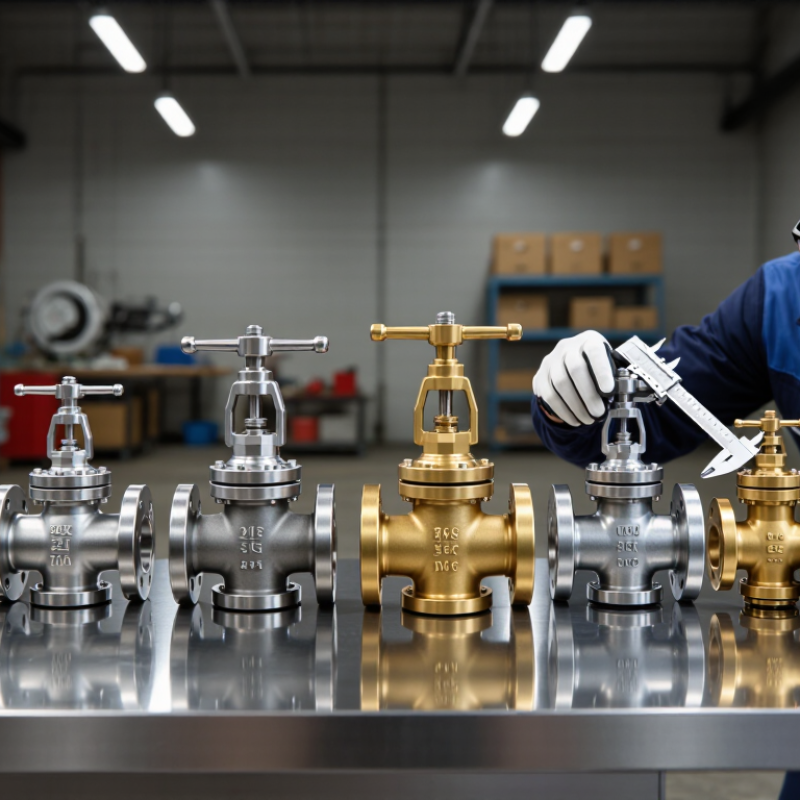
A T valve is a three-port device used to control, divide, or combine fluid flow. Its shape resembles the letter T. One port usually serves as the inlet, while the other two direct flow toward separate lines. Some designs allow one outlet to close, creating basic flow control.
T valves appear in clean water systems, irrigation networks, compressed-air equipment, and industrial piping. In a workshop, one branch may supply a pressure gauge while another feeds a machine. In irrigation, the valve can divide water between two zones. The application determines the correct body material, seal type, pressure rating, and connection size.
For global buyers, checking specifications matters more than judging appearance. Confirm the working pressure, temperature range, port dimensions, and flow direction. Thread standards can differ between markets. A supplier should provide clear drawings, test records, and material information. This is easy to overlook. I would also check whether the valve suits the actual fluid, not just clean water. A chemically resistant seal may be essential in certain systems. Installation space deserves attention too. A compact T valve may look convenient, yet leave no room for maintenance. In practice, a small measurement error can delay an entire piping project. Independent inspection can add confidence, although it may not be necessary for every low-risk application.
Key Criteria for Evaluating Global T Valve Suppliers
7 Best T Valve Suppliers for Global Buyers
Choosing among the 7 best T valve suppliers requires more than comparing catalog prices. A reliable supplier should understand pressure, temperature, media compatibility, and connection standards. I usually request technical drawings before discussing large quantities. Small design differences can cause installation delays. Ask whether the valve body, seals, and actuator match the intended service conditions. Clear answers show practical engineering experience.
Quality evidence matters. Look for documented inspections, material certificates, pressure tests, and leak-test results. Factory quality systems should support batch traceability and controlled design changes. Ask for recent records, not promises. A supplier that welcomes audits usually understands accountability. Still, certificates alone are not enough. I have seen excellent paperwork fail to explain inconsistent production details. Sample testing remains necessary.
Global purchasing also depends on communication and delivery control. Evaluate response times, packaging methods, export documents, spare-part access, and technical support after shipment. Confirm production capacity during peak seasons. A low quotation can hide tooling charges, inspection fees, or costly delays. Compare total landed cost instead of unit price. Trial orders can reveal more than sales presentations. My own evaluations are not always perfect, especially when urgency influences judgment. That is why written specifications and measurable acceptance criteria should guide the final decision.
Key Criteria for Evaluating Global T Valve Suppliers
Reference buyer evaluation model based on common industrial valve sourcing priorities
Quality systems and certifications receive the highest weighting because they support consistent manufacturing and compliance. Pressure and temperature performance, material traceability, testing documentation, delivery capability, customization, and after-sales support should also be reviewed before supplier approval.
Profiles of Seven Leading T Valve Suppliers
Global buyers often compare T valve suppliers by more than price. Material control, machining accuracy, testing records, and communication can determine project reliability.
Supplier One focuses on stainless steel T valves for chemical and water systems. Its documented heat numbers help buyers trace each batch. Supplier Two serves oil, gas, and industrial equipment projects. It offers pressure testing reports, although response times should be checked before large orders. Supplier Three specializes in compact valves for food processing lines. Smooth internal surfaces support easier cleaning and reduce residue risks. This supplier appears technically capable, but its customization range may be limited.
Supplier Four provides brass and stainless steel options for plumbing distributors. Its broad size selection suits mixed inventory programs. Supplier Five builds high-pressure T valves for demanding process equipment. Buyers should verify temperature limits carefully, not rely only on catalog figures. Supplier Six supports private-label production and custom packaging. Sample approval is useful because small thread differences can create installation problems. Supplier Seven combines machining, assembly, and export documentation under one operation. Its production photographs offer practical evidence, yet photographs cannot replace independent inspection.
An experienced purchasing team should request drawings, material certificates, test procedures, and warranty terms. Ask how rejected parts are handled. That detail matters. One weakness remains common across the market: suppliers may describe tolerances differently. A written specification prevents expensive misunderstandings. On-site audits, video inspections, or third-party checks can strengthen confidence before shipment.
Comparing Product Quality, Certifications, and Pricing
Choosing among seven T valve suppliers requires more than comparing catalog prices. Product quality starts with the valve body, sealing surface, thread accuracy, and pressure rating. Ask for material certificates, dimensional drawings, and batch inspection records. A polished sample can hide inconsistent production.
During supplier audits, I check pressure-test reports and traceability codes first. These details reveal how seriously a factory controls risk. ISO 9001 certification can support process reliability, but it does not guarantee every valve is suitable for your system. Confirm testing standards, corrosion resistance, temperature limits, and connection compatibility. Request independent inspection when the application is critical. Small leaks become expensive quickly.
Pricing needs a wider view. Compare unit cost, minimum order quantity, tooling charges, packaging, freight, warranty terms, and replacement support. The cheapest quotation may use thinner walls or limited testing. That is not always obvious. A supplier with higher pricing may provide better documentation and fewer rejected shipments. Still, expensive does not automatically mean better.
I once treated certification as proof of quality and overlooked weak communication. That decision required extra sampling and delayed delivery.
Buyers should compare at least three samples under identical test conditions. Check whether certificates match the actual material and production site. Also review lead times during peak seasons, because quoted schedules can be optimistic. Reliable suppliers answer technical questions clearly, disclose limitations, and provide consistent records across orders.
How Global Buyers Can Select the Right T Valve Supplier
Selecting a T valve supplier starts with the application, not the catalog. Define the medium, pressure, temperature, flow direction, connection standard, and cycling frequency. A valve suitable for clean water may fail quickly in abrasive slurry. Confirm whether “T valve” means a three-way valve or a T-pattern configuration. Confusion here is surprisingly common.
Supplier quality should be checked through evidence. Request material certificates, pressure-test records, dimensional drawings, and serial-level traceability. ISO 5208 testing and relevant ASME or API requirements can provide a practical baseline. Grand View Research valued the global industrial valves market at approximately USD 78 billion in 2023, with continued growth expected through 2030. This expansion increases choice, but not necessarily consistency. Larger capacity is not proof of better engineering.
Compare seven suppliers using the same technical questionnaire. Review manufacturing controls, inspection equipment, spare-part support, and documented nonconformance procedures. Ask for realistic lead times, not optimistic promises. A factory audit, even through an independent inspector, can reveal weak calibration systems or outsourced critical processes. Total cost matters more than unit price. Freight, replacement seals, testing, downtime, and warranty handling may change the result. I have found that the lowest quotation often hides unclear exclusions. Still, audits are imperfect, and certificates can become outdated. Recheck them before every major purchase. Use pilot orders when service conditions are uncertain.
Related Posts
-
How to Choose the Best Ball Valves in 2026?
-

10 Essential Tips for Engineered Solutions in Modern Engineering Projects?
-
Top 10 Flow Valves What Should Global Buyers Know?
-
Discover the Best T Valve Options for Global Buyers?
-

10 Essential Tips for Maintaining Your Working Valve Efficiency?
-
Why Are Flow Valves Important for Fluid Control?

(780) 669-9420