Why Are Flow Valves Important for Fluid Control?

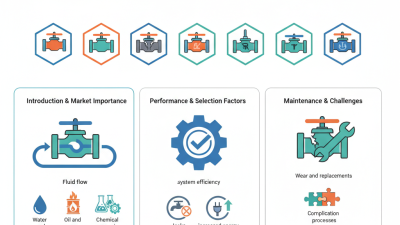
Flow valves are essential components in systems that move water, oil, air, chemicals, and other fluids. They regulate how much fluid passes through a pipeline at a given moment. A properly selected valve can stabilize pressure, protect equipment, and improve process consistency. Without accurate control, a pump may work harder, pipes may vibrate, and production quality may decline.

In practical settings, flow valves respond to changing operating conditions. For example, a control valve can reduce flow when a storage tank approaches its fill limit. A technician may adjust the valve while checking pressure gauges, temperature readings, and actuator movement. Small changes matter. Even a slight opening error can affect heat transfer, dosing accuracy, or downstream safety. These details explain why engineers consider valve size, body material, flow coefficient, pressure rating, and fluid compatibility before installation.

However, flow valves are not automatically reliable. Poor maintenance, incorrect sizing, or unsuitable materials can create leaks and unstable control. This point deserves attention. A valve that performs well with clean water may fail quickly in abrasive slurry. Regular inspections, calibrated instruments, and documented maintenance records support dependable operation. Industry standards and manufacturer data also provide valuable guidance, although they cannot replace site-specific testing. In my view, the most effective fluid-control strategy combines proven engineering with careful observation in the field. Operators should listen for unusual noise, watch for pressure fluctuations, and question assumptions when system behavior changes. That practical discipline makes flow control safer, more efficient, and easier to manage over time.
Why Are Flow Valves Important for Fluid Control?

What Are Flow Valves and How Do They Work?

Flow valves are devices that regulate how liquids or gases move through a pipe. They can start, stop, restrict, or redirect flow. A simple valve uses a movable part, such as a ball, disc, or needle, inside the passage. When the part shifts, the opening changes.

It regulates movement. A manual valve responds to a handwheel or lever. An automatic valve uses an actuator, which may respond to pressure, electricity, or compressed air. In a control system, a sensor measures flow, pressure, or temperature. The controller then signals the actuator to adjust the valve position. A partly open valve creates resistance, reducing the flow rate. The actual result depends on pressure difference, pipe size, fluid viscosity, and valve design.

In routine maintenance, technicians inspect seals, stems, connections, and position indicators. A valve that looks open may still restrict flow because of internal debris or wear. Cavitation can also occur when liquid pressure falls too sharply, producing damaging vapor bubbles and noise. This detail is often overlooked. Selecting a valve requires checking the fluid, operating temperature, pressure range, required flow rate, and control accuracy. Oversizing can cause unstable adjustment, while undersizing may create excessive pressure loss. Engineers should verify calculations against operating data rather than relying only on catalog ratings. Small errors matter. Regular testing helps reveal leakage, sluggish movement, and unexpected pressure changes before they affect the wider system.

Why Is Accurate Fluid Regulation Important?

Why Are Flow Valves Important for Fluid Control?

Why Is Accurate Fluid Regulation Important?

Accurate fluid regulation keeps pressure, temperature, and flow within safe operating limits. In a processing line, a small flow error can change product quality, energy use, and equipment stress. A flow valve responds to control signals and adjusts the passage through a pipe. This action helps operators maintain stable conditions instead of relying on constant manual corrections.

Small changes matter.

During field inspections, technicians often check valve response, leakage, and sensor accuracy together. A valve may appear functional while delivering poor control. For example, a delayed actuator can cause pressure swings near pumps, filters, or heat exchangers. These swings may increase vibration and shorten service life. Reliable regulation also prevents excessive fluid use, which supports more predictable operating costs.

However, precise control is not automatic. Valve sizing, fluid viscosity, installation position, and maintenance all affect performance. A valve selected only by pipe diameter may react poorly under changing demand. That assumption is tempting, but incomplete. Calibration can drift over time, and sensors may report clean-looking numbers that do not match conditions at the outlet. Regular testing should compare readings with actual flow, pressure, and temperature. Some systems also need fail-safe behavior when power or communication is lost. Good design leaves room for uncertainty, because real pipelines rarely behave as neatly as diagrams suggest.

Why Are Flow Valves Important for Fluid Control? - Why Is Accurate Fluid Regulation Important?
Key engineering dimensions showing how flow valves support safe, efficient, and repeatable fluid regulation
Control Dimension Measured Parameter Representative Data or Relationship Why Accurate Regulation Matters Typical Result of Poor Control
Flow stability Flow rate, Q Liquid flow is commonly expressed in L/min, m³/h, or gal/min. For a valve, liquid flow is commonly related to pressure drop by Q ∝ √ΔP. Stable flow helps maintain consistent production rates, heat transfer, chemical concentration, and dosing performance. Fluctuating flow can cause inconsistent product quality, unstable process temperatures, and irregular equipment loading.
Pressure regulation Upstream and downstream pressure Pressure drop across a valve is ΔP = P₁ − P₂. In SI units, pressure is measured in pascals, kilopascals, or bar. Correct pressure control protects piping, pumps, instruments, and process equipment from excessive mechanical stress. Pressure excursions may create leaks, seal damage, pipe vibration, instrument errors, or unplanned shutdowns.
Valve sizing Flow coefficient, Cv or Kv For liquids, a common relationship is Q = Cv√(ΔP/SG) in US customary practice, where SG is specific gravity. Metric sizing commonly uses Kv. Correct sizing allows the valve to operate within a controllable portion of its travel range instead of remaining nearly closed or fully open. An oversized valve may hunt near its seat; an undersized valve may restrict capacity and create excessive pressure loss.
Energy efficiency Pressure loss and hydraulic power Hydraulic power is approximately P = Q × ΔP. For water, 1 m³/h through 1 bar of pressure drop requires approximately 27.8 W of hydraulic power. Minimizing unnecessary pressure loss reduces pumping energy and operating costs while maintaining the required process flow. Excessive throttling increases pump demand, heat generation, operating expense, and component wear.
Cavitation prevention Local pressure versus vapor pressure Cavitation can occur when local liquid pressure falls below the liquid vapor pressure and vapor bubbles subsequently collapse. Appropriate valve selection, pressure staging, and controlled pressure drop help prevent noise, vibration, erosion, and capacity loss. Severe cavitation can damage valve trim and nearby piping, reducing service life and control reliability.
Temperature control Fluid temperature Water has a specific heat capacity of approximately 4.18 kJ/(kg·K) near room temperature. Accurate flow of heating or cooling media supports stable heat transfer and helps maintain the required process temperature. Over- or under-flow may cause thermal overshoot, poor product consistency, material degradation, or inefficient heat exchange.
Dosing accuracy Mass or volumetric flow For a liquid, mass flow is related to volumetric flow by ṁ = ρQ, where ρ is density and Q is volumetric flow. Accurate dosing is essential when the fluid is a reactant, additive, disinfectant, lubricant, or other process ingredient. Dosing errors can alter concentration, reaction conditions, regulatory compliance, and final product performance.
Dynamic response Valve travel and response time A control valve changes flow by adjusting its opening position. Actuator response depends on valve size, actuator type, supply pressure, and process conditions. Appropriate response speed allows the control loop to correct disturbances without excessive oscillation. A response that is too slow causes lag; a response that is too fast may create overshoot, hunting, or process instability.
Fluid-property compensation Density and viscosity Water at approximately 20°C has a density near 998 kg/m³ and a dynamic viscosity near 1.0 mPa·s. Valve selection and control settings must account for changes in density, viscosity, temperature, and fluid composition. Ignoring fluid-property changes can produce inaccurate flow calculations, altered pressure loss, and reduced control authority.
Safety and isolation Shutoff performance and fail position Valves may be configured to fail open, fail closed, or fail in place depending on the hazard analysis and process design. Correct fail-safe behavior helps move the process toward a safer condition during power, signal, or instrument-air failure. Incorrect fail action may increase the risk of overheating, overpressure, chemical release, flooding, or equipment damage.
Measurement quality Control error Control error is commonly defined as e(t) = setpoint − measured process value. Reducing control error improves repeatability, process yield, energy use, and compliance with operating limits. Large or persistent error indicates poor tuning, incorrect sizing, sensor problems, leakage, or changing process conditions.
Maintenance reliability Leakage, wear, and cycle frequency Valve service life depends on pressure differential, temperature, fluid abrasiveness, corrosion potential, operating cycles, and materials. Proper regulation reduces unnecessary cycling and mechanical stress, supporting predictable maintenance intervals. Frequent cycling, erosion, corrosion, or internal leakage can increase downtime and reduce the accuracy of the entire control system.
Data relationships and physical-property values are representative engineering references. Actual operating limits, allowable leakage, valve capacity, and control accuracy depend on the fluid, temperature, pressure, valve design, actuator, instrumentation, and applicable process standards.

How Do Flow Valves Improve System Safety and Efficiency?

Flow valves improve system safety by controlling how quickly fluids move through pipes, pumps, and process equipment. Without accurate control, sudden pressure changes can damage seals, gauges, and pipe joints. A properly selected valve can reduce water hammer and limit flow during an emergency shutdown. It also helps operators isolate unsafe sections before maintenance begins. Small details matter.

In practical maintenance work, technicians check valve position, pressure readings, vibration, and unusual noise. A partially closed valve may create turbulence, cavitation, or unnecessary energy loss. Correct sizing is essential because an oversized valve can make precise adjustment difficult. An undersized valve may restrict production and overheat nearby equipment. Flow valves also support efficiency by matching fluid delivery to actual demand. Pumps then work less aggressively, which can reduce electricity use and mechanical wear. Automated control can respond to temperature, pressure, or tank level changes within seconds. Manual systems remain useful, but they depend heavily on training and regular inspection. That weakness is easy to underestimate. Reliable operation requires compatible materials, suitable pressure ratings, and clear maintenance records. Engineers should verify operating conditions rather than rely only on existing drawings. No valve solves every risk. Even a high-quality installation can fail when sensors drift, seals age, or operators bypass procedures. Regular testing and honest review keep the system dependable.

Which Types of Flow Valves Suit Different Applications?

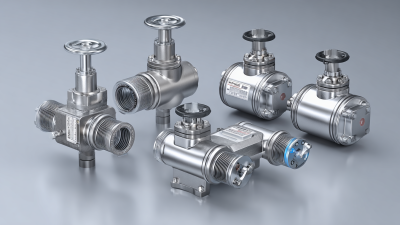
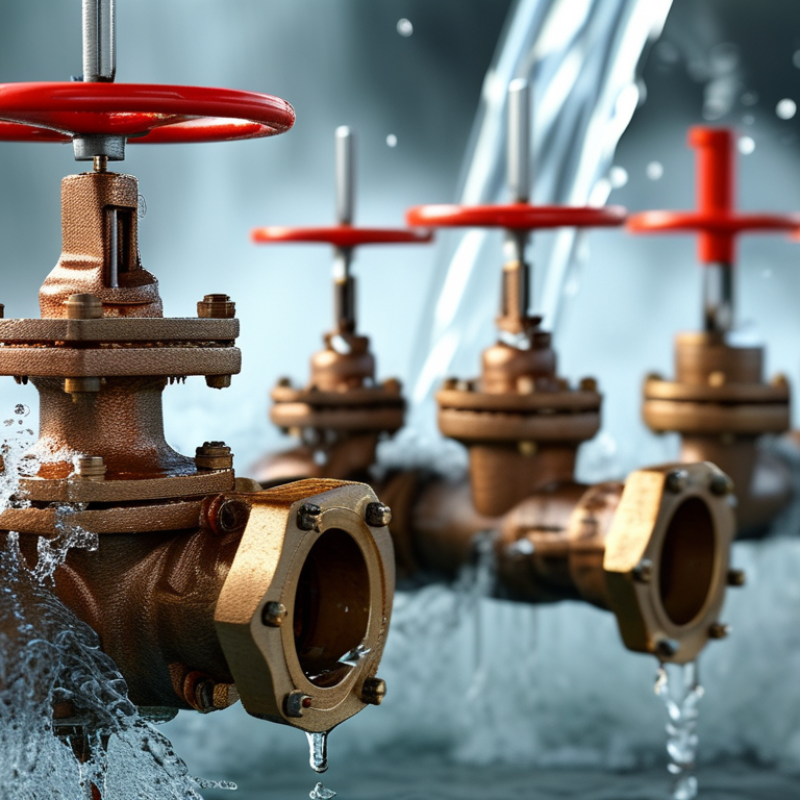
Choosing the right flow valve depends on fluid behavior, pressure, temperature, and control accuracy. Ball valves provide fast isolation with low pressure loss, making them suitable for water, compressed air, and clean process lines. Butterfly valves weigh less and need less space, which helps on large-diameter pipelines. Globe valves offer finer throttling, although their internal path creates higher pressure loss. That trade-off is easy to underestimate.

For abrasive slurries or fluids containing solids, pinch and diaphragm valves can reduce leakage risks because the fluid contacts fewer mechanical parts. Needle valves suit low-flow metering, such as laboratory dosing or instrument lines. Check valves prevent reverse flow in pumps and discharge systems, but they must match flow direction and closing speed. A poorly selected check valve may cause water hammer. It happens more often than expected.

The U.S. Department of Energy reports that pumping systems can consume 25–50% of industrial electricity, so valve resistance deserves serious attention. In water projects, the WHO and UNICEF Joint Monitoring Programme reported that 2.2 billion people lacked safely managed drinking water in 2022. Reliable isolation and control therefore affect both efficiency and public service. Field commissioning teams should verify actual flow, not only catalog values. The first selection is rarely perfect. A smaller valve may improve control, while an oversized valve can hunt, waste energy, and shorten actuator life.

What Factors Should Guide Flow Valve Selection?

Flow valves are important because they regulate how much liquid or gas moves through a system. The right choice depends on more than pipe size. In field inspections, I have seen oversized valves respond poorly at low flow, causing unstable pressure and unnecessary wear.

Start with the operating conditions. Check the fluid’s temperature, pressure, viscosity, and chemical behavior. Water, oil, steam, and abrasive slurries place very different demands on valve materials. A stainless body may suit one process, while a lined or specialized alloy design may be safer for another. Do not rely only on a catalog description.

Flow rate matters just as much. Compare the required flow range with the valve’s control capacity and pressure drop. A valve that works well at peak demand may perform badly during nighttime operation. Small details matter here. Measure the actual pipe diameter, not just the drawing.

The actuator also deserves careful attention. Pneumatic, electric, and manual options each affect response time, maintenance, and installation cost. Consider whether the valve should close or open during power loss. That decision should follow the process hazard, not convenience. Control signals, feedback, access space, and inspection frequency also influence selection.

Standards and testing records can support a reliable decision, but paperwork cannot replace site knowledge. I once underestimated vibration near a pump, and the final installation needed extra support. Selection is rarely perfect on the first attempt. Review field data, question assumptions, and leave room for operating changes.

×
img

    Contact Info

    Phone number

    661-392-8948

    Address info

    3451 Pegasus Drive, Bakersfield, CA USA