
Blog
- Home
- Blog
Why Choose Wifi Smart Switch for Your Smart Home Solutions?
In the era of smart homes, a Wifi Smart Switch emerges as a crucial component. This device offers convenience and control like never before. Imagine being able to manage your lights from anywhere, using just your smartphone. The ease of installation also stands out. Many users find the setup process straightforward yet sometimes frustrating.
However, there are challenges to consider. Not all homes have the ideal Wi-Fi coverage needed for optimal performance. Users might face connectivity issues if their router is far away. The compatibility of a Wifi Smart Switch with existing systems can also be unpredictable. Some may discover that specific models do not work with their smart home ecosystem.
Despite these potential drawbacks, the benefits often outweigh them. A Wifi Smart Switch can save energy by providing better control over lighting. Ultimately, it represents a step toward a more efficient lifestyle. The choice to integrate this technology into your home is worth exploring, even if it requires some adjustments and learning along the way.
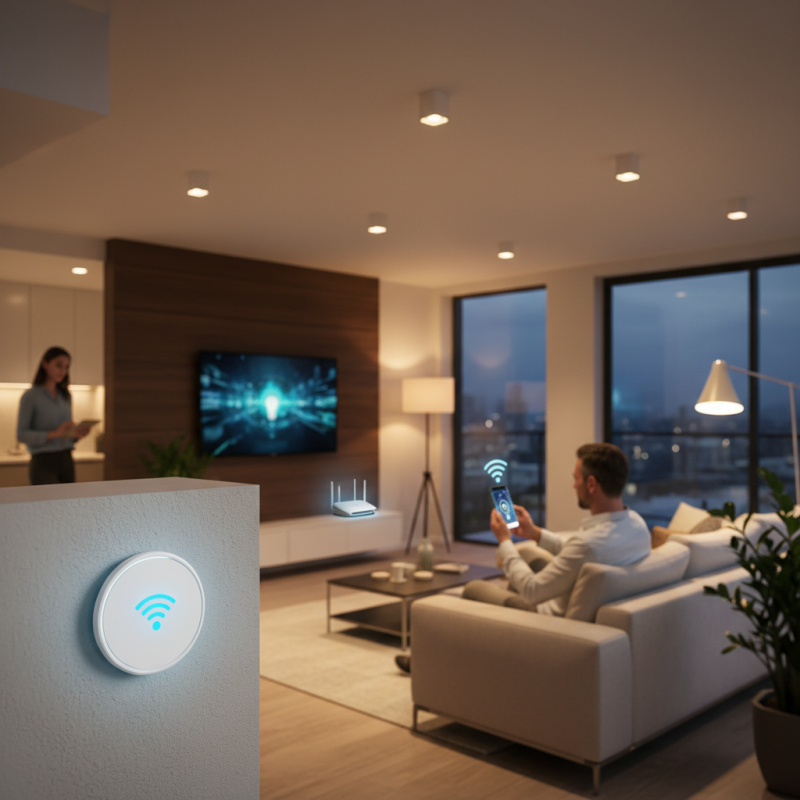
Understanding the Basics of Wifi Smart Switch Technology
Wifi smart switches offer a convenient way to control your home lighting. These devices connect to your home Wi-Fi network. You can switch lights on or off using a smartphone or tablet. This technology is powered by advanced wireless communication. It enables you to manage your home from anywhere.
Understanding how these switches work is crucial. They operate through an app installed on your device. Users can easily schedule lights, change brightness, or even create lighting scenes. Some models allow voice control, adding another layer of convenience. However, setup can be challenging for some users. If not configured properly, connectivity issues may arise.
These switches not only save energy but also enhance security. For instance, you can simulate presence by controlling lights remotely. Yet, reliance on Wi-Fi makes them vulnerable to outages. It's important to consider these shortcomings before adopting this technology. Despite the hiccups, Wifi smart switches can significantly improve daily life.

Key Features and Benefits of Wifi Smart Switches
When considering smart home solutions, Wifi smart switches stand out due to their unique features. These devices allow seamless control over your lighting and electronics. With just a few taps on your smartphone, you can turn your lights on or off. It's convenient, yes, but it also invites questions about dependency on technology.
Another significant benefit is energy efficiency. Users often report reduced electricity bills after installation. Smart switches can be programmed to turn off automatically. This feature can save a lot of energy but requires careful planning. You might sometimes forget to set your schedules correctly, leading to wasted energy. Balancing convenience with responsibility is key.
Additionally, installing Wifi smart switches often enhances home security. They enable homeowners to mimic occupancy, deterring potential intruders. However, connectivity issues can arise. If your WiFi is unstable, your smart switch may not work as expected. These moments can remind us of our reliance on WiFi technology. Overall, while Wifi smart switches simplify control, they also elevate our need to manage technology wisely.
How Wifi Smart Switches Integrate with Smart Home Systems
Wifi smart switches are integral to modern smart home systems. They offer a seamless connection between devices and provide convenience. According to a recent report by MarketsandMarkets, the smart home market is expected to reach $174 billion by 2025. This growth highlights the increasing demand for devices that improve home automation and energy management.
Incorporating smart switches into a home system allows users to control lighting, appliances, and more from their smartphones. A study by Statista indicates that about 30% of households in developed countries have adopted smart home technology. However, integration can sometimes be tricky. Compatibility issues arise with different brands and protocols. Users may face challenges when connecting switches to existing home networks. It’s crucial to ensure that the chosen devices work harmoniously.
Moreover, while Wifi smart switches enhance convenience, they also raise concerns over security. Cybersecurity threats could compromise smart home systems if not properly managed. Reports from the Cybersecurity & Infrastructure Security Agency show an increase in vulnerabilities. It's worth reflecting on security practices when adding new devices to your setup. Ensuring robust passwords and regular firmware updates can mitigate these risks. The benefits of smart switches are significant, but careful consideration is essential to create a functional and secure smart home.
Wifi Smart Switch Adoption Trends in Smart Home Solutions
This chart shows the increasing adoption of Wifi Smart Switches in the smart home market over the years 2021 to 2023. There is a significant rise in units sold, highlighting the growing interest and investment in smart home technologies.
Comparing Wifi Smart Switches to Traditional Switching Methods
When comparing Wi-Fi smart switches to traditional switching methods, the differences become clear. Traditional switches require manual operation and offer limited control. These switches simply turn lights on or off, with no automation. A Wi-Fi smart switch, however, connects to your home network. This connection allows remote access via smartphone apps. You can control your lights from anywhere.
Using a smart switch can be convenient, but it may also be overwhelming. Sometimes, setting up Wi-Fi connections can lead to frustration. Be mindful of your Wi-Fi signal strength. Weak connections can cause random outages or slow response times. Check compatibility with your existing devices to avoid complications.
Tips: Before buying, assess your needs. Do you want voice control? Or is remote access enough? Start small. Choose one area of your home to upgrade. Observe how it works for you. Smart technology is not always perfect. Be ready to troubleshoot.
Installation and Setup Tips for Wifi Smart Switches in Homes
Installing a WiFi smart switch can enhance your smart home experience. First, turn off the power at the circuit breaker. Always prioritize safety. Then, remove the existing switch. Take note of the wire connections. Color coding helps here.
Next, connect the wires to the smart switch. Make sure the connections are tight. Follow the instructions closely, but don’t expect perfection. Sometimes, a wire may not fit as expected. This might require adjustments. Secure the switch back into the wall box, then restore power.
Finally, download the companion app for setup. Follow the prompts to connect your switch to WiFi. If it doesn’t connect right away, try again. It's common to run into setup issues. Patience is key. Test the switch to ensure it responds correctly. Fine-tuning may be necessary, especially if the response isn’t as quick as you'd like.
Why Choose Wifi Smart Switch for Your Smart Home Solutions? - Installation and Setup Tips for Wifi Smart Switches in Homes
| Feature | Benefits | Installation Tips |
|---|---|---|
| Remote Control | Control devices from anywhere using a smartphone. | Ensure stable Wifi connection during setup. |
| Voice Control | Compatible with voice assistants for hands-free operation. | Integrate with your voice assistant app before installation. |
| Energy Monitoring | Track energy usage and save on electricity bills. | Follow manufacturer instructions for accurate readings. |
| Scheduling | Set timers for devices to operate automatically. | Utilize the app to set schedules easily. |
| User Friendly Interface | Easy-to-navigate apps for all users. | Explore tutorial videos online for assistance. |
(780) 669-9420