Why Is Valve Steel Important for Global Buyers?
Why Is Valve Steel Important for Global Buyers?
Global buyers rarely purchase valve steel as a simple commodity. They purchase reliability under pressure, heat, corrosion, and repeated movement. A valve in a chemical plant may face acidic fluid at 250°C. Another may operate beneath the sea, where saltwater attacks weak surfaces. The material choice can decide whether a valve lasts for decades or fails early.
Professor Sir Harry Bhadeshia, a respected steel metallurgist, states, “Steel is an alloy of iron and carbon.” This short definition hides significant complexity. Carbon content, chromium, nickel, molybdenum, heat treatment, and grain structure can change valve steel performance. Buyers must examine more than a grade name. Mill certificates, impact-test results, hardness readings, and traceability records reveal the material’s actual quality.
Performance matters most.
Experienced procurement teams also compare machining behavior, weldability, delivery consistency, and lifecycle cost. A cheaper valve steel may create higher expenses through leakage, shutdowns, replacement work, or difficult repairs. Still, no specification guarantees perfect service. That assumption deserves scrutiny. Supplier inspection can be incomplete. Testing may not represent every operating condition. Even familiar grades can behave differently between production batches.
For global buyers, dependable valve steel requires technical judgment and verified documentation. It connects material science with plant safety, maintenance planning, and long-term purchasing confidence. The strongest decisions come from checking the steel’s chemistry, manufacturing history, and intended environment together. That approach is slower at the quotation stage, but usually more responsible.
What Is Valve Steel and Where Is It Used?
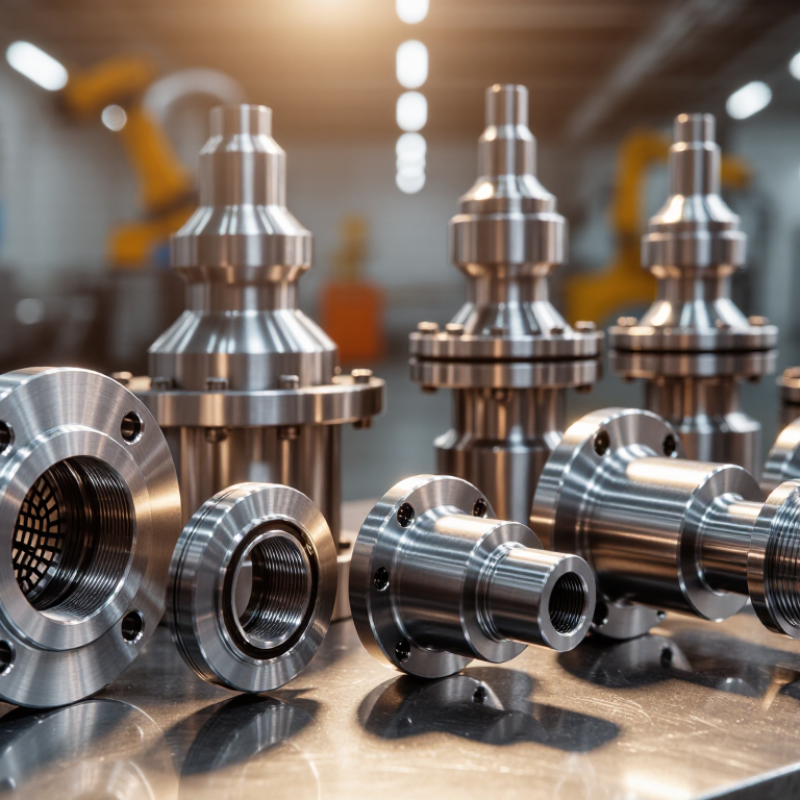
Valve steel is not one single grade. It describes carbon, alloy, and stainless steels selected for valve bodies, discs, stems, seats, and pressure-retaining parts. These materials must resist pressure, corrosion, temperature changes, and repeated opening cycles. Common specifications reference ASTM material requirements, ASME B16.34 design rules, and ISO 5208 pressure-testing procedures.
The details matter. A carbon-steel valve may suit ordinary water or moderate-temperature service, while chromium-molybdenum steel performs better in high-temperature power systems. Stainless steel is often chosen for corrosive fluids, food processing, chemical production, and marine equipment.
In the field, engineers also check weldability, impact strength, hardness, and traceability. A strong-looking surface can still hide poor internal quality.
Global demand gives this material wider importance. The World Steel Association reported approximately 1.88 billion tonnes of crude steel production in 2024, showing the scale of the supply base. The International Energy Agency’s World Energy Investment 2024 report estimated global energy investment would reach about 3 trillion dollars, with around 2 trillion dollars directed toward clean-energy systems. Those projects still require valves for cooling water, hydrogen-related equipment, steam, storage, and process control.
The connection is easy to underestimate. Valve steel is a small component, but one failed pressure boundary can interrupt an entire facility. Range selection should follow actual operating conditions, not only purchase price.
Which Properties Make Valve Steel Essential for Valve Performance?
Why Is Valve Steel Important for Global Buyers?
Valve steel determines how reliably a valve controls pressure, heat, and corrosive media. Its strength helps the body resist deformation under high internal pressure. Toughness matters when temperatures fall or sudden pressure changes occur. Without enough toughness, a small impact can create a serious crack.
Corrosion resistance is equally important. In coastal plants, humid air can attack exposed surfaces during storage. Inside chemical systems, the wrong alloy may lose thickness around seats, stems, or bolting areas. Hardness supports wear resistance, especially where metal parts move repeatedly. However, excessive hardness can reduce machinability and make welding more difficult. This trade-off deserves careful review.
Experienced buyers should examine yield strength, tensile strength, impact performance, heat treatment, and chemical composition. Material certificates and independent inspection records provide useful evidence. Yet paperwork alone cannot prove service performance. Buyers should match the steel grade with pressure, temperature, fluid chemistry, cycling frequency, and maintenance conditions. A valve used for steam faces different risks from one handling seawater.
Small details matter. Poor surface finish can encourage localized corrosion. Inaccurate dimensions may create uneven sealing. Even reliable steel can fail when processing or installation is careless. No grade is perfect for every application. That is where supplier experience, traceable testing, and honest technical discussion become essential.
How Does Valve Steel Support Safety and Reliability?
Why Is Valve Steel Important for Global Buyers?
How Does Valve Steel Support Safety and Reliability?
Valve steel protects systems where pressure, heat, and corrosive fluids meet. A suitable grade helps valves resist cracking, deformation, and sudden leakage during operation. This matters in pipelines, power facilities, chemical plants, and water treatment sites.
Reliable selection begins with service conditions, not a familiar material name. Buyers should review pressure ratings, operating temperatures, fluid chemistry, and cycling frequency. Stainless steel may resist corrosion, while alloy steel can retain strength under severe heat. Carbon steel often offers practical value, but it requires careful environmental assessment. No grade is perfect.
Manufacturing quality also controls safety. Proper forging or casting reduces internal weaknesses. Controlled heat treatment improves toughness and dimensional stability. Charpy impact testing can reveal how steel behaves in cold conditions. Hydrostatic testing checks pressure resistance, while ultrasonic or radiographic inspection may expose hidden defects. Material certificates and heat-number traceability support dependable verification across international supply chains.
Small details can prevent large failures. A valve body may look sound but contain poor weld repairs or incomplete records. This is where buyers should question assumptions. A low purchase price can become expensive after installation delays, leakage, or repeated maintenance. Clear specifications, independent inspection, and documented testing create stronger reliability than steel selection alone. Reliability is built in layers.
What Standards and Grades Should Global Buyers Evaluate?
Why Is Valve Steel Important for Global Buyers?
Global buyers should evaluate valve steel through service conditions, not price alone. The correct grade must match pressure, temperature, fluid chemistry, and corrosion risk. A carbon steel grade may perform well in dry steam but fail quickly in chloride-rich water.
For cast valves, ASTM A216 WCB is widely considered for carbon steel applications. ASTM A351 CF8M suits many corrosion-resistant stainless steel requirements. Forged components may follow ASTM A105 or related specifications. European projects often reference EN 10213 for steel castings. These grades are only starting points. Design and testing standards matter too. ASME B16.34 addresses valve pressure-temperature requirements. API 600, API 602, API 608, and API 6D may apply to different valve designs. ISO 15848 is relevant when fugitive emissions require control. Sour-service projects should review NACE MR0175/ISO 15156 carefully.
Ask suppliers for material test reports, heat-treatment records, chemical analysis, and mechanical results. Positive material identification can verify alloy content before shipment. Non-destructive examination may include radiographic, ultrasonic, or magnetic-particle testing. Traceability should connect each valve to its heat number and inspection record.
A spreadsheet can still hide risks.
Some buyers compare grade names but overlook corrosion allowances or low-temperature impact testing. This is a costly mistake. Confirm the applicable edition, acceptance class, and pressure rating with an experienced inspector. No grade fits every service. Local regulations, installation conditions, and maintenance plans may also change the final selection.
How Can Buyers Compare Valve Steel Suppliers and Costs?
Valve steel matters because its quality affects pressure control, service life, and maintenance risk. For global buyers, supplier comparison should begin with technical evidence, not the lowest quotation. Check the steel grade, chemical composition, heat treatment, dimensional tolerance, and pressure-test records. Ask for mill certificates and traceability from raw material to finished valve. Small missing details can become expensive problems.
Compare suppliers using the same specification sheet. Request prices for identical sizes, pressure classes, end connections, coatings, packaging, and inspection levels. Then separate the quoted price from total landed cost.
Include tooling, testing, freight, insurance, import duties, spare parts, and possible rework. A low unit price may hide longer lead times or weaker documentation. Delivery reliability matters when one delayed valve can stop an entire installation.
Supplier audits can reveal practical differences. Review calibration records, non-destructive testing procedures, welding controls, and corrective-action history. Ask how the supplier handles rejected batches. Clear answers build confidence. No spreadsheet is perfect. Exchange rates change, freight rates fluctuate, and forecasts can be wrong. Buyers should compare at least three qualified suppliers and record every assumption. I would also sample a small order before committing to large volumes, although this adds time and administration.
 (780) 669-9420