Blog
- Home
- Blog
What is Valve Applications in Industrial Settings?
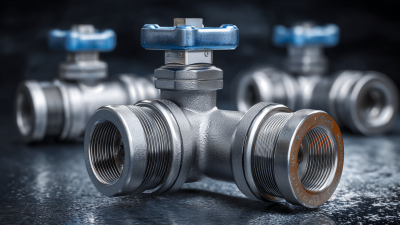
In modern industrial settings, valve applications play a vital role in various processes. These applications encompass controlling the flow of liquids and gases in pipelines and machinery. Industries such as oil and gas, water treatment, and manufacturing rely heavily on these systems for optimal operations.
Valves can be found in different forms, including gate, globe, and ball valves. Each type serves a unique purpose, helping to regulate pressure and flow. However, the selection of the right valve is critical. Poor choices may lead to leaks, inefficiencies, or even hazardous situations.
Maintaining reliability is essential in valve applications. Regular inspections and maintenance ensure safety and performance. Despite this, many industries often overlook these aspects, resulting in costly failures. It's crucial to reflect on these practices to enhance efficiency and safety in industrial workflows.
What are Industrial Valve Applications in Automation Processes?
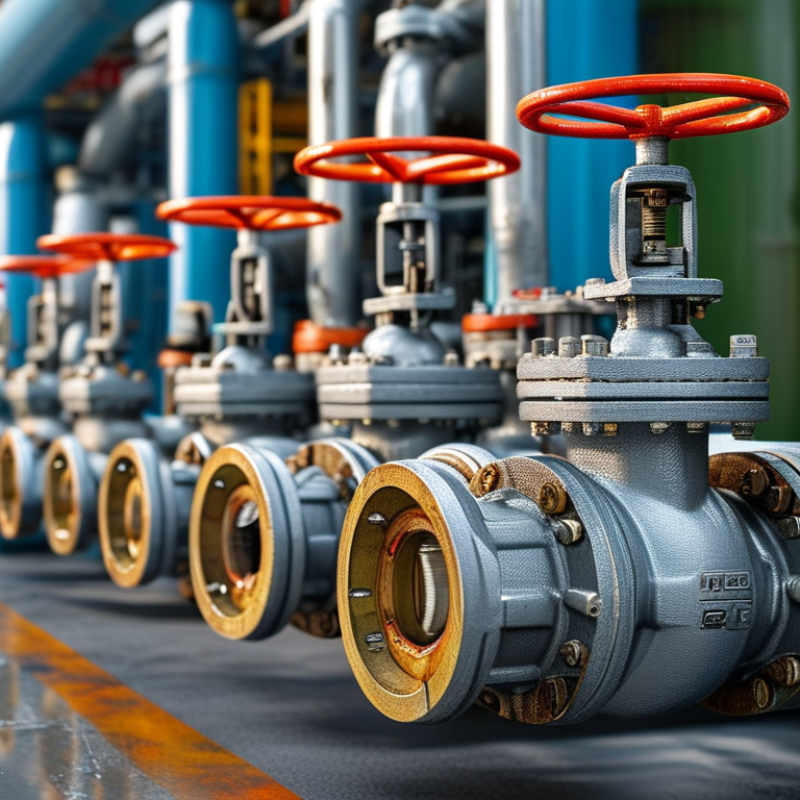
Valves play a critical role in industrial automation processes. They help control the flow of liquids and gases, regulating pressure and minimizing waste. In many factories, automated valves operate based on programmed instructions. This leads to increased efficiency and safety.
In chemical plants, valves are essential. They manage the flow of corrosive substances while ensuring proper pressure levels. Without reliable valves, processes can become unsafe. Regular maintenance is vital. Leaks or failures can halt production and create hazardous scenarios.
**Tip:** Regularly inspect valves to prevent unexpected issues. Implement routine check-ups for all automation equipment. Proper documentation helps track valve performance over time.
In water treatment facilities, valves adjust flow rates to maintain water quality. Automated systems monitor parameters and instantly respond to changes. This ensures a consistent supply of clean water. However, the initial setup often requires expertise. An oversight in calibration can lead to inefficiencies.
**Tip:** Use reliable data analytics to monitor valve performance. Software tools can provide insights into potential problems. This proactive approach can save money and resources.
What is Valve Applications in Industrial Settings? - What are Industrial Valve Applications in Automation Processes?
| Application Area | Type of Valve | Function | Common Industries |
|---|---|---|---|
| Water Treatment | Ball Valve | Flow Regulation | Municipal, Industrial |
| Oil and Gas | Gate Valve | Isolation | Petrochemicals, Energy |
| Food and Beverage | Butterfly Valve | Flow Control | Food Processing, Beverage |
| Chemical Processing | Globe Valve | Throttling | Chemicals, Pharmaceuticals |
| HVAC Systems | Check Valve | Prevent Backflow | Building Systems, Manufacturing |
Types of Valves Used in Various Industrial Applications and Their Functions
In industrial settings, valves play a crucial role. They regulate flow and control pressure for liquids and gases. Various types of valves suit different applications.
Gate valves, for example, provide excellent shut-off capabilities. They are commonly used in water supply systems.
Control valves manage the flow rate and pressure in processes. These valves are vital in chemical and oil industries. They help maintain desired conditions. According to a Market Research report, the global control valve market is projected to reach $8 billion by 2026. This shows a strong demand for efficient flow control.
Ball valves are another important type. They offer quick shut-off and are easy to operate. Their durability makes them suitable for various applications, including HVAC systems. However, they may not handle high pressure well. Each valve type has its strengths and limitations, underscoring the importance of careful selection based on specific industrial needs.
Market Overview: Global Valve Industry Statistics and Trends in 2023
The global valve industry continues to grow steadily, driven by diverse industrial applications. According to a recent market analysis, the industry reached approximately $80 billion in 2023. This reflects a compound annual growth rate (CAGR) of around 5.5% from 2020 to 2023. Industries like oil and gas dominate the market, accounting for over 30% of the total demand. Additionally, the water and wastewater management sector shows significant growth potential.
Emerging markets in Asia-Pacific are expected to exhibit robust growth. Analysts project that this region will see a CAGR of 6.2% over the next five years. Increasing investments in infrastructure and energy projects contribute to this trend. However, challenges such as fluctuating raw material prices and environmental regulations can hinder growth. Companies must innovate to meet sustainability criteria and offer more efficient solutions.
In North America, the valve market is shifting towards automation and smart technologies. Industry surveys indicate that nearly 40% of manufacturers are exploring digital valve solutions. This reflects the industry's commitment to reduce operational costs and enhance efficiency. Despite these advancements, many companies struggle with integration and workforce training. Continuous improvement in processes is crucial for staying competitive in this evolving landscape.
Key Industrial Sectors Utilizing Valves: Oil, Gas, Chemical, and Water
In the industrial landscape, valves play a crucial role across several key sectors such as oil, gas, chemicals, and water. According to a report by Research and Markets, the global valve market is projected to reach $93 billion by 2027, highlighting the industry's increasing reliance on these integral components. The oil and gas sector alone accounts for approximately 35% of valve applications, showcasing the fundamental need for reliable flow control in exploration and production operations.
The chemical industry also utilizes valves extensively. According to the International Society of Automation, about 60% of process failures relate to valve malfunctions. This statistic underscores the importance of not only selecting the right valve but also ensuring regular maintenance and monitoring. The rigidity of these systems demands high-quality valves that can withstand extreme conditions, yet many facilities struggle with outdated models.
In water management, valves regulate flow and pressure in treatment plants and distribution systems. A 2020 report from the American Water Works Association noted that over 25% of water utilities face challenges related to aging valve infrastructure, highlighting the need for upgrades. This sector illustrates that while valves are critical, many facilities still overlook their impact on efficiency and safety. Such gaps present opportunities for improvement and innovation.
Impact of Smart Valve Technologies on Operational Efficiency and Safety in Industries
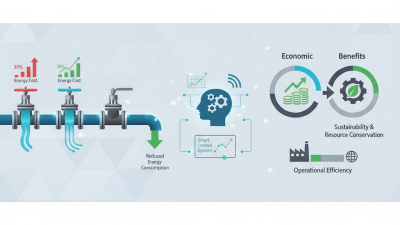
Smart valve technologies are revolutionizing industrial settings by enhancing operational efficiency and safety. Utilizing real-time data, these smart systems enable precise control of fluids and gases. Sensors embedded in smart valves monitor flow rates, temperature, and pressure. This data allows operators to make informed decisions swiftly, improving response times during critical situations.
Implementing these technologies isn't without challenges. Integration with existing systems can be complex. Companies need to evaluate compatibility and invest in training for staff. A gap in understanding may lead to inefficient usage or safety risks. Selecting the right technology involves weighing both long-term benefits and initial costs.
Tips: Regular maintenance is essential. Check sensors and connections frequently. Also, consider running simulations to train staff on new technologies. This practice can help identify issues before they arise. Remember, investing in technology requires a commitment to continuous improvement. Keeping employees informed and engaged is crucial for success.
Related Posts
-
Top 10 Guide Valves: Essential Insights and Data for Optimal Performance
-
How to Choose the Right Guide Valves for Your Project?
-

Understanding Guide Valves: Their Role in Fluid Dynamics with 2023 Industry Insights
-
2025 Top Valve Applications for Innovative Industries and Effective Solutions
-

Exploring the Future: Top Valve Engineering Innovations of 2025
-
How to Effectively Control Flow Through Valve Systems for Optimal Performance

(780) 669-9420