Top Valves and Their Applications in Various Industries?
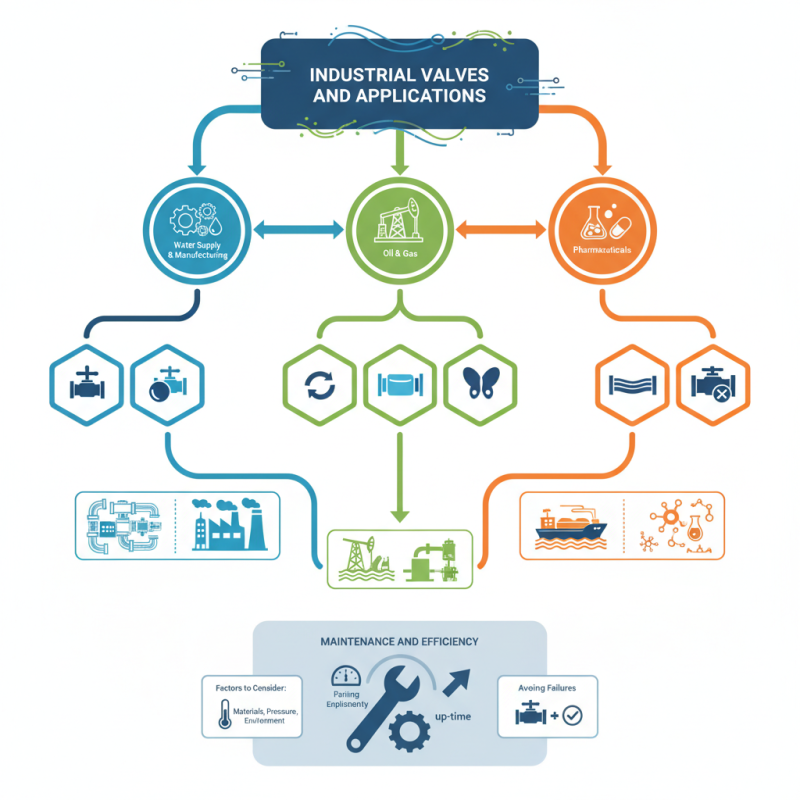
Valves and their applications play a crucial role in numerous industries. From water supply systems to oil and gas operations, these devices control fluid flow effectively. Understanding different types of valves, such as gate, globe, and ball valves, can enhance operational efficiency. Each valve has unique characteristics suited for specific tasks.
In industries like pharmaceuticals, valves ensure precise dosing and prevent contamination. In manufacturing, they facilitate the movement of gases and liquids under pressure. Yet, selecting the right valve can be challenging. There are many factors to consider, including materials, pressure ratings, and environmental conditions. Misjudgments can lead to failures or inefficiencies.
Moreover, the importance of maintenance should not be overlooked. Regular inspections can prevent costly breakdowns. While many businesses prioritize initial valve selection, ongoing care often gets neglected. This article aims to explore top valves and their applications across various sectors, highlighting their significance and the need for thoughtful decision-making.
Top Types of Valves and Their Roles in Fluid Control Systems
Valves are crucial for fluid control in various industries. They regulate the flow, pressure, and direction of liquids and gases. According to a recent market analysis, the global valve market is projected to reach $97.8 billion by 2025. This growth is driven by increased demand in sectors such as oil and gas, water treatment, and manufacturing.
Different types of valves serve specific purposes. Gate valves are commonly used for on/off control. They have low flow resistance, making them ideal for high-pressure systems. Globe valves, however, are better for regulating flow rates. They are effective but can create more pressure drop. A study highlighted that 45% of industrial users prefer globe valves for their precision. Yet, maintenance can be challenging, leading to potential failures.
Check valves prevent backflow, ensuring smooth operation in pipelines. They are vital in preventing contamination. Ball valves, known for their quick operation, can handle high volumes of fluid. Yet, they might wear out under extreme conditions. Industry reports suggest that nearly 30% of valve failures are due to improper selection or installation. Choosing the right valve is essential but often overlooked, leading to inefficiencies.
Key Industries Utilizing Valves: Oil & Gas, Water Treatment, and More
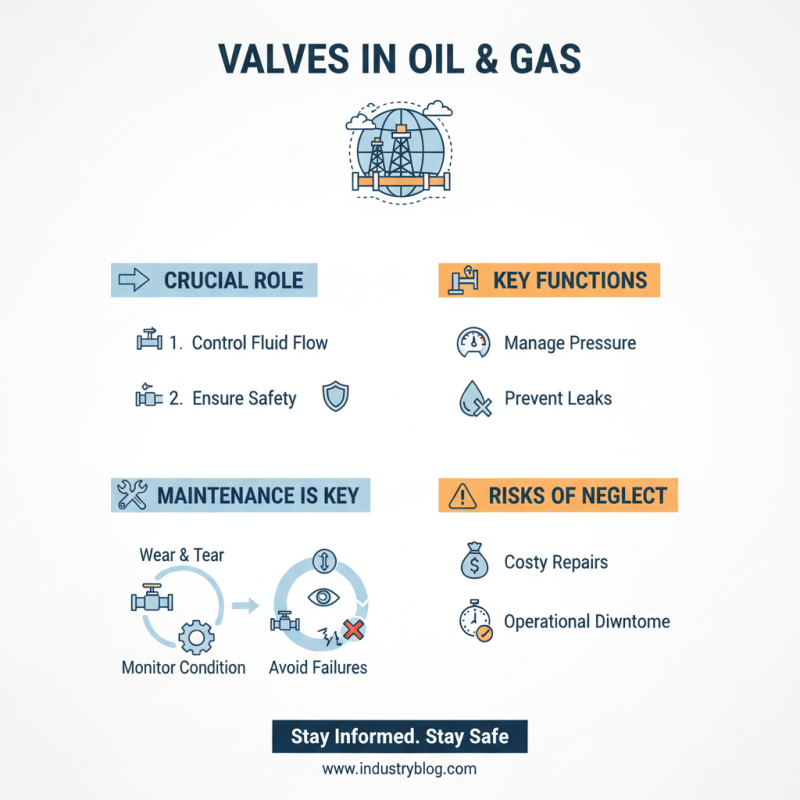
Valves play a crucial role in various industries. Among them, the oil and gas sector stands out. They control fluid flow and ensure safety. In this sector, valves help manage pressure and prevent leaks. Regular maintenance is essential. Over time, valves can wear out. Monitoring their condition is key to avoiding costly failures.
Water treatment facilities also depend on valves. They regulate the flow of water through treatment processes. Efficient valves ensure that the water remains clean and safe. However, not all valves are suitable for every application. Choosing the right type is vital. Sometimes, the wrong valve can lead to contamination issues.
Tips: Always check the specifications before purchasing valves. Compatibility with the system is crucial. Regular inspections can prevent unexpected problems. Staying proactive can save time and money.
Performance Metrics: The Importance of Valve Sizing and Selection
Valve sizing and selection are critical in various industries. Proper sizing impacts system efficiency. An oversized valve can lead to flow turbulence. This may cause wear and lead to failure. Conversely, an undersized valve can restrict flow, resulting in pressure drops.
Understanding performance metrics is vital. The right valve needs to meet the specific needs of the application. For instance, a valve in a high-pressure system might require different specifications than one in a low-pressure environment. Factors like temperature, fluid type, and flow rates all play a role in this decision. Sometimes, manufacturers provide detailed charts to aid selection.
However, even with these tools, mistakes can occur. A common oversight is neglecting future system changes. As a result, the initial selection may no longer be suitable. Regular reviews of valve performance can highlight discrepancies. This iterative process helps ensure long-lasting functionality and reliability. Analyzing these metrics leads to smarter decisions in valve usage.
Innovations in Valve Technology: Smart Valves and IoT Integration
The rise of smart valves is transforming industries worldwide. These valves integrate IoT technology, enabling seamless communication between devices. By leveraging real-time data, they optimize performance and reduce waste. Many industries are realizing the need for such innovations.
Consider the oil and gas sector. Here, smart valves can detect leaks instantly. This leads to faster intervention and minimizes environmental risks. Yet, not all facilities are equipped for such advancements. Some struggle with outdated infrastructure. This creates gaps in efficiency and safety.
In water treatment plants, smart valves monitor flow and pressure. They adjust automatically, ensuring optimal operation. However, the adoption rate varies. Smaller facilities may hesitate due to cost and complexity. A thorough evaluation is needed to understand long-term benefits. Integrating smart technology is not just about modernizing. It’s about sustainability and future growth.
Top Valves and Their Applications in Various Industries - Innovations in Valve Technology: Smart Valves and IoT Integration
| Valve Type |
Application |
Industry |
Innovation Type |
| Ball Valve |
On/Off Control |
Oil & Gas |
Smart Control Systems |
| Gate Valve |
Flow Regulation |
Water Supply |
IoT Monitoring |
| Globe Valve |
Throttling Control |
Chemical Processing |
Automated Systems |
| Check Valve |
Prevent Backflow |
Pipelines |
Smart Fail-Safe Features |
| Butterfly Valve |
Flow Control |
HVAC Systems |
Remote Operation |
 (780) 669-9420