
Top Nylon Ring Nut Manufacturers for Global Buyers

Choosing reliable Nylon Ring Nut manufacturers requires more than comparing online prices. Global buyers need consistent threads, clean molding, suitable nylon grades, and dependable delivery. A poorly formed ring can loosen under vibration, while uneven material may crack during installation. Small details matter.

This guide examines manufacturers through practical purchasing criteria. These include production experience, mold control, quality inspection, sample approval, packaging, and export communication. It also considers technical documentation, such as material data sheets, dimensional reports, and available compliance records. Experienced suppliers should explain temperature limits, torque guidance, thread standards, and application risks clearly. They should not hide behind attractive catalogs.

Evidence matters. Claims about capacity or global service deserve verification through factory audits, reference orders, samples, and written specifications. Some manufacturers provide strong products but weak communication. Others respond quickly but offer limited testing. No supplier is perfect. Public information may also be incomplete or outdated. That is why this overview treats each manufacturer carefully, without relying on promotional language alone.

For buyers in automotive, machinery, electrical, and general industrial markets, the best Nylon Ring Nut partner should match the application, not merely the lowest quotation. Ask about batch traceability, inspection frequency, minimum order quantities, lead times, and replacement procedures. A clear sample review can prevent an expensive production mistake. This article offers a practical starting point for comparing global manufacturers and making a more defensible sourcing decision.
Top Nylon Ring Nut Manufacturers for Global Buyers

What Are Nylon Ring Nuts and Where Are They Used?

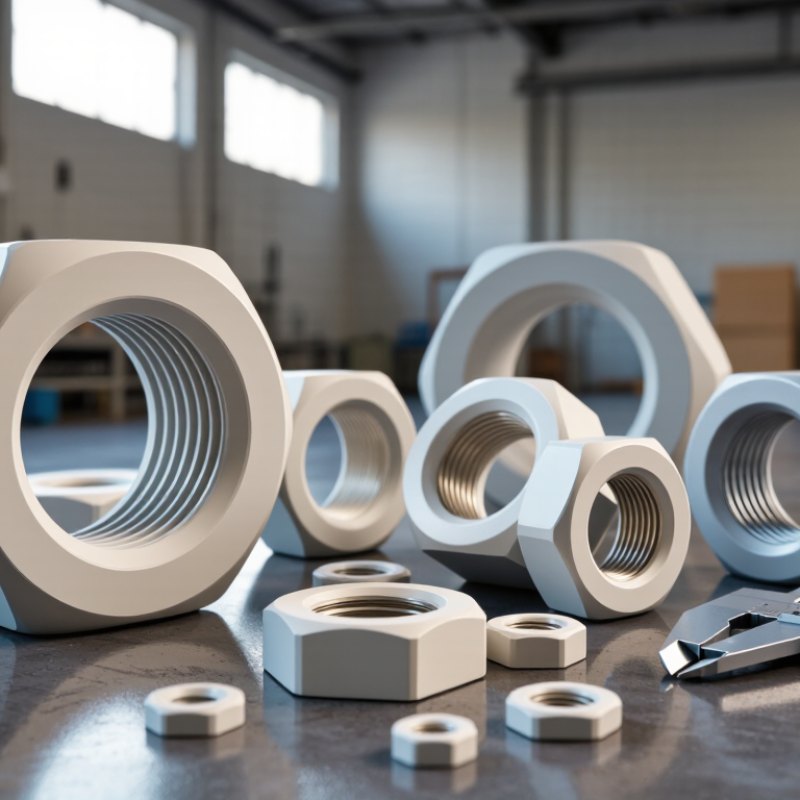
Nylon ring nuts are lightweight fastening components molded from nylon or reinforced polyamide. Their circular profile can distribute clamping pressure around a panel, tube, or threaded assembly. Unlike steel, nylon resists rust, reduces electrical conductivity, and weighs far less. The term can vary by supplier, so buyers should confirm thread form, ring diameter, and load rating before ordering.

These nuts appear in electrical cabinets, appliance frames, pumps, automotive interiors, furniture hardware, and light plumbing equipment. They suit environments where metal contact may cause corrosion or short circuits. However, nylon softens under sustained heat and may creep under constant pressure. According to Grand View Research’s 2024 engineering plastics report, the global engineering plastics market reached approximately USD 285 billion in 2023. This growth reflects wider use of polymer components in transportation and industrial equipment. A nylon market report from MarketsandMarkets also forecasts continued growth through 2028, supported by lightweight engineering applications.

Tips: Check operating temperature, moisture exposure, thread compatibility, and tightening torque. Use a calibrated torque tool. Over-tightening can deform the ring and weaken the threads. Buyers should request material certificates and dimensional inspection records from manufacturers. ISO 9001-based quality systems can improve traceability, but certification alone does not guarantee every batch. That point deserves attention. In practice, a sample fit test often reveals problems that a catalogue drawing misses.

Key Criteria for Evaluating Nylon Ring Nut Manufacturers

Global buyers should judge nylon ring nut manufacturers by measurable performance, not polished websites. Material evidence matters. Ask for the nylon grade, moisture-control method, and temperature range. PA6 and PA66 may behave differently after absorbing humidity. UV-stabilized material can be important for outdoor assemblies.

Dimensional consistency is another critical test. Request sample nuts from separate production batches. Check thread fit with calibrated gauges, inner diameter, ring thickness, and torque behavior. A reliable manufacturer should provide inspection records, batch traceability, and clear acceptance limits. Their laboratory should test tensile strength, heat aging, chemical resistance, and repeated installation. Experience shows that one attractive sample proves very little.

Production capability also deserves close attention. Review mold maintenance, automated inspection, packaging protection, and stated lead times. Ask how rejected parts are isolated. Ask who approves material changes. A short pilot order can reveal problems with flash, warped rings, or inconsistent threads. Communication is evidence, too; technical answers should be specific and supported by data. I once treated a certificate as complete proof. That was too optimistic. Certificates can expire, cover different materials, or omit the actual production lot. Buyers should compare documents with physical samples and independent test results. No supplier is perfect. Manufacturers that admit limitations often appear more dependable than those promising flawless results.

Top Nylon Ring Nut Manufacturers for Global Buyers - Key Criteria for Evaluating Nylon Ring Nut Manufacturers

Evaluation Dimension What Global Buyers Should Check Practical Benchmark or Acceptable Range Recommended Evidence Priority
Nylon Resin Type Confirm whether the ring nut is produced from nylon 6, nylon 6/6, or another specified engineering-grade polyamide. Nylon 6 or nylon 6/6 for general fastening; glass-fiber reinforcement only when higher stiffness is required. Material declaration, resin grade, technical data sheet, and batch traceability. Critical
Thread Standard and Size Check thread profile, nominal diameter, pitch, tolerance, and compatibility with the mating screw or stud. Metric ISO coarse threads or Unified inch threads, with the exact tolerance stated on the drawing or purchase specification. Approved engineering drawing, thread plug-gauge records, and first-article inspection report. Critical
Dimensional Accuracy Evaluate across-flats dimension, height, inner diameter, outer diameter, and ring geometry. Tolerance limits should be defined by the applicable product standard or customer drawing; production capability should be demonstrated with Cpk data where required. Dimensional inspection plan, calibrated measurement records, and capability study. Critical
Mechanical Performance Assess tensile strength, compressive behavior, thread stripping resistance, and resistance to installation damage. Performance must be validated for the selected resin, size, thread engagement, tightening torque, and service temperature rather than judged from resin data alone. Application-specific torque tests, load tests, and product-level test reports. Critical
Operating Temperature Verify continuous and short-term temperature exposure, including heat generated by nearby equipment. Typical unmodified nylon applications are commonly evaluated around -40°C to +85°C; higher temperatures require resin-specific validation. Resin temperature rating, accelerated aging results, and application temperature profile. High
Moisture Resistance and Conditioning Determine how moisture absorption may affect dimensions, torque, strength, and thread fit. Nylon parts should be tested in both dry-as-molded and conditioned states because polyamide properties change with humidity. Moisture-conditioning procedure, dimensional comparison, and torque-retention results. High
Chemical Compatibility Check exposure to oils, fuels, cleaning agents, salts, detergents, and process chemicals. Compatibility must be confirmed for the actual chemical, concentration, temperature, and exposure duration; no universal nylon rating applies to every environment. Chemical-resistance data, immersion test results, and application-specific validation. High
Manufacturing Process Control Review control of molding temperature, mold maintenance, flash, sink marks, warpage, and thread formation. Documented inspection checkpoints with defined acceptance limits and corrective-action procedures. Process flow chart, control plan, work instructions, and nonconformance records. High
Quality Management System Assess whether the production site operates a formal, independently audited quality system. ISO 9001 certification is a useful baseline; sector-specific requirements may require additional controls. Valid certificate, scope of certification, audit status, and supplier quality agreement. High
Regulatory and Material Compliance Verify compliance requirements for the destination market and end-use industry. Declarations should address applicable requirements such as RoHS, REACH, and substance restrictions when relevant. Signed declarations, restricted-substance reports, and resin compliance documentation. High
Color and Identification Confirm color consistency, surface appearance, marking requirements, and prevention of mixed parts. Use an approved color reference and documented visual limits; identification should support lot traceability. Approved sample, visual inspection standard, packaging labels, and lot records. Medium
Tooling and Customization Evaluate capability for non-standard dimensions, special threads, custom colors, and design changes. Supplier should provide mold-flow or manufacturability feedback, tooling ownership terms, and revision control. Tooling proposal, sample approval process, drawing revision history, and mold-maintenance plan. Medium
Sampling and Inspection Service Check the supplier’s ability to provide samples, inspection data, and production approval documentation. Samples should represent the intended production process and be accompanied by measurable inspection results. Pre-production samples, first-article report, material certificate, and retained-sample policy. Medium
Production Capacity and Lead Time Assess monthly capacity, mold availability, scheduling flexibility, and ability to support forecast changes. Capacity should be supported by equipment and staffing records; quoted lead times should distinguish samples, tooling, and repeat orders. Capacity statement, production schedule, on-time delivery history, and contingency plan. Medium
Packaging and Export Readiness Review protection against moisture, contamination, deformation, and quantity errors during international transport. Packaging should specify part number, quantity, lot number, production date, material, and storage conditions. Packaging specification, carton test records, export documents, and storage instructions. Medium
Total Cost of Ownership Compare unit price together with tooling, inspection, freight, customs, rejects, and replacement costs. The lowest quoted unit price should not outweigh verified quality, delivery reliability, and application performance. Itemized quotation, landed-cost model, warranty terms, and historical defect data. Medium

Note: The benchmarks above are general purchasing guidelines for nylon ring nuts. Final acceptance criteria should be defined by the applicable standard, approved drawing, resin specification, and actual service environment.

How to Compare Product Quality, Materials, and Customization Options

When comparing nylon ring nut manufacturers, begin with measurable quality, not polished photographs. Check thread accuracy, ring retention, surface finish, and dimensional consistency across several production lots. A reliable supplier should provide inspection records, material data, and traceability for each batch. Ask for samples from regular production, not only hand-selected pieces.

Material choice affects performance. Standard nylon may suit indoor fastening, while PA6 or PA66 can offer better strength and heat resistance. Moisture absorption still matters. It may change dimensions and tightening behavior over time. For outdoor use, request evidence of UV resistance and suitable temperature performance. Test torque retention after assembly, vibration, and repeated temperature changes. Small details matter.

Customization can include thread size, ring design, color, marking, packaging, and delivery quantities. Share a clear drawing with tolerances and application conditions. Confirm whether tooling costs, sample revisions, and minimum order quantities are transparent. A capable manufacturer will explain limits instead of promising everything. That is a useful warning sign. A perfect first sample may still hide inconsistent mass production, and I have seen buyers overlook this gap. Independent testing or a controlled pilot order can reveal it before larger purchasing decisions.

Global Standards, Certifications, and Export Requirements

Top Nylon Ring Nut Manufacturers for Global Buyers

Global buyers should evaluate nylon ring nut manufacturers through standards, testing, and export discipline. Reliable suppliers usually operate under ISO 9001 quality systems, but certification alone does not prove consistent production. Ask for current certificates, audit scope, and certificate validity. Nylon type also matters. PA6 and PA66 can differ in strength, moisture absorption, and temperature performance.

Request batch-based inspection records before placing large orders. Useful documents include dimensional reports, torque testing results, material declarations, and certificates of conformity. For regulated markets, suppliers may need to provide RoHS or REACH compliance statements. These documents should match the exact product and production batch. A generic file is not enough. It happens often.

Tips: Confirm thread size, pitch, color, tolerance, and operating temperature in writing. Request samples from normal production, not specially selected pieces. Check whether packaging protects parts from dust and moisture during long sea transit.

Export readiness also includes accurate commercial invoices, packing lists, country-of-origin details, and the correct customs classification. Packaging should prevent crushed threads and mixed sizes. Clear labels help warehouse teams identify each carton quickly. Experienced manufacturers can explain destination-specific requirements without making unsupported promises. Still, buyers should verify local import rules independently. This extra step feels slow, but it can prevent costly delays. Supplier reviews, factory evidence, and traceable records provide stronger assurance than polished sales language.

How International Buyers Can Select the Right Supplier

Top Nylon Ring Nut Manufacturers for Global Buyers

Choosing a nylon ring nut supplier requires more than comparing unit prices. In practical sourcing work, I check material grade, thread accuracy, torque performance, and heat resistance. Ask for recent test reports and production samples. A reliable manufacturer should explain its inspection process clearly. Look for traceable batches, stable molding conditions, and documented dimensional tolerances. A polished website is not proof.

Tips: Request samples from the same production line used for bulk orders. Confirm minimum order quantities, tooling charges, packaging details, and realistic lead times. Ask how rejected parts are recorded and corrected. Check whether the supplier can support custom colors, thread sizes, or revised drawings. Communication matters. Slow or vague replies may become costly during production changes.

International buyers should also assess factory capacity and export experience. A supplier may produce excellent samples but struggle with monthly volume. Review quality records, equipment maintenance, and worker training where possible. Discuss storage conditions because moisture and heat can affect nylon components. Payment terms deserve careful review too. Low prices can hide weak inspection or inconsistent materials. I have seen buyers overlook small tolerance differences, then face assembly problems later. That mistake is easy to repeat, especially when schedules are tight. Ask direct questions, keep written specifications, and allow time for an independent pre-shipment inspection.

×
img

    Contact Info

    Phone number

    661-392-8948

    Address info

    3451 Pegasus Drive, Bakersfield, CA USA