
What Are the Top Grounding Kits for Global Buyers?

Choosing the right Grounding Kits is a practical decision for global buyers, not a simple product comparison. A kit may include copper rods, bonding cables, clamps, inspection pits, and resistance-testing points. Each component must work together under real site conditions.

This guide examines leading grounding solutions for factories, telecom towers, solar farms, commercial buildings, and temporary installations. It considers electrical performance, corrosion resistance, installation speed, maintenance access, and documentation. Experienced buyers also check conductor size, soil conditions, connection quality, and compatibility with local engineering requirements. A low price can become expensive when a clamp loosens or a buried connection deteriorates.

Reliable suppliers should provide material certificates, test reports, clear installation instructions, and traceable quality records. Certifications such as UL, IEC, or regional approvals may support purchasing decisions, but buyers should verify whether they apply to the complete kit or only selected components. Requirements differ between markets. There is no universal best option.

Some recommendations remain imperfect. Soil moisture changes. Transport damage happens. Installation teams may interpret instructions differently. Therefore, this overview compares Grounding Kits through evidence and practical risk assessment, rather than marketing claims alone. It also highlights questions buyers should ask before ordering, including warranty coverage, replacement parts, testing support, and export packaging. The strongest choice is usually the kit that performs consistently, can be inspected easily, and matches the project’s environment. Not merely the cheapest one.
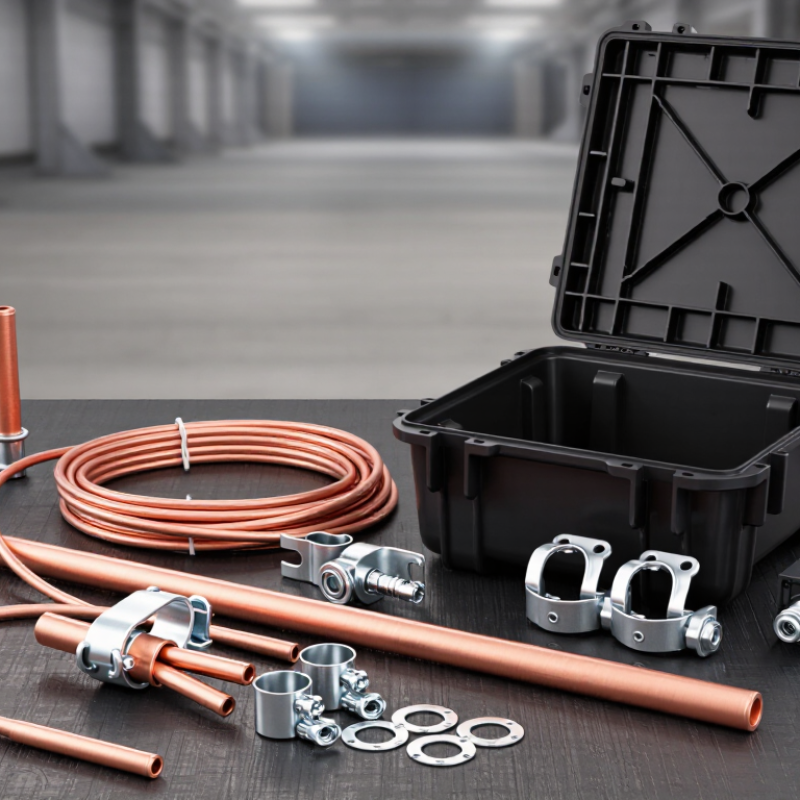
What Are the Top Grounding Kits for Global Buyers?

What Is a Grounding Kit and Why Does It Matter?

What Are the Top Grounding Kits for Global Buyers?

What Is a Grounding Kit and Why Does It Matter?

A grounding kit connects exposed metal parts to earth through a controlled electrical path. It helps direct fault current away from people, equipment, and communication systems. A typical kit may include a bonding strap, lugs, clamps, grounding wire, hardware, and corrosion-resistant connectors.

Grounding is not merely an installation accessory. It supports equipment protection during faults, surges, and lightning events. It also reduces unwanted electrical noise in sensitive systems. The correct kit depends on the application, conductor size, soil conditions, and local electrical requirements. A kit suitable for a rooftop cabinet may not suit a utility structure.

Material compatibility deserves close attention. Copper, aluminum, galvanized steel, and stainless steel can react differently in moisture. Poor contact may create resistance, heat, or corrosion over time. Check the connector design, coating, temperature range, and expected service environment. Small details matter.

Reliable selection also requires practical verification. Measure continuity after installation, inspect the bonding points, and protect connections from water entry. A qualified electrician should confirm the design against applicable regional standards. Global buyers often focus on price, but replacement work can cost more than the original kit. I have also seen specifications look complete while missing a clear installation method. That weakness deserves review. Soil resistance, salt exposure, and limited access can change the result, so a universal grounding solution is rarely realistic.

Which Components Make Up a Reliable Grounding Kit?

A reliable grounding kit begins with a low-resistance path, not a crowded box. The core usually includes a copper or copper-clad earth electrode, a correctly sized conductor, clamps, bonding jumpers, and inspection points. IEC 60364-5-54 requires protective conductors and bonding connections to suit fault current and installation conditions. IEEE Std 80 also emphasizes touch voltage, step voltage, soil resistivity, and fault duration.

Material selection matters in wet soil, coastal air, and industrial spaces. Copper offers strong conductivity, while copper-clad steel can provide mechanical strength and lower material use. Connectors should resist loosening, corrosion, and thermal cycling. Exothermic or listed mechanical connections may be suitable, depending on the installation. Add an earth pit or test link for measurement access. Without one, maintenance becomes guesswork.

The International Energy Agency’s Electricity 2024 report expects global electricity demand to grow by about 4% annually through 2026. More substations, solar sites, data equipment, and charging infrastructure will increase grounding requirements. A complete kit should therefore include labels, anti-corrosion compound, protective conduit, and test records. Field experience shows that missing washers or poorly prepared contact surfaces can undermine an otherwise sound design. I have also seen specifications copy old soil data. That is not ideal. Soil changes after drought, construction, or drainage work, so resistance testing should confirm the design rather than merely decorate the paperwork.

What Are the Top Grounding Kits for Global Buyers? - Which Components Make Up a Reliable Grounding Kit?

Grounding Kit Type Typical Application Core Components Common Conductor Specification Electrode or Connection Method Key Material Options Important Selection Criteria Relevant Standards or Practices
Building Electrical Grounding Kit Residential, commercial, and industrial low-voltage electrical installations Grounding electrode conductor, ground rod or grounding electrode, clamps, bonding jumper, inspection access cover, and corrosion protection Copper, copper-clad copper, or aluminum conductor sized according to the installation design and local electrical code Rod, plate, foundation electrode, or building steel connected with listed clamps or irreversible connections Copper, copper-clad steel, galvanized steel, stainless steel, or compatible aluminum components Soil conditions, available electrode length, fault-current requirements, corrosion risk, accessibility, and local code compliance IEC 60364, IEEE 142, NFPA 70, and applicable national electrical regulations
Lightning Protection Grounding Kit Buildings, towers, storage facilities, and structures requiring lightning-current discharge Air-terminal connection, down conductor, test joint, earth electrode, bonding clamps, exothermic or mechanical connectors, and warning labels Copper tape, copper cable, aluminum tape, or other conductors approved for the lightning protection system design Multiple interconnected earth electrodes, ground ring, radial electrodes, or foundation earth electrode Copper, tinned copper, aluminum, hot-dip galvanized steel, and stainless steel Current-carrying capacity, separation from other services, equipotential bonding, corrosion compatibility, and inspection access IEC 62305, NFPA 780, and the applicable national lightning protection standard
Telecommunications and Data-Center Kit Telecommunication rooms, server rooms, network cabinets, and data centers Main grounding bar, rack bonding conductors, cabinet bonding straps, grounding busbar, connectors, and supplementary bonding hardware Flexible copper braid, insulated copper cable, or copper bonding strap; conductor size depends on the equipment and installation design Connection to the building grounding electrode system and a common equipotential bonding network Tinned copper braid, bare copper, insulated copper, copper alloy terminals, and plated busbars Low impedance, short conductor paths, reliable cabinet bonding, electromagnetic compatibility, and clear identification ANSI/TIA-607, IEC 60364, IEEE 1100, and local data-center design requirements
Solar Photovoltaic Grounding Kit Rooftop and ground-mounted photovoltaic arrays Module bonding clips, rail bonding washers, grounding lugs, equipment grounding conductor, inverter bonding connection, and grounding electrode connection Copper or aluminum equipment grounding conductor selected for fault current, environmental exposure, and local code requirements Bonded module frames and mounting rails connected to the building or site grounding electrode system Tinned copper, stainless steel, anodized aluminum-compatible hardware, copper alloy, and UV-resistant insulation Compatibility with module frames and rails, outdoor durability, galvanic corrosion control, reliable electrical continuity, and UV resistance IEC 62548, IEC 60364-7-712, NEC 690, and applicable photovoltaic regulations
Wind Turbine Grounding Kit Small and utility-scale wind turbines, towers, nacelles, and foundations Tower bonding conductors, nacelle bonding straps, blade and down-conductor connections, foundation electrode, surge protection bonding, and test points Copper tape, copper cable, aluminum conductor, or engineered lightning-current conductor selected for mechanical and electrical stress Foundation earth electrode, ground ring, radial conductors, or integrated tower grounding system Copper, tinned copper, aluminum, stainless steel, and hot-dip galvanized steel Lightning-current distribution, vibration resistance, flexible connections, corrosion control, soil resistivity, and maintainability IEC 61400-24, IEC 62305, IEEE 142, and project-specific engineering requirements
Industrial Equipment Grounding Kit Motors, control panels, machines, production lines, and electrical enclosures Equipment grounding conductor, bonding jumpers, enclosure lugs, grounding bar, flexible braid, cable glands, and connection hardware Copper cable, copper braid, or metal raceway used as permitted by the applicable electrical code Bonding to the facility grounding network and protective earth terminal Tinned copper, bare copper, galvanized steel, stainless steel, and copper alloy Fault-current path, mechanical protection, vibration tolerance, enclosure continuity, temperature rating, and ease of inspection IEC 60204-1, IEC 60364, NFPA 70, and applicable machinery safety requirements
Portable and Temporary Grounding Kit Temporary electrical work, maintenance areas, substations, and construction sites Flexible grounding cable, clamps, ferrules, handles, storage bag, identification tags, and an approved temporary grounding point Flexible copper cable with a cross-section selected for the prospective fault current and duration Clamp-to-conductor, clamp-to-busbar, or connection to a verified grounding point Flexible copper cable, tinned copper braid, bronze clamps, and insulated handles Fault-current rating, clamp pressure, cable flexibility, visible damage checks, secure installation sequence, and clear labeling OSHA requirements, ASTM F855, IEC 61230, and local electrical safety procedures
Substation and Utility Grounding Kit Power substations, switchyards, transformers, and distribution facilities Ground grid conductors, ground rods, equipment bonds, fence bonds, transformer neutral connection, connectors, test links, and inspection points Bare copper, copper-clad steel, or galvanized steel grid conductor sized through thermal and fault-current calculations Buried mesh or grid with driven rods, bonded structures, and controlled step and touch voltage Copper, copper-clad steel, galvanized steel, and stainless steel for selected exposed connections Step and touch voltage, fault duration, soil resistivity, grid geometry, corrosion, mechanical strength, and periodic testing IEEE 80, IEEE 81, IEC 61936-1, and applicable utility engineering standards
Corrosion-Resistant Marine or Coastal Kit Ports, coastal buildings, offshore equipment, marine electrical systems, and humid environments Grounding conductor, marine-grade clamps, bonding straps, grounding bar, protective coatings, sacrificial or isolating components, and inspection points Tinned copper cable or braid selected for marine exposure and required current capacity Bonding to a designated grounding electrode system while controlling unwanted galvanic couples Tinned copper, marine-grade stainless steel, bronze, and compatible protective coatings Salt exposure, galvanic corrosion, waterproofing, dissimilar-metal compatibility, mechanical protection, and inspection frequency IEC 60092 series, IEC 62305 where lightning protection applies, and local marine electrical requirements
Buyer checklist: A reliable grounding kit should include compatible conductors, listed connectors, corrosion-resistant hardware, clear installation instructions, identification labels, test or inspection access, and documentation showing the applicable standards. Final conductor sizes, electrode arrangements, and acceptance criteria must be verified by a qualified electrical professional according to local regulations and the specific installation design.

How Do Grounding Kits Differ by Application and Region?

Grounding kits for global buyers differ mainly by application, soil conditions, and regional electrical practice. A rooftop solar installation may need bonding hardware, copper conductors, roof clamps, and an earth electrode. A telecommunications site often requires low-impedance paths, bonding bars, and protection against repeated surges. Industrial equipment may need flexible straps, grounding lugs, and corrosion-resistant connections near motors or control cabinets.

Fit matters. So does climate. Dry, rocky soil can require longer electrodes or a redesigned grounding layout, while humid coastal areas demand stronger corrosion resistance. Aluminum, copper, galvanized steel, and stainless steel each behave differently when exposed to moisture or dissimilar metals. A kit suitable for an inland warehouse may perform poorly beside salt air. This is easy to underestimate.

Regional requirements also change the selection process. Buyers should check conductor sizing, electrode spacing, bonding methods, test procedures, and approved installation practices in the destination country. Some regions emphasize utility grounding rules; others focus heavily on lightning protection or equipment bonding. A reputable supplier should provide material specifications, installation drawings, test guidance, and traceable quality records. However, documents alone do not prove field performance. Soil testing and verification measurements still matter.

In practice, the “top” kit is not universal. It is the kit matched to the site. I would avoid choosing only by price, because cheaper clamps can loosen after thermal cycling. Even experienced installers can miss galvanic corrosion at one connection. A local electrical professional should review the design before installation, especially for large, exposed, or sensitive systems.

Which Safety Standards Should Global Buyers Check?

When selecting grounding kits for global projects, buyers should verify safety standards before comparing prices. IEC 60364 helps assess low-voltage electrical installations, while IEC 62561 covers components used in lightning protection systems. For certain power installations, EN 50522 may also matter. These standards do not replace local requirements. They provide a technical baseline.

Check whether the kit includes test reports from an ISO/IEC 17025-accredited laboratory. The report should name the exact model, material, test current, duration, and temperature rise. A certificate without these details proves very little. Confirm the conductor size, fault-current rating, mechanical strength, and corrosion resistance. Outdoor terminals need practical protection against moisture, salt, and soil chemicals. Ask for clear installation instructions, torque values, and approved conductor combinations.

Look closely at conformity markings required in the destination market. A marking alone is not enough. Verify its legal scope and issuing authority. UL 467 may be relevant for grounding and bonding equipment in some North American projects, but it is not a universal approval. The same clamp can pass one test and fail another setup. That uncomfortable detail is often missed. Buyers should also inspect batch traceability and material declarations. Copper, aluminum, and stainless steel can react badly when joined without suitable interfaces. Small documentation gaps can become expensive field problems. I would leave room for review, because standards and local interpretations change.

How Can Buyers Compare and Select the Best Grounding Kit?

What Are the Top Grounding Kits for Global Buyers?

Choosing a grounding kit is not only a packaging decision. It is a safety and performance decision. Buyers should compare conductor material, cross-sectional area, clamp strength, and connection durability. Copper offers excellent conductivity, while coated steel may suit harsh outdoor conditions. The right choice depends on soil, moisture, temperature, and installation depth. Not every kit performs equally in wet or corrosive ground. Field conditions matter more than a polished product sheet.

A reliable comparison begins with technical documents and test evidence. Check rated current, operating temperature, corrosion resistance, and expected service life. Review the kit’s test method, not only its stated resistance value. Ground resistance targets can vary by system design and local requirements. Ask whether the kit includes rods, clamps, inspection points, bonding straps, and protective compounds. Missing one small component can delay installation. It happens more often than buyers expect. Request clear drawings and installation instructions before ordering.

Installation quality deserves equal attention. A strong kit can fail when joints are loose, buried connections are poorly protected, or soil measurements are ignored. Compare supplier support, replacement availability, packaging quality, and delivery consistency across regions. Independent inspection can confirm continuity and resistance after installation. A comparison table helps, but it cannot replace an on-site assessment. Buyers should record test results, weather conditions, and connection details for future maintenance. The cheapest option may look efficient, yet its total cost can rise after repeated repairs.

×
img

    Contact Info

    Phone number

    661-392-8948

    Address info

    3451 Pegasus Drive, Bakersfield, CA USA