China Best Mild Steel Pipe Suppliers for Global Buyers?
Choosing reliable China Mild Steel Pipe suppliers requires more than comparing prices on a spreadsheet. Global buyers need consistent dimensions, dependable steel grades, clear documentation, and practical export experience. A low quotation may hide extra inspection costs, weak packaging, or uncertain delivery schedules. That risk deserves attention.
Experienced sourcing teams usually begin with project details. These include outside diameter, wall thickness, length, coating requirements, connection type, and intended application. Reputable suppliers should provide mill test certificates, production records, inspection reports, and traceable batch information. Independent testing can also confirm chemical composition, tensile strength, and dimensional accuracy. Small details matter. A poorly protected pipe bundle may arrive with damaged ends or surface corrosion after a long sea journey.
Supplier assessment should also include factory capability and communication quality. Buyers can request production photographs, sample reports, video audits, and references from comparable projects. Questions should cover minimum order quantities, customization limits, packing methods, payment terms, and after-sales handling. Reliable manufacturers explain limitations instead of promising everything. That honesty is valuable.
However, no supplier is perfect. Even an established factory may face raw material changes, port delays, or inspection failures. Buyers should allow reasonable schedule margins and confirm critical requirements in writing. This guide examines leading China Mild Steel Pipe suppliers through product quality, certifications, manufacturing capacity, export service, and buyer feedback. The evaluation is practical, but not absolute. Conditions change, and each supplier still requires direct verification before a purchase decision.
What Makes a Mild Steel Pipe Supplier Reliable for Global Buyers?
A reliable mild steel pipe supplier in China should make quality visible, not merely promise it. Buyers need clear information about steel grade, outer diameter, wall thickness, and production standards. A proper mill certificate should match the actual shipment. Traceability records should connect each bundle to its heat number and inspection report. Records matter.
Experienced suppliers usually control more than production. They check chemical composition, tensile strength, weld quality, surface condition, and dimensional tolerance. Independent inspection can add confidence before loading. During my review of export orders, small differences in wall thickness caused fitting problems on site. A careful supplier measures repeatedly, rather than trusting one final check. This practical discipline reflects real expertise.
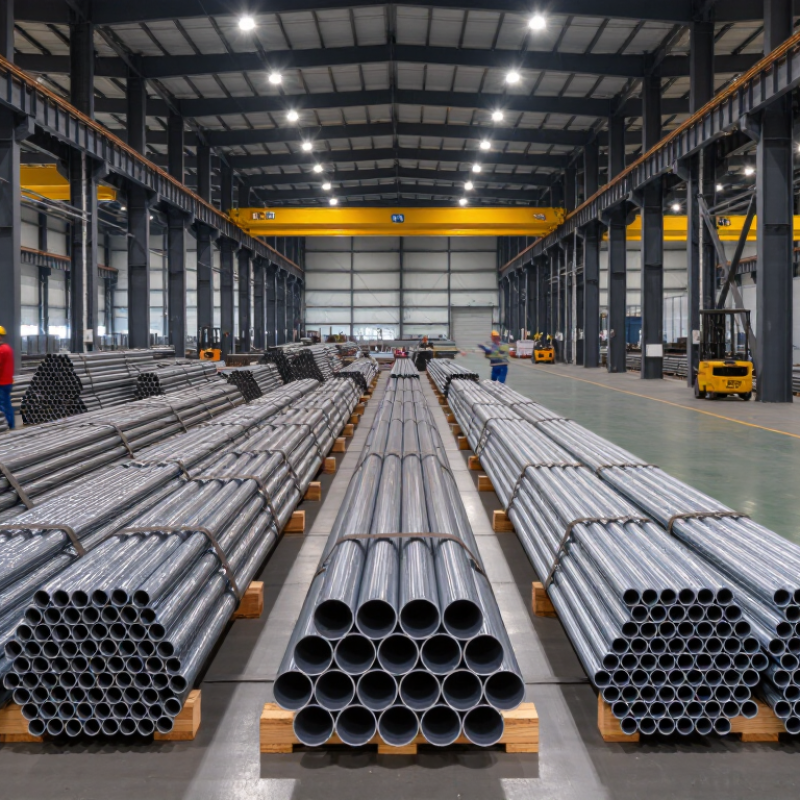
Reliability also appears in communication. The supplier should confirm drawings, packing requirements, delivery terms, and inspection dates in writing. Strong packaging protects pipe ends from impact, moisture, and deformation during long sea transport. Photos before loading can reveal weak bundling or missing labels. No supplier is perfect. A dependable one admits mistakes, explains corrective action, and updates the buyer quickly. Delivery history, production capacity, and responses to technical questions deserve equal attention. Cheap pricing alone can hide inconsistent materials, delayed documents, or costly rework. Global buyers should request samples, verify certificates, and assess whether the supplier can repeat the same quality on the next order.
How to Evaluate Chinese Suppliers, Factories, and Product Quality
Choosing a Chinese mild steel pipe supplier requires more than comparing the lowest quotation. A reliable evaluation starts with factory evidence, not polished sales images. Request business licenses, production addresses, equipment lists, and recent project references. Ask whether the factory makes pipes in-house or outsources forming, welding, or coating. A video call can reveal storage conditions, testing areas, and the actual production flow. It is not perfect evidence, but it can expose obvious gaps.
Product quality should match your drawings and applicable standards. Confirm outside diameter, wall thickness, length tolerance, steel grade, weld appearance, and surface condition. Request mill test certificates, dimensional records, chemical analysis, and mechanical test results from the same batch. Independent inspection before shipment creates useful distance from supplier claims. I have seen complete-looking documents paired with inconsistent measurements. One sample is not enough. Check several bundles and record gauge readings, heat numbers, photographs, and packaging details.
Tips: Build a small approval process. Start with samples, then place a controlled trial order. Compare measured results with certificates. Clarify rejection rules, replacement terms, inspection access, and delivery responsibility in writing. Check communication speed too. Unclear answers during sampling often become costly delays later. Keep a scorecard covering quality, traceability, capacity, responsiveness, and corrective action. Some buyers overtrust factory size. That can be a mistake. A smaller plant may perform better, but only when its records and results support the claim.
Export Services, Pricing Factors, and International Shipping Considerations
China’s mild steel pipe suppliers compete strongly on production scale and export flexibility. The World Steel Association reported 1.892 billion tonnes of crude steel production worldwide in 2023. This capacity supports competitive pipe pricing, but low prices require careful verification.
A reliable quotation should separate steel grade, outside diameter, wall thickness, length, tolerance, and surface treatment. Material prices often follow iron ore, coking coal, energy, and currency movements. Welding method also matters. Seamless pipes usually cost more than welded pipes. Ask for mill test certificates, dimensional reports, and independent inspection before payment. A cheap offer can become expensive after rejected batches or missing documents.
Shipping terms deserve equal attention. Under the chosen Incoterm, clarify responsibility for inland transport, export clearance, insurance, and destination charges. UNCTAD’s Review of Maritime Transport 2024 recorded 2.4% growth in maritime trade during 2023, while route disruptions continued to affect schedules and freight costs. Request container or breakbulk options, packing photos, bundle weights, and a realistic loading date. Pipes need moisture protection, especially during long sea voyages. Wooden supports and capped ends reduce handling damage.
Some buyers focus too heavily on the unit price. That is understandable, but incomplete. A supplier’s response time, traceable quality records, and ability to correct mistakes may matter more than a small discount. No quote is truly final. Recheck freight, steel indexes, and destination fees before issuing the purchase order.
A Practical Process for Selecting the Best Supplier for Your Project
Choosing among China’s mild steel pipe suppliers requires more than comparing the lowest quotation. Define your project’s pipe diameter, wall thickness, length, grade, surface treatment, and quantity first. A clear specification prevents vague offers and costly changes later. Include operating temperature, pressure, connection method, and delivery location.
Request recent inspection reports, material certificates, dimensional records, and sample photographs. Confirm whether testing covers chemical composition, tensile strength, hydrostatic pressure, and coating thickness. A capable supplier should explain its production flow, inspection points, packaging method, and correction process. Ask for a sample before approving bulk production. The sample may reveal rough threads, uneven ends, or weak wrapping.
A factory video call can show cutting areas, storage racks, gauges, and finished bundles. Independent inspection is also useful for larger orders. Compare payment terms, production capacity, export experience, and communication speed, not only price. I have seen attractive quotes change after freight, testing, or special packing costs appeared. That mistake is easy to repeat. Leave written space for tolerances, replacement rules, and shipment delays. Ask difficult questions early. A reliable supplier will answer with records, not confident promises. Even a careful selection process has gaps, so review the purchase specification again before production starts.
 (780) 669-9420