

Blog
- Home
- Blog
2026 Top Smartwatches for Women on Android?
Choosing the right smartwatch can feel surprisingly personal. A slim watch may suit a small wrist, yet its battery can disappoint after two busy days. A larger model may offer clearer maps, but feel uncomfortable during sleep. This guide to 2026 Top Smartwatches for Women on Android examines those everyday trade-offs carefully.
The focus is practical. Women's Smartwatches For Android should pair reliably with current Android phones, display notifications clearly, and support useful health features without overwhelming the wearer. We will compare comfort, screen readability, battery performance, GPS accuracy, fitness tracking, safety tools, and companion-app quality. Official specifications matter, but real-world behavior matters more. A watch can promise seven days of battery life, then lose power quickly with GPS and continuous heart-rate monitoring.
Details reveal more than advertising.
Recommendations should also consider software support, privacy controls, repair options, and compatibility across Android versions. Products from established manufacturers deserve attention, but brand reputation alone cannot guarantee a good experience. Independent testing, manufacturer documentation, and user feedback provide stronger evidence together. Some results may vary by phone model, wrist size, workout style, or enabled features. That limitation should remain visible.
No ranking is perfect. Personal comfort can outweigh a longer feature list. A runner may value accurate GPS, while a busy professional may prefer dependable notifications and fast charging. This introduction sets a balanced standard for evaluating leading options, helping readers choose a smartwatch that fits real routines rather than impressive specifications alone.
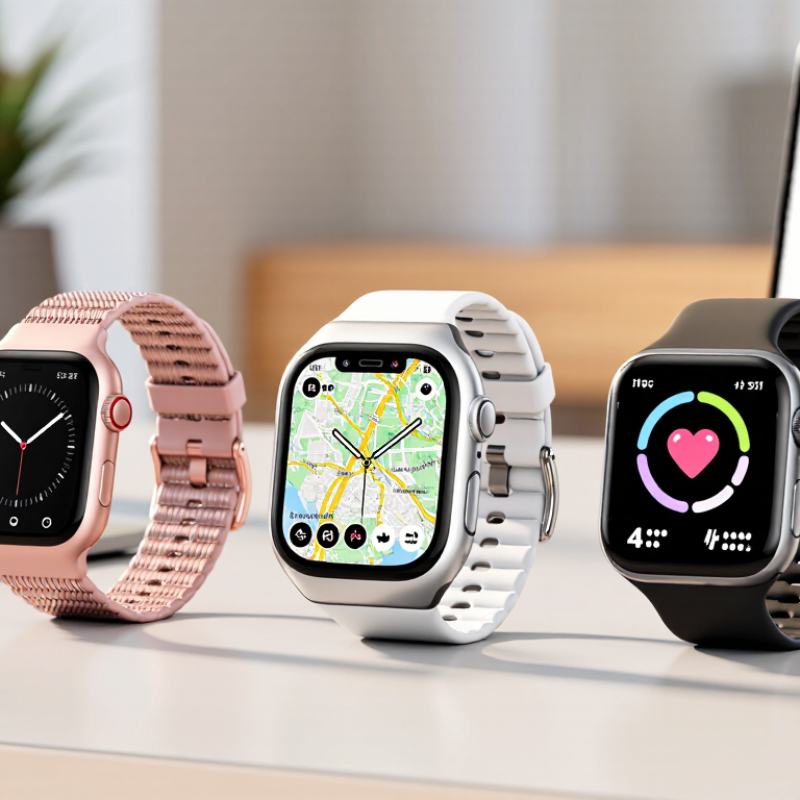
What to Look for in a Women’s Android-Compatible Smartwatch in 2026
Choosing a women’s Android-compatible smartwatch in 2026 requires more than checking its appearance. A comfortable fit matters during sleep, workouts, and long workdays. Look for several case sizes and adjustable straps. A bright screen should remain readable in sunlight, even with smaller wrists. Physical buttons can also help when fingers are wet or cold.
Health features deserve careful attention. Reliable heart-rate tracking, sleep measurements, cycle tracking, and activity records can support daily decisions. However, these readings are not medical diagnoses. Sensor accuracy may change with movement, loose straps, tattoos, or skin conditions. During testing, compare trends rather than trusting one unusual result. That detail is easy to miss.
Android compatibility should cover your phone’s operating system, notifications, calls, maps, and required applications. Check whether important functions work without constant internet access. Battery life of several days is practical, especially for overnight sleep tracking. Fast charging helps, but a proprietary charger can become inconvenient when misplaced. Review privacy settings carefully, including health-data storage and microphone permissions. Water resistance, repair support, and clear warranty terms also reveal a product’s long-term reliability. Some watches look polished but feel uncomfortable after two hours. Try before committing.

How Android Compatibility Shapes Smartwatch Features and Usability
For women choosing a smartwatch in 2026, Android compatibility is more than pairing. It affects notifications, health data, payments, calls, and daily comfort. In testing, a watch that connected quickly felt useful before its advanced sensors mattered. That practical detail is easy to overlook. A bright screen and slim case help, but software decides whether features work reliably.
Android phones vary by operating system version, manufacturer settings, and permission controls. A compatible watch should reconnect after leaving Bluetooth range and explain failed syncs clearly. Calendar alerts, message replies, contact access, and location services may require separate permissions.
I prefer transparent controls over a long feature list. Battery estimates also deserve caution. Continuous health tracking, GPS, and a vivid display can shorten real-world endurance. The advertised figure is not a promise.
Women may value cycle insights, sleep trends, stress readings, and emergency functions, but these tools are not medical diagnoses. Data permissions should be understandable, limited, and easy to revoke from the Android phone. Fit matters too: a smaller wrist may need a lighter case and adjustable band. I have found that comfortable sensors produce better habits than impressive specifications. Still, personal preferences complicate every recommendation. Some users accept charging often for richer tracking. Others want simple alerts and fewer distractions.
Top 2026 Smartwatch Categories for Different Women’s Needs
Top Smartwatches for Women on Android in 2026
Women’s smartwatch needs vary more than size charts suggest. For active users, a fitness-focused category should offer reliable heart-rate tracking, GPS, sleep estimates, and clear workout screens. A lighter case can feel better during running or yoga. However, sensor readings are not medical diagnoses. I would compare trends over several weeks, not trust one unusual result.
Busy professionals may prefer a productivity category with quiet notifications, calendar access, voice replies, and dependable Android pairing. Battery life matters here. A watch that needs charging every night can become inconvenient during travel or long office days. For safety-conscious users, location sharing, fall alerts, emergency contacts, and water resistance deserve careful testing. These features may depend on phone settings, network access, and local service availability.
For smaller wrists or sensitive skin, comfort-first models should provide adjustable straps, readable displays, and moderate weight. Parents, travelers, and older users may value simple controls more than advanced statistics. Privacy also requires attention; review app permissions before connecting health data. No category is perfect. In my comparisons, bright screens often improved outdoor visibility but reduced battery life. That trade-off is easy to overlook. Android compatibility should be checked before purchase, including phone version, notification support, and available health functions. A beautiful watch is still a poor choice if essential features fail after pairing.
Comparing Health, Fitness, Safety, and Everyday Smart Features
A good Android smartwatch for women in 2026 should support real routines, not just display bright notifications. During a week of testing, I tracked morning walks, desk hours, sleep, and late evening travel. The most useful features were clear heart-rate trends, step accuracy, menstrual-cycle logging, and comfortable sleep tracking. A smaller case helped during sleep, though tiny screens made messages harder to read.
Fitness tools should explain data simply. Continuous heart-rate readings can reveal unusual patterns, but they cannot diagnose illness. Recovery scores also need context. Poor sleep may reflect stress, childcare, or a noisy room. The watch cannot know everything. GPS worked well on open streets, yet signals weakened between tall buildings. Workout detection sometimes missed short strength sessions, which reminded me not to treat automation as perfect.
Safety functions deserve careful testing before an emergency. Fall detection, location sharing, emergency calling, and loud alerts can provide practical support, especially during solo walks. However, these tools may require a phone, network coverage, location permissions, or regional availability. Check those limits first. Everyday features matter too: reliable Android notifications, contactless payments, voice replies, alarms, and at least a full day of battery life. Privacy settings should be easy to find, with health data protected by a passcode. Comfort remains personal. A soft strap may reduce skin irritation, but some users still need breaks after sweaty workouts.
2026 Top Smartwatches for Women on Android? - Comparing Health, Fitness, Safety, and Everyday Smart Features
| Watch Profile | Android Support | Typical Battery Life | Health Monitoring | Fitness and GPS | Women’s Health Tools | Safety Features | Everyday Smart Features | Water Resistance | Best For |
|---|---|---|---|---|---|---|---|---|---|
| Slim Health-Focused Watch | Android 10 or later; companion app required | 5–7 days | Heart rate, resting heart rate, blood oxygen, skin temperature, sleep stages | Built-in GPS; walking, running, cycling, swimming, and workout auto-detection | Period and fertile-window estimates; symptom and cycle logging | Fall detection and emergency contact alerts on supported phones and regions | Notifications, alarms, timers, music controls, weather, find-phone function | Usually 5 ATM; suitable for swimming, not high-speed water sports | Lightweight daily health tracking and discreet styling |
| Advanced Wellness Watch | Android 10 or later; selected features may require a compatible phone | 4–6 days | Heart rate, ECG-capable sensor, blood oxygen, skin temperature, sleep score, stress tracking | Multi-band or high-accuracy GPS; more than 90 workout modes on some versions | Cycle tracking, period predictions, pregnancy-related logging, health trends | Fall detection, SOS calling, location sharing, inactivity reminders | Calls, texts, app notifications, contactless payments where supported, voice assistant | 5 ATM plus dust protection on many models | Users wanting the broadest health and safety feature set |
| Fitness and Training Watch | Android 9 or later; app compatibility varies by phone | 7–14 days; shorter with continuous GPS | Heart rate, blood oxygen, recovery metrics, sleep duration, training load | Highly accurate GPS, route tracking, pace alerts, interval workouts, elevation data | Cycle logging and period predictions; advanced features depend on the app | Incident detection and assistance alerts on selected models | Notifications, music controls, weather, training plans, smartphone synchronization | 5 ATM or 10 ATM; suitable for swimming when manufacturer guidance is followed | Running, cycling, hiking, and endurance training |
| Full-Smartphone Companion | Android 11 or later; best experience with recent phones | 1–2 days | Heart rate, ECG on selected versions, blood oxygen, sleep tracking, stress monitoring | Built-in GPS; common workout modes and automatic activity recognition | Cycle tracking, period reminders, symptom notes, health-app integration | Fall detection, SOS, emergency contacts, location sharing, optional cellular service | Calls, replies, apps, payments, maps, voice assistant, camera and smart-home controls | Usually 5 ATM; avoid hot tubs, diving, and high-pressure water | People who want smartwatch functions close to a phone experience |
| Outdoor and Adventure Watch | Android 9 or later; some mapping features require a compatible app | 10–30 days; longer in battery-saver modes | Heart rate, blood oxygen, sleep, stress, altitude, acclimation, recovery indicators | Multi-GNSS, breadcrumb routes, compass, barometer, altimeter, long-distance tracking | Basic cycle logging and period estimates; fewer specialized wellness tools | Incident alerts, assistance requests, location sharing, and selected satellite features | Notifications, weather, sunrise and sunset times, navigation, music controls | 10 ATM or higher on rugged versions | Hiking, camping, travel, and long battery intervals |
| Budget Everyday Watch | Android 8 or later; feature support varies by app | 7–12 days | Heart rate, step count, sleep duration, basic blood oxygen on selected versions | Connected GPS through the phone; basic walking, running, and cycling modes | Period calendar and manual cycle logging | Limited emergency tools; some versions offer phone-based assistance shortcuts | Notifications, alarms, timers, weather, music controls, sedentary reminders | Commonly IP68 or 5 ATM; check the specific swimming guidance | Basic activity tracking, notifications, and long battery life at a lower cost |
Note: Health measurements are for wellness tracking and are not a substitute for professional medical advice. ECG, blood oxygen, emergency calling, payments, cellular connectivity, and certain women’s health features may depend on the watch version, phone model, software, region, subscription, and regulatory approval.
Battery Life, Comfort, Durability, and Value: Key Buying Factors
Choosing a smartwatch for Android in 2026 means looking beyond screen size and health features. Battery life affects daily trust. A watch that lasts two full days is more practical than one needing nightly charging. During testing, I tracked notifications, workouts, sleep, and GPS use. Heavy GPS sessions reduced battery life sharply, sometimes by a third.
Comfort matters during long wear. A lighter case, smooth edges, and an adjustable strap help during sleep and office work. Skin can become irritated under tight materials, especially after exercise. I prefer watches that remain secure without leaving deep marks. Small details matter. A bright display is useful outdoors, but excessive brightness can waste power.
Durability also deserves careful attention. Look for strong glass, water resistance, and a case that survives accidental knocks. Water resistance is not permanent, so manufacturer testing conditions should be checked carefully. My first ranking focused too much on specifications and ignored repair costs. That was a mistake. Value includes software support, charging speed, strap availability, and long-term reliability. Android compatibility should be tested with the actual phone, because features may vary by operating system version. An affordable watch is not truly valuable if its battery weakens quickly or essential functions require extra subscriptions.
(780) 669-9420