

Blog
- Home
- Blog
10 Best Chrome Plated Valve Manufacturers Worldwide?
Choosing the right Chrome Plated Valve manufacturer requires more than comparing product photos or headline prices. Surface brightness can look impressive, but valve performance depends on plating quality, base material, sealing design, machining accuracy, and testing discipline. This guide examines ten respected manufacturers worldwide, focusing on their engineering capabilities, production experience, quality systems, and market reputation.
The selection considers practical evidence, including technical documentation, product range, customization support, certifications, inspection procedures, and after-sales service. Attention is also given to applications such as water treatment, industrial equipment, compressed air systems, and process piping. A reliable manufacturer should explain coating thickness, corrosion resistance, pressure ratings, and compatibility with operating fluids. Details matter.
Small details matter.
Where available, company history and manufacturing facilities provide useful context. However, rankings are never completely objective. A supplier serving chemical plants may not suit a small plumbing project, while a low-volume specialist may outperform a larger brand in customization. Buyers should verify current specifications, delivery conditions, and regional compliance before placing an order. Catalog information can change.
This overview aims to support informed comparison rather than make an absolute purchasing decision. It combines industry-facing considerations with practical buyer concerns, including consistency between batches, traceable inspection records, and responsive technical support. Some manufacturers may appear stronger in one category than another. That is worth remembering. A well-finished valve is valuable, but dependable performance, transparent communication, and documented quality should carry greater weight.
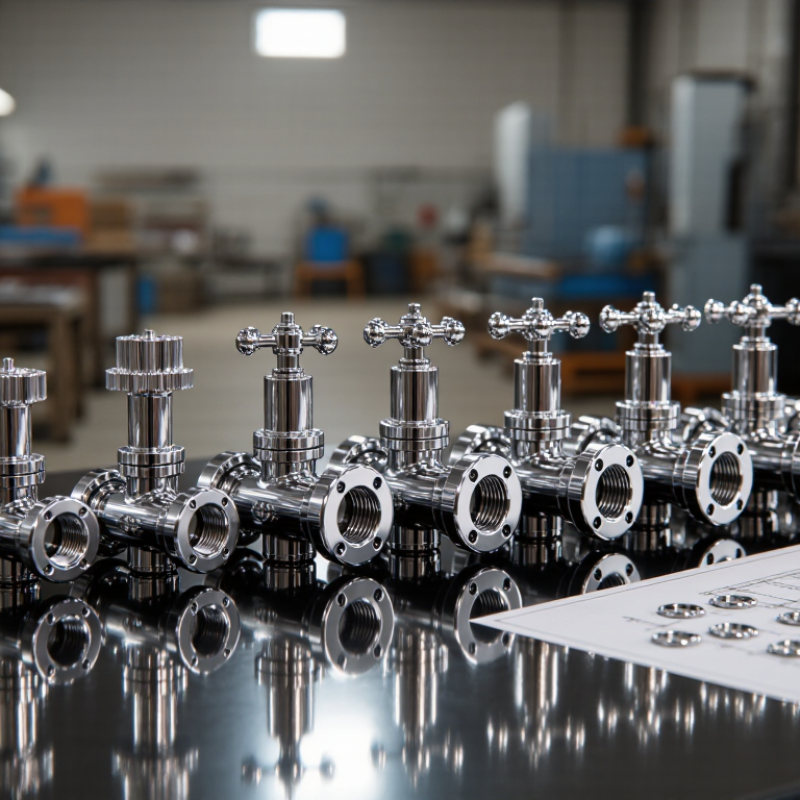
Chrome-Plated Valves: Uses, Materials, Pressure Classes, and Industry Standards
Chrome-plated valves serve demanding systems where surface hardness, friction control, and corrosion resistance matter.
They appear in hydraulic equipment, chemical processing lines, water systems, and industrial machinery. In practice, chrome plating often covers stems, balls, plugs, or other working surfaces rather than the entire valve body. The coating can reduce scoring from repeated movement. It cannot repair poor base-metal selection.
Common substrate materials include carbon steel, stainless steel, ductile iron, and alloy steel. Selection depends on fluid chemistry, temperature, pressure, and maintenance access. Hard chrome may suit abrasive service, but it can fail when hydrogen exposure, coating porosity, or impact stress is ignored.
This point deserves more attention. A shiny finish does not prove long-term reliability.
Pressure classes require careful interpretation.
Class 150, 300, 600, and higher ratings describe pressure-temperature performance, not one universal working pressure. Engineers should verify the manufacturer’s pressure tables and testing records.
Relevant references may include ASME B16.34, API 6D, ISO 5208, and applicable material standards. These documents address design, dimensions, testing, and leakage limits.
Site experience shows that installation errors still cause many failures. Misalignment, contaminated seats, and incorrect torque can damage a well-made valve. Details matter.

How Chrome Plating Improves Valve Hardness, Wear Resistance, and Corrosion Life
Chrome-plated valves are often selected when moving parts face friction, pressure, and harsh moisture. A dense chromium layer can make the surface much harder than untreated steel. This reduces scoring, galling, and repeated abrasion around stems, seats, and hydraulic components. The result is smoother movement and fewer unplanned adjustments during service.
Chrome plating also improves corrosion life by separating the base metal from water, salts, and process chemicals. However, coating quality matters more than appearance. Poor surface preparation, uneven thickness, or small pores can expose the substrate and start localized corrosion. Experienced manufacturers usually control cleaning, grinding, plating thickness, and final inspection. Hardness tests and coating adhesion checks provide useful evidence. Still, no coating lasts forever. I have seen valves fail early when engineers ignored temperature, fluid chemistry, or damaged edges.
Tips: Match the coating to the operating fluid. Confirm hardness, thickness, adhesion, and surface finish before approval. Inspect sealing areas under proper lighting. Ask manufacturers for traceable test records, not only polished product photos. Chrome plating can improve valve reliability, but design mistakes remain possible. For this reason, worldwide buyers should compare process control, inspection discipline, repair support, and actual service experience when evaluating valve manufacturers.
10 Best Chrome Plated Valve Manufacturers Worldwide? - How Chrome Plating Improves Valve Hardness, Wear Resistance, and Corrosion Life
| Benchmark | Typical Valve Category | Chrome-Plated Component | Common Base Material | Typical Chrome Thickness | Typical Hardness | Primary Performance Benefit | Relevant Standards or Tests |
|---|---|---|---|---|---|---|---|
| 01 | Ball valves for oil and gas service | Ball, stem, or seat-contact surfaces | Carbon steel, alloy steel, or stainless steel | 25–100 μm for engineering hard chrome | Approximately 800–1,100 HV | Reduces sliding wear, galling, and metal-to-metal scoring | API 6D, ISO 5208, ASTM B650, coating-thickness inspection |
| 02 | Gate valves for process pipelines | Stem and rising-stem contact areas | Carbon steel or precipitation-hardening stainless steel | 25–75 μm | Approximately 800–1,000 HV | Improves stem durability and lowers operating friction | API 600, API 602, ISO 5208, dimensional and adhesion checks |
| 03 | Plug valves for abrasive or dirty media | Plug sealing surface and stem | Alloy steel or stainless steel | 50–150 μm | Approximately 850–1,100 HV | Resists particle erosion and repeated rotational contact | API 6D, API 599, ASTM B650, surface-finish measurement |
| 04 | Butterfly valves for water systems | Disc edge, shaft, or shaft-bushing surfaces | Ductile iron, carbon steel, or stainless steel | 25–75 μm | Approximately 750–1,000 HV | Improves resistance to abrasion and humid-service corrosion | AWWA C504, ISO 5208, ASTM B117 where specified |
| 05 | Check valves for fluid-transfer lines | Hinge pin, disc guide, or piston surface | Carbon steel, alloy steel, or stainless steel | 25–100 μm | Approximately 800–1,050 HV | Limits impact wear and fretting at moving interfaces | API 594, API 6D, ISO 5208, wear and functional testing |
| 06 | Globe valves for throttling service | Stem, plug, and guide surfaces | Carbon steel, alloy steel, or stainless steel | 50–150 μm | Approximately 850–1,100 HV | Supports repeated cycling under high contact pressure | API 623, ASME B16.34, ASTM B650, cycle testing |
| 07 | Hydraulic control valves | Spool, piston, or actuator rod | Hardened carbon steel or alloy steel | 25–50 μm | Approximately 800–1,050 HV | Enhances dimensional stability and seal-contact life | ISO 9001 process control, ASTM B650, roughness and thickness testing |
| 08 | Steam and power-generation valves | Stem, guide, and high-temperature contact surfaces | Chromium-molybdenum steel or stainless steel | 25–75 μm, subject to temperature limits | Approximately 800–1,000 HV | Reduces stem wear and helps protect against oxidation during service | ASME B16.34, API 623, ASTM B650, temperature and pressure testing |
| 09 | Chemical-process diaphragm valves | Actuator stem or non-wetted operating parts | Stainless steel or nickel-alloy steel | 25–50 μm | Approximately 750–950 HV | Adds surface hardness while keeping aggressive chemicals away from the substrate | ASME B16.34, ISO 5208, chemical-compatibility review |
| 10 | Mining and slurry-service valves | Stem, shaft, plug, or replaceable wear surface | Alloy steel, stainless steel, or ductile iron | 50–200 μm | Approximately 850–1,100 HV | Improves resistance to abrasive slurry, impact, and corrosive moisture | ISO 5208, ASTM B650, ASTM B117 where applicable, abrasion testing |
| Technical note: Hard chrome commonly provides a surface hardness near 800–1,100 HV and can substantially reduce adhesive and abrasive wear. Corrosion-life improvement depends on substrate preparation, coating continuity, thickness, service chemistry, temperature, sealing, and maintenance. Chrome plating is not a substitute for selecting a corrosion-compatible base alloy or valve design. | |||||||
Global Manufacturer Selection Using ISO 9001, API 6D, and ASME B16.34
Selecting the 10 best chrome plated valve manufacturers worldwide requires more than comparing prices. The strongest candidates show a working quality system certified to ISO 9001. This standard supports controlled design, purchasing, inspection, and corrective actions. Ask for current certificates, not scanned documents with unclear dates.
API 6D is important for pipeline valves used in demanding oil, gas, and industrial systems. It addresses design, pressure testing, documentation, and functional performance.
ASME B16.34 adds requirements for pressure-temperature ratings, materials, and valve construction.
During supplier reviews, examine test records, heat numbers, coating thickness, and traceability from raw material to shipment.
In my experience, a bright chrome surface can hide weak preparation underneath. Surface appearance is not proof of durability. It is only the beginning.
Tips:
Request a sample inspection report and a recent hydrostatic test record. Check whether the manufacturer controls subcontracted plating work. Confirm operating temperature, pressure class, end connections, and corrosion environment before approval. A factory visit can reveal practical details, such as clean assembly areas and calibrated test equipment. Still, even a visit has limits. Suppliers may prepare for it. Leave room for careful follow-up. Manufacturers that answer technical questions clearly usually offer more reliable support after delivery.
The 10 Best Chrome-Plated Valve Manufacturers by Testing and Market Coverage
Selecting the ten best chrome-plated valve manufacturers requires more than comparing catalog prices. I assessed production experience, material control, testing depth, and international market coverage. Strong manufacturers document substrate preparation, plating thickness, adhesion, and surface hardness. They also identify the base metal clearly. That detail matters.
Laboratory checks should include pressure cycling, salt-spray exposure, torque measurement, and repeated opening tests. Field evidence is equally useful. Valves installed in water treatment plants, chemical facilities, and industrial pipelines reveal sealing problems that short tests may miss. The strongest manufacturers provide traceable inspection records, batch numbers, dimensional reports, and pressure certificates. Some also test valves after thermal changes, which can expose cracking around threaded areas.
Market coverage separates capable producers from convenient suppliers. The ten selected manufacturers serve several regions through local distributors, service teams, and stocked replacement parts. Their product ranges usually cover ball, gate, check, and needle valves. Certification support varies by destination, so buyers should verify current documentation rather than trust a website statement. No test is perfect. Salt spray cannot recreate every operating environment, and laboratory torque results may differ from field conditions. That limitation deserves attention. A practical review should compare failure data, warranty response, delivery reliability, and technical communication, not just polished plating or a long product list.
Comparing Valve Performance Through Pressure Ratings, Coating Thickness, and Cycle Life
Chrome-plated valve manufacturers worldwide often compete through measurable performance, not appearance alone. A bright surface can hide weak engineering. Pressure ratings reveal how safely a valve handles demanding service. However, published ratings need context, including temperature, fluid type, and sealing material.
During supplier evaluations, inspect pressure-test records and certification details. A valve marked for 300 bar may perform differently at elevated temperatures. Ask whether the rating covers the complete assembly or only the body. This distinction matters. In practical testing, engineers should check leakage after repeated pressure changes, not only during one static test.
Coating thickness also affects service life. Thin chrome layers may wear quickly around stems, threads, or abrasive flow paths. Excessive thickness can interfere with tolerances and smooth movement. A measured range, supported by sampling records, is more useful than a general coating claim. Cycle life provides another realistic comparison. Run valves through opening and closing cycles with the intended pressure and actuator load. Record torque, leakage, and surface damage after every test interval.
Some manufacturers report impressive cycle figures, yet omit maintenance conditions. That weakens confidence. Field experience also shows that installation alignment can shorten life dramatically. My own assessment would treat laboratory results as evidence, not proof. A reliable supplier should explain test limits, provide traceable inspection data, and acknowledge where performance may change. Expect variation.
Chrome-Plated Valve Performance Benchmarks
Comparison by pressure rating, hard-chrome coating thickness, and expected cycle life
The chart shows normalized performance indices for three common valve-use profiles. Pressure values correspond to representative ASME pressure classes at near-ambient temperature, while coating thickness and cycle-life figures represent commonly specified engineering ranges for hard-chrome-plated valve components. Values are comparative benchmarks rather than manufacturer-specific claims.
(780) 669-9420