
Maximize Quality Control with AI Vision Inspection Solutions?

In today's manufacturing landscape, quality control is paramount. Companies invest significantly in inspection processes to maintain high standards. According to a recent McKinsey report, businesses that implement advanced technologies can reduce defects by up to 30%. Ai Vision Inspection stands at the forefront of this evolution, offering precise and efficient solutions. These systems are capable of identifying faults that human inspectors might overlook.

The adoption of AI Vision Inspection is changing the game. A survey from Deloitte indicates that 57% of manufacturers have adopted AI to enhance their inspection capabilities. However, challenges remain. Companies must address data integration and training needs to fully harness the power of AI. It is crucial to consider the balance between automation and human oversight. Without careful implementation, companies risk overlooking critical quality control aspects that ensure product reliability.

As organizations seek to maximize quality control, embracing AI Vision Inspection can lead to substantial improvements. Nonetheless, it is essential to continuously evaluate these systems. Quality assurance is not just about technology; it requires a commitment to ongoing learning and adaptation. This approach ensures that manufacturers stay competitive while maintaining product excellence.
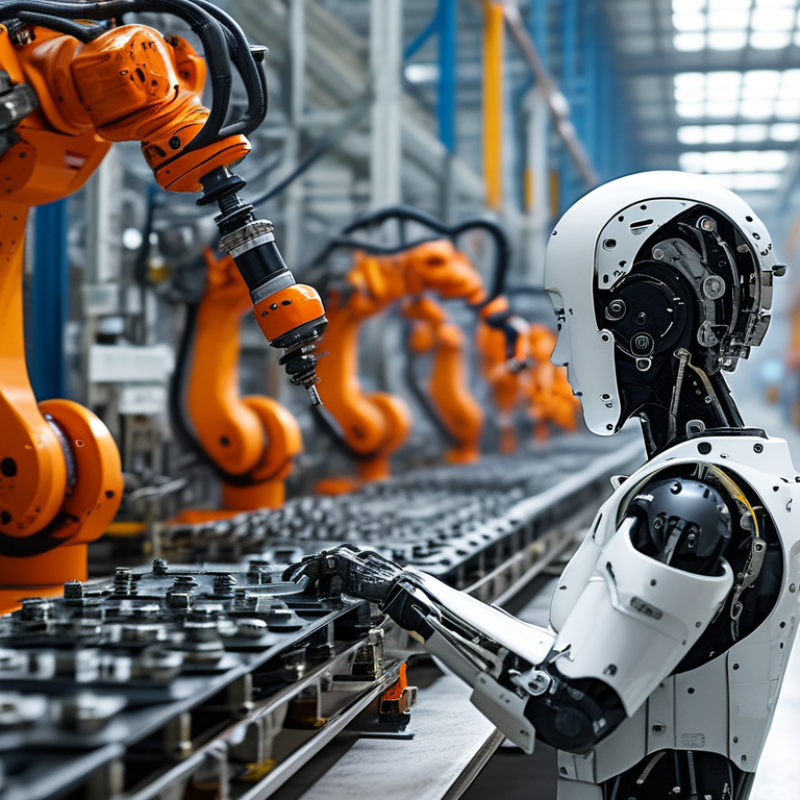
Maximize Quality Control with AI Vision Inspection Solutions?

Understanding AI Vision Inspection in Quality Control

In the realm of quality control, AI vision inspection has emerged as a powerful tool. This technology uses advanced algorithms to analyze images and detect defects in real-time. Manufacturers can enhance their processes by adopting AI-driven solutions. Such systems promise efficiency and accuracy. However, the implementation journey is not without its flaws.

It’s important to consider the learning curve associated with AI systems. Training models require significant data. Poorly labeled data can lead to incorrect assessments and costly mistakes. Calibration of vision systems is also crucial. Misalignments can produce false positives or negatives, leading to production delays. Companies must regularly evaluate these systems for optimal performance.

Moreover, integrating AI vision into existing workflows can pose challenges. Employees may resist the change or struggle to adapt. Continuous training and support are necessary to ensure a smooth transition. Feedback from human operators can significantly improve the AI's learning process. Balancing human oversight with machine efficiency is essential for sustained success.

Maximize Quality Control with AI Vision Inspection Solutions

Inspection Type Application Area Accuracy (%) Processing Speed (items/min) Cost Reduction (%)
Defect Detection Manufacturing 98 120 30
Component Verification Electronics 95 150 25
Surface Analysis Automotive 97 100 20
Size Measurement Pharmaceuticals 99 80 15
Product Classification Food & Beverage 96 200 28

Key Technologies Behind AI Vision Inspection Systems

Artificial intelligence (AI) vision inspection systems have transformed quality control in various industries. These solutions leverage advanced technologies like machine learning and computer vision. According to a recent report by MarketsandMarkets, the AI in the manufacturing market is projected to reach $16.7 billion by 2026, growing at a CAGR of 49.6%. This surge reflects the increasing demand for efficiency and precision in production lines.

Critical technologies powering AI vision systems include deep learning algorithms and high-resolution imaging. Deep learning enhances the ability of machines to recognize patterns and anomalies. High-resolution cameras capture minute details, enabling better defect detection. However, companies may face challenges when implementing these technologies. The initial setup can be costly, and staff training is essential for effective utilization. Misunderstanding AI capabilities can lead to underperformance.

Tip: Regularly update your AI vision systems to stay ahead. Continuous learning improves the accuracy of defect detection. Engage with expert teams to ensure proper integration within existing processes.

Another key component is data processing speed. Real-time analysis is crucial in maintaining production flow. If systems lag, it can lead to bottlenecks. Reports show that integrating AI can reduce inspection time by up to 90%. Yet, reliance solely on technology can obscure human judgment's value. Striking a balance between AI-driven insights and human expertise is necessary for optimal quality control.

Benefits of Implementing AI for Quality Control Processes

Integrating AI vision inspection solutions into quality control processes brings numerous benefits. One significant advantage is the precision that AI offers. Traditional methods often rely on human judgment, which can be inconsistent. In contrast, AI systems analyze images and data with remarkable accuracy, leading to fewer defects in products. This precision reduces waste and enhances customer satisfaction.

Another benefit is speed. AI can process images at a faster rate than humans. This allows for real-time inspections during production. Fewer delays mean higher overall productivity. Companies can respond quickly to issues, minimizing downtime. However, it’s crucial to remember that relying solely on AI can lead to overconfidence. Regular updates and checks are necessary to ensure the system remains efficient.

Cost savings also play a vital role in this transition. While the initial setup costs may be high, the long-term savings are substantial. Increased efficiency often leads to a lower cost per unit. Yet, organizations must evaluate their specific needs carefully. An overly automated system can sometimes overlook nuances. Balancing technology with human inspection is essential for optimal results.

Challenges and Limitations of AI Vision Inspection Solutions

AI vision inspection solutions have become essential tools in quality control. However, various challenges and limitations persist. One significant issue is reliance on high-quality data for effective learning. If the training data is biased or insufficient, the system may not perform well in real-world applications. This can lead to errors in defect detection and impact overall product quality.

Another challenge is dealing with variations in lighting and backgrounds. Different environments can confuse AI systems, complicating the inspection process. For example, items passing through an inspection line may appear differently under varying lighting conditions. This inconsistency might result in false positives or missed defects. These complications highlight the need for ongoing refinement and testing.

Integration with existing production lines is often complex. Many facilities have legacy systems, making seamless incorporation of AI solutions challenging. Workers may also resist changes due to fear of job displacement or unfamiliarity with new technology. Addressing these factors is crucial. Organizations should invest in training and change management. This approach can help maximize the effectiveness of AI vision inspection solutions and ensure smoother transitions.

Future Trends in AI Vision Inspection for Enhanced Quality Control

The evolution of AI vision inspection is reshaping quality control across various industries. Recent studies indicate that up to 80% of manufacturers are implementing vision systems to enhance inspection processes. These AI solutions significantly reduce human error, ensuring consistent quality in production lines. Visual data analytics provide insights that were previously unattainable, enhancing decision-making.

Future trends indicate that these systems will integrate more seamlessly with IoT devices. For instance, real-time monitoring of production quality via cloud-based platforms could become standard. However, challenges remain. Many companies face obstacles in data integration and personnel training. Inadequate data can lead to erroneous conclusions, highlighting the need for continuous improvement.

Moreover, as AI technology advances, ethical considerations arise. The reliance on machine learning raises questions about accountability. Data privacy and bias in algorithms must be addressed. The potential for misinterpretation of visual data necessitates a cautious approach. Striking a balance between automation and human oversight will be crucial for effective quality control moving forward.

×
img

    Contact Info

    Phone number

    661-392-8948

    Address info

    3451 Pegasus Drive, Bakersfield, CA USA