What is LED Corn Bulbs and How Do They Work?
LED Corn Bulbs have transformed modern lighting, offering energy-efficient alternatives to traditional incandescent options. According to Dr. Emily Carter, an expert in sustainable lighting technologies, "LED Corn Bulbs are the future of efficient lighting solutions." These innovative bulbs are designed in the shape of corn, maximizing light output while minimizing energy consumption.
The technology behind LED Corn Bulbs is impressive yet sometimes misunderstood. They work by converting electrical energy into light through semiconductor diodes, which are more efficient than the old filament bulbs. Many users are unaware of how much energy they can save by making this switch. For instance, an LED Corn Bulb uses up to 80% less energy than its incandescent counterparts.
However, there are still challenges to address. Not all LED Corn Bulbs are created equal; quality varies widely. Some bulbs may emit a harsh light color or flicker, which can impact user experience. Choosing high-quality products can be overwhelming, especially with so many options available. This highlights the need for consumers to research and reflect on their choices carefully.
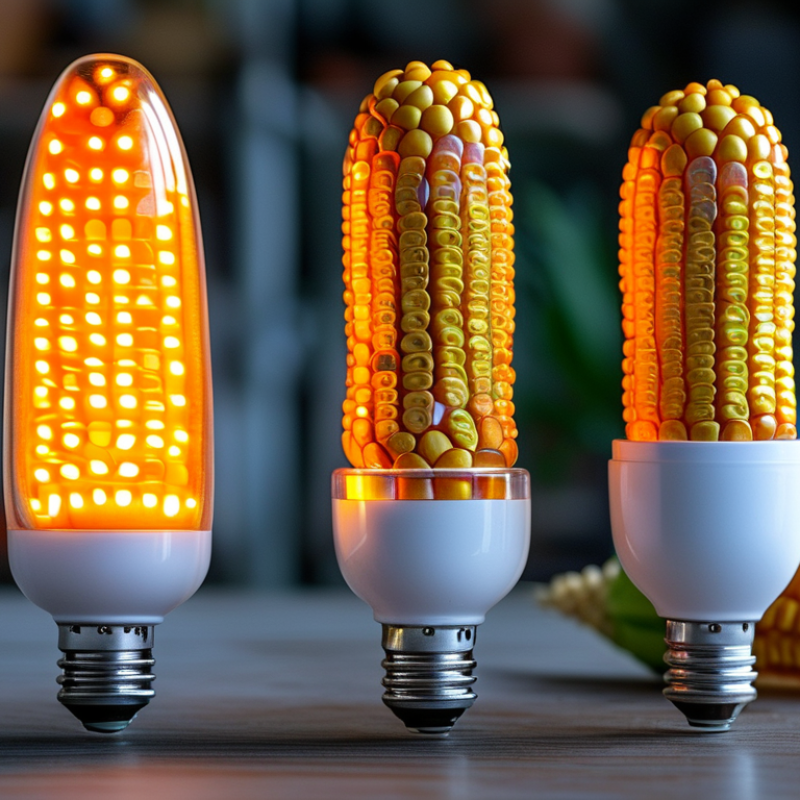
What are LED Corn Bulbs and Their Main Characteristics
LED corn bulbs are lighting devices designed to replace traditional incandescent or fluorescent bulbs. They have a distinct design that resembles corn kernels, hence the name. These bulbs typically feature a cylindrical shape with multiple LED chips arranged uniformly. The most common applications include street lighting, parking lots, and indoor commercial spaces. According to the U.S. Department of Energy, LED technology's energy efficiency can be up to 80% greater than that of conventional lighting.
One important characteristic of LED corn bulbs is their longevity. Many can last 25,000 to 50,000 hours. This lifespan significantly reduces the need for frequent replacements, which can be costly and time-consuming. Additionally, these bulbs emit less heat, which increases their energy efficiency. A report by the Energy Savings Trust indicates that switching from traditional bulbs to LED can lower electricity bills by approximately 75%. Such savings make LED corn bulbs an appealing choice for both businesses and homeowners.
While the benefits are substantial, there are challenges. Some users report issues with initial costs and dimming capabilities. Not all LED corn bulbs provide the same light quality, which may affect mood and productivity. As with any technology, further research and experimentation are needed to refine these products. Understanding these dynamics can help consumers make informed decisions when transitioning to LED lighting solutions.
The Technology Behind LED Corn Bulbs: How They Produce Light
LED corn bulbs are an innovative lighting solution, designed to effectively replace traditional incandescent or fluorescent bulbs. The technology behind these bulbs is quite fascinating. They utilize LED (Light Emitting Diode) technology, which generates light through electroluminescence. This means that when electric current passes through a semiconductor material, it emits light. This process is not only energy efficient but also results in lower heat production compared to traditional bulbs.
One notable aspect of LED corn bulbs is their impressive lifespan. They can last up to 25,000 hours or more, significantly outlasting many conventional options. Their structure mimics the shape of corn, allowing for multi-directional light output. The arrangement of multiple LED chips within the bulb ensures an even distribution of light, minimizing dark spots often found in older bulb types.
Tips: When choosing LED corn bulbs, consider the color temperature. Warmer temperatures (around 2700K) create a cozy atmosphere, while cooler ones (over 5000K) are ideal for task lighting.
To maximize efficiency, it’s beneficial to use LED corn bulbs in well-ventilated fixtures. This helps dissipate heat more effectively, promoting longer life. While they are generally reliable, it's essential to check the compatibility with existing fixtures. Not all fixtures work with LED technology, leading to potential issues. Understanding these details can enhance your experience with LED lighting.
Energy Efficiency Comparison: LED Corn Bulbs vs. Traditional Bulbs
LED corn bulbs are gaining popularity due to their impressive energy efficiency compared to traditional incandescent or fluorescent bulbs. Research indicates that LED bulbs consume up to 80% less energy than their incandescent counterparts. This significant reduction can lead to substantial savings on electricity bills over time. For instance, an LED corn bulb that utilizes only 15 watts can produce the same brightness as a 100-watt incandescent bulb.
Moreover, the longevity of LED corn bulbs adds to their appeal. They can last up to 25,000 hours, whereas traditional bulbs typically last around 1,000 hours. This means fewer replacements and reduced waste. However, it's essential to consider the initial cost. LED bulbs may have a higher upfront price. Yet, the overall operational costs tend to favor LEDs in the long run.
While the advantages are evident, some consumers express concerns about light quality. Some LEDs may produce a harsher light compared to traditional options, leading to discomfort. Adjusting to the quality of light from LEDs may take time. Yet, the trend towards more energy-efficient lighting solutions seems undeniable and necessary for sustainable living.
What is LED Corn Bulbs and How Do They Work? - Energy Efficiency Comparison: LED Corn Bulbs vs. Traditional Bulbs
| Feature | LED Corn Bulbs | Traditional Bulbs |
| Lifespan | 25,000 - 50,000 hours | 1,000 - 2,000 hours |
| Energy Consumption | 10 - 30 watts | 60 - 100 watts |
| Light Output (Lumens) | 110 - 150 lumens/watt | 10 - 17 lumens/watt |
| Heat Emission | Low | High |
| Cost (per bulb) | $10 - $30 | $1 - $5 |
| Environmental Impact | Low (no mercury) | Higher (contains mercury) |
Applications of LED Corn Bulbs in Various Industries
LED corn bulbs have found applications in various industries due to their energy efficiency and versatility. In the retail sector, these bulbs provide bright, quality lighting that enhances product visibility. Reports indicate that LED lighting can reduce energy costs by up to 80%, which is significant for businesses looking to cut expenses. Additionally, the longer lifespan of LED corn bulbs means less frequent replacements. This reduces maintenance costs and downtime.
In manufacturing facilities, the use of LED corn bulbs boosts productivity. Workers benefit from better visibility while performing tasks. Studies have shown that improved lighting can increase worker efficiency by up to 20%. Many factories have adopted LED lighting as part of their sustainability initiatives. This shift can lead to significant reductions in carbon footprints, aligning with global sustainability goals.
The agricultural sector also embraces LED corn bulbs, especially in greenhouse settings. They provide suitable wavelengths for plant growth and can be used alongside sunlight. Some reports suggest that using LED lighting can enhance crop yields by up to 30%. However, the initial cost of transitioning to LEDs can be a barrier for some farmers. This highlights a need for further research and support in implementing this technology effectively.
Applications of LED Corn Bulbs in Various Industries
Market Trends and Growth Projections for LED Corn Bulbs
The market for LED corn bulbs is witnessing significant growth. According to a report by Fortune Business Insights, the global LED bulb market is projected to reach $77.5 billion by 2028, growing at a compound annual growth rate (CAGR) of 14.3%. This rise is driven by the shift towards energy-efficient lighting solutions in both residential and commercial sectors.
Growth in LED corn bulbs is particularly notable in industrial settings. The increasing demand for cost-effective lighting options that offer durability and longevity is changing the market landscape. Businesses are beginning to recognize the better return on investment through lower energy costs. Moreover, consumers are becoming more environmentally conscious, pushing manufacturers to innovate and provide sustainable solutions.
However, challenges remain. The initial purchase cost of LED corn bulbs can be higher than traditional lighting. This can deter budget-sensitive consumers and businesses from making the switch. Education about the long-term savings associated with LED technologies is vital. Without this understanding, the market may not reach its full potential. The growth projection of LED corn bulbs indicates a bright future, but overcoming these initial hurdles is essential for widespread adoption.
 (780) 669-9420