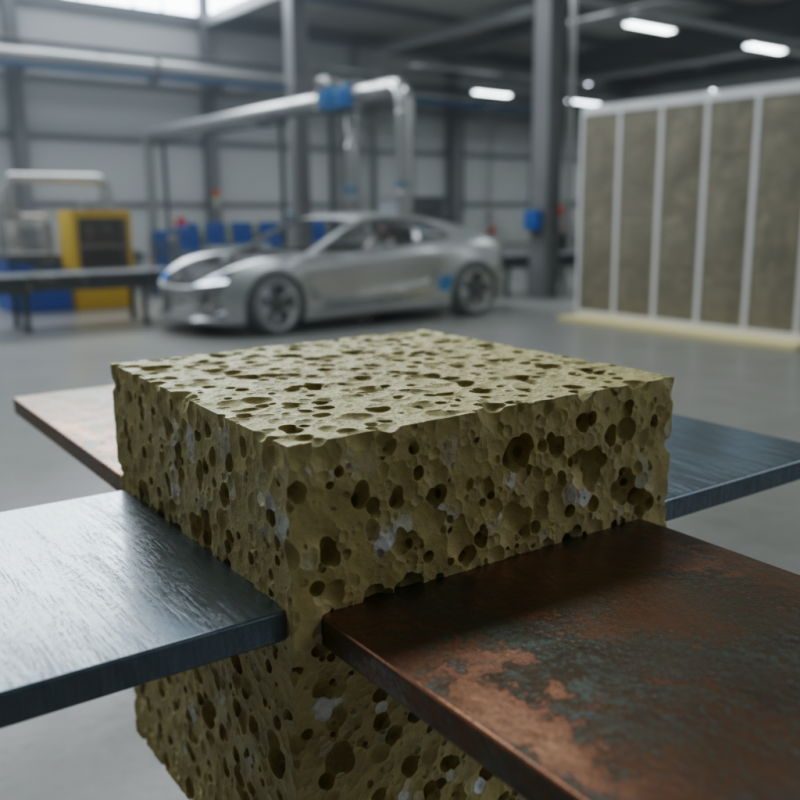
What is Industrial Polyurethane Foam and Its Key Applications?
Industrial Polyurethane Foam plays a crucial role across several sectors. This versatile material excels in various applications due to its remarkable properties. From construction to automotive, its durability and flexibility are unmatched.
Many industries depend on this foam for insulation and cushioning. The construction industry utilizes it for energy-efficient buildings. Its sound-absorbing qualities are valued in modern architecture. In the automotive sector, it contributes to lightweight designs and safety features.
However, despite its benefits, challenges remain. Environmental concerns about production and disposal persist. Additionally, ensuring product quality and safety is paramount. Thus, understanding Industrial Polyurethane Foam is essential for innovation and sustainability in industry applications.
What is Industrial Polyurethane Foam?
Industrial polyurethane foam, a versatile material, plays a significant role in various industries. Created through a chemical reaction between polyols and diisocyanates, this foam possesses unique properties. It is lightweight, flexible, and durable, making it suitable for diverse applications. The foam can be molded into different shapes and densities, catering to specific needs across various sectors.
In furniture production, polyurethane foam offers comfort and support in upholstery. It is commonly used in mattresses, providing optimal sleep quality. Moreover, in automotive manufacturing, it serves as insulation and cushioning. This enhances passenger safety and comfort. Additionally, it plays a vital role in thermal insulation for buildings, contributing to energy efficiency. The foam's adaptability ensures it meets the demands of different environments.
However, challenges exist. The production process generates waste, raising sustainability concerns. Some formulations may emit volatile organic compounds, impacting indoor air quality. Addressing these issues is essential for the industry's growth. As we continue to explore innovative uses for industrial polyurethane foam, considering its environmental impact remains crucial. Striking a balance between functionality and sustainability is a topic that requires ongoing reflection and improvement.
Applications of Industrial Polyurethane Foam
Industrial polyurethane foam is widely used in various applications due to its versatility and performance. This chart illustrates the annual usage of polyurethane foam across key sectors, highlighting its significance in industries such as furniture, automotive, insulation, packaging, footwear, and construction.
Key Characteristics of Industrial Polyurethane Foam
Industrial polyurethane foam is a versatile material known for its unique characteristics. Its lightweight structure contributes to its wide usage across various industries. With a density ranging between 0.5 to 20 pounds per cubic foot, it offers remarkable durability without substantial weight. This balance makes it ideal for applications in automotive, construction, and furniture industries.
One of the key characteristics of polyurethane foam is its exceptional thermal insulation properties. According to a 2021 report by the American Society of Heating, Refrigerating and Air-Conditioning Engineers, it can reduce energy costs by up to 30% in residential buildings when used as insulation. Moreover, the foam’s resistance to moisture and chemicals enhances its lifespan, making it suitable for harsh environments. However, the manufacturing process can sometimes lead to variability in foam quality, which raises questions about consistency in performance across different batches.
Flexibility is another significant trait of industrial polyurethane foam. It can be tailored to meet specific needs, with varying hardness levels. The foam can be rigid or flexible depending on its formulation. Still, the trade-off can sometimes be a lack of uniformity, leading to inconsistencies in performance. According to a study published by the Polyurethane Manufacturers Association, nearly 15% of manufacturers reported challenges with ensuring consistent product quality. These aspects highlight the importance of rigorous testing and quality control in the polyurethane foam industry.
Main Manufacturing Processes of Polyurethane Foam
Manufacturing polyurethane foam involves several key processes. The most common are slab stock, molded foam, and spray foam techniques. Each offers unique characteristics suited to various applications. According to a report by MarketsandMarkets, the global polyurethane foam market is projected to reach $65 billion by 2026. This growth highlights the importance of efficient manufacturing methods.
In slab stock production, raw materials are mixed and expanded into large blocks. These blocks can then be cut into various shapes and sizes. Molded foam is made by injecting foam into a specific mold, which allows for more complex designs. Both methods address diverse needs in industries like automotive, furniture, and packaging. The spray foam technique enables easy application for insulation and protective coatings. Industry experts have noted a 15% increase in demand for spray foam in construction, driven by energy efficiency regulations.
Despite advancements, challenges persist in consistency and waste generation. The foam manufacturing process can lead to environmental concerns due to off-gassing and chemical pollutants. Continuous improvements in technology are necessary to improve sustainability and efficiency. Companies must navigate these complexities while meeting growing market demands. The evolution of manufacturing processes for polyurethane foam remains an ongoing journey in innovation.
Primary Applications in the Furniture and Bedding Industries
Industrial polyurethane foam plays a significant role in the furniture and bedding industries. This versatile material is known for its excellent cushioning properties and durability. In furniture manufacturing, it is widely used for sofas, chairs, and other seating options. The foam provides comfort and support, enhancing the overall user experience. It can be molded into various shapes, allowing designers to innovate with styles and textures.
In the bedding industry, polyurethane foam is crucial for mattresses and pillows. It offers superb pressure relief, which can lead to better sleep quality. Many consumers seek mattresses that conform to their bodies, and this foam excels in that aspect. However, not all foam is created equal, and consumers may find variations in quality. Some foams may sag over time or lack the needed support.
When selecting polyurethane products, consider your needs. There’s a balance between comfort and durability. Some may prefer a softer feel, while others prioritize firmness. Exploring different types of foam can help you find the right fit. The industry continues to evolve, offering new innovations that enhance both comfort and sustainability.
What is Industrial Polyurethane Foam and Its Key Applications? - Primary Applications in the Furniture and Bedding Industries
| Application | Description | Characteristics | Typical Uses |
| Furniture | Used for cushioning in sofas, chairs, and other seating solutions. | Durable, comfortable, versatile. | Couches, armchairs, office chairs. |
| Bedding | Provides support and comfort in mattresses and pillows. | Supportive, hypoallergenic, pressure-relieving. | Mattresses, mattress toppers, pillows. |
| Automotive | Used for seating and sound insulation in vehicles. | Lightweight, safe, sound-absorbing. | Car seats, headliners, sound barriers. |
| Packaging | Protective foams for fragile items during shipping. | Impact-resistant, lightweight, customizable. | Electronics, glassware, machinery components. |
| Insulation | Thermal insulation in buildings and appliances. | Energy-efficient, moisture-resistant, lightweight. | Walls, roofs, refrigerators. |
Emerging Uses in Automotive and Construction Sectors
The automotive and construction sectors are increasingly turning to industrial polyurethane foam. It offers a blend of lightweight, durability, and insulation properties. According to a report by Grand View Research, the global polyurethane foam market size was valued at approximately $50 billion in 2020, and it's expected to grow significantly. The auto industry uses this foam for seats, dashboards, and insulation. Its flexible nature allows for comfortable seating while reducing vehicle weight, which enhances fuel efficiency.
In construction, polyurethane foam plays a crucial role as insulation material. Research shows that buildings insulated with this foam can achieve energy savings of up to 30%. This efficiency is vital as global energy consumption continues to rise. However, challenges remain. The production of polyurethane foam involves chemicals that can be harmful if not handled correctly. Sustainable practices are necessary to mitigate environmental impact.
Emerging uses also involve soundproofing applications, especially in urban developments. As cities grow louder, the demand for effective sound insulation is rising. Polyurethane foam can absorb sound, making it ideal for both residential and commercial spaces. This versatility highlights the need for ongoing innovation and responsible management in its production and application.
 (780) 669-9420