What is Industrial Cable and How Does It Benefit Your Business?
Industrial Cables play a crucial role in powering various sectors, from manufacturing to telecommunications. According to a recent market report by Research and Markets, the global industrial cable market is projected to reach $63 billion by 2025, reflecting a compound annual growth rate (CAGR) of 4.8%. This growth highlights the increasing demand for reliable electrical and communication solutions in industrial environments.
Industrial cable is designed to withstand harsh conditions, ensuring safety and efficiency. It is essential for machinery, automation systems, and data transmission. A robust industrial cable can enhance productivity and minimize downtime. However, the selection process can be overwhelming. Businesses need to consider factors like material, insulation type, and installation requirements.
Although many companies rely heavily on standard cables, this practice may not meet all operational needs. A one-size-fits-all approach can lead to inefficiencies and increased maintenance costs. Companies should evaluate their specific requirements and seek out industry expertise when choosing industrial cables. Addressing these factors is vital for optimizing performance and ensuring long-term success.
Definition of Industrial Cable and Its Key Characteristics
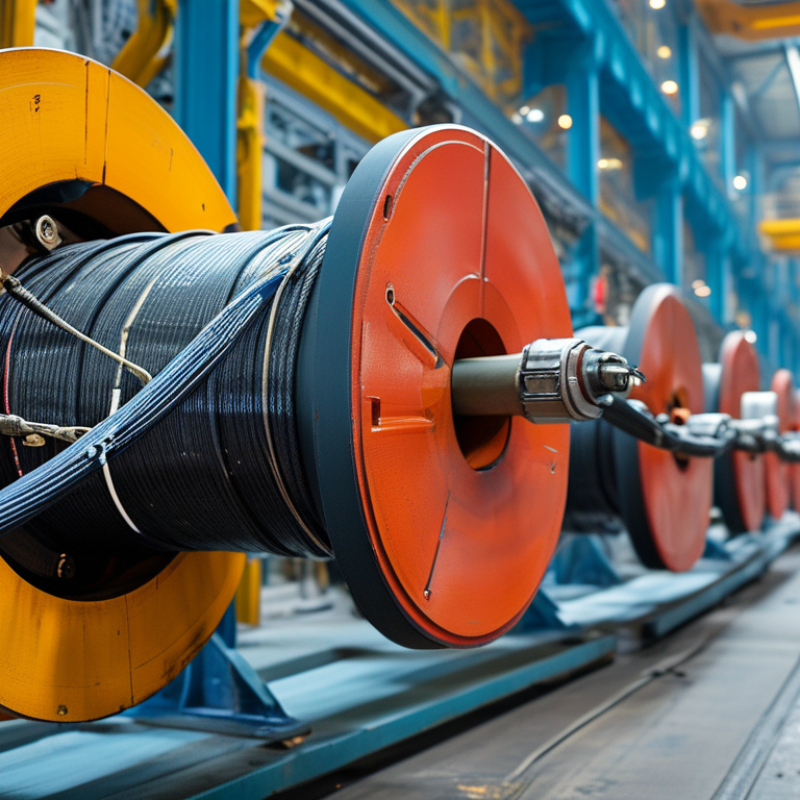
Industrial cables are specialized conductors designed for various applications in harsh environments. They are essential in industries such as manufacturing, oil and gas, and construction. These cables are built to withstand extreme temperatures, moisture, and mechanical stress. Their durability ensures consistent performance, which is critical for maintaining operational efficiency.
Key characteristics of industrial cables include their insulation types and sizes. Common materials for insulation are PVC, rubber, and thermoplastic elastomer. These materials offer resistance to chemicals and abrasion. The cables come in various sizes to accommodate different power and data transmission needs. Shielding is another vital feature. It protects against electromagnetic interference, ensuring reliable signal integrity.
Selecting the right industrial cable involves considering these characteristics. Misjudging requirements can lead to equipment failures. It is also worth noting that not all cables are suitable for every environment. Evaluating specific use cases is crucial. Ensure that the cables match the operational demands. This careful consideration can prevent costly downtimes and enhance your business performance.
Types of Industrial Cables Used in Various Industries
Industrial cables are essential for a wide range of applications across different industries. Each type of cable serves a specific purpose and offers unique benefits tailored to certain environments. In factory settings, for instance, flat cables and flexible cables are commonly used. They withstand harsh conditions and allow for easy movement. These cables enable equipment to function reliably, minimizing downtime.
In the energy sector, power cables are crucial for transmission and distribution. They are designed to handle high voltage and ensure safety. The robust construction of these cables prevents damage from environmental factors like moisture and temperature fluctuations. This makes them a vital component in maintaining power stability for businesses.
For communication needs, industrial Ethernet cables are increasingly popular. They provide fast and reliable data transfer in factory automation. However, relying solely on them may not be enough. Some businesses find that incorporating backup systems enhances their network's reliability. Each type of industrial cable has its strengths, but it’s essential to assess specific needs and potential drawbacks for optimal performance.
Advantages of Using Industrial Cables for Businesses
Industrial cables play a crucial role in various sectors, providing essential connections for machinery and equipment. Their robust design and versatility make them particularly advantageous for businesses. For example, a report by the International Energy Agency suggests that industries using high-quality cables experience up to 20% fewer failures in machinery due to electrical issues. This statistic highlights the relationship between reliable connections and improved operational efficiency.
Moreover, the use of industrial cables can lead to significant cost savings. A survey by the Electrical Power Research Institute reveals that companies investing in durable cabling systems can reduce maintenance costs by around 30%. This reduction not only optimizes budgets but also enhances productivity. However, it's important to note that not all cables are created equal. Businesses must choose cables that match their specific requirements, as mismatched cables can lead to increased friction and inefficiencies.
Safety is another vital factor. Industrial cables designed for high-pressure environments can prevent hazardous incidents. According to OSHA, improper cable management has been a contributing factor in 25% of workplace electrical accidents. Investing in suitable industrial cables can mitigate such risks. While these advantages are clear, businesses should continually assess their cabling solutions to ensure they meet evolving needs and technological advancements. Regular reviews can uncover potential areas for improvement and further optimize operations.
Applications of Industrial Cables in Modern Technology
Industrial cables play a crucial role in various modern technologies. They are essential in manufacturing facilities, data centers, and many other sectors. These cables ensure efficient power and data transmission, which is vital for operational success. Without them, equipment performance could suffer significantly.
In the automation sector, industrial cables connect sensors and machines, enabling seamless communication. This enhances productivity but poses challenges such as cable wear due to constant movement. In healthcare, reliable cables support medical devices, ensuring patient safety. Any failure can lead to serious consequences, underlining the need for high-quality materials.
Moreover, the use of industrial cables in renewable energy systems is growing. They help manage and distribute power from solar panels and wind turbines. Yet, the installation process can be complex, requiring skilled technicians. Navigating these applications is essential for businesses to harness their full potential effectively.
Applications of Industrial Cables in Modern Technology
Factors to Consider When Choosing Industrial Cables for Your Needs
When selecting industrial cables, it’s crucial to consider several key factors. First, assess the environment where cables will be used. Will they be exposed to harsh chemicals, extreme temperatures, or moisture? According to industry reports, nearly 70% of cable failures are due to environmental factors. Ensure your cables are rated for such conditions to enhance longevity.
Cable type is another important consideration. Different applications may require specific cable configurations. For instance, shielded cables can reduce electromagnetic interference, which is vital for sensitive equipment. A study by the National Electrical Manufacturers Association (NEMA) indicates that using the right cable can increase operational efficiency by up to 30%.
Tip: Always review compliance standards relevant to your industry. This ensures safety and performance.
Additionally, consider the cable’s flexibility and bend radius. Our industry has seen a 25% increase in projects needing flexible cables that can withstand tight spaces. Selecting the right cable can prevent damaging issues down the line.
Tip: Run regular audits on your cable infrastructure to identify potential weaknesses. This proactive approach helps in maintaining operational reliability.
 (780) 669-9420