
Blog
- Home
- Blog
2026 How to Choose the Best Metal Forge for Your Needs?
Selecting the right Metal Forge is crucial for achieving optimal results in metalworking. According to the Fabricators & Manufacturers Association, the metal forging industry is projected to grow at a CAGR of 4.5% from 2021 to 2027. This growth emphasizes the importance of choosing the best equipment for specific needs. Industry expert John Harris notes, "The right Metal Forge can significantly enhance production efficiency and quality."
Many factors come into play when deciding on a Metal Forge. Aspects like the type of metal, the volume of production, and desired precision are all important. Understanding these elements ensures that the chosen forge aligns with your specific goals. However, some may overlook their unique requirements, leading to suboptimal choices.
Experts suggest conducting a thorough analysis of your production processes before making a decision. Remember, investing in the wrong Metal Forge can result in unexpected costs and reduced productivity. Ultimately, your choice should reflect both your current needs and future ambitions in metalworking.
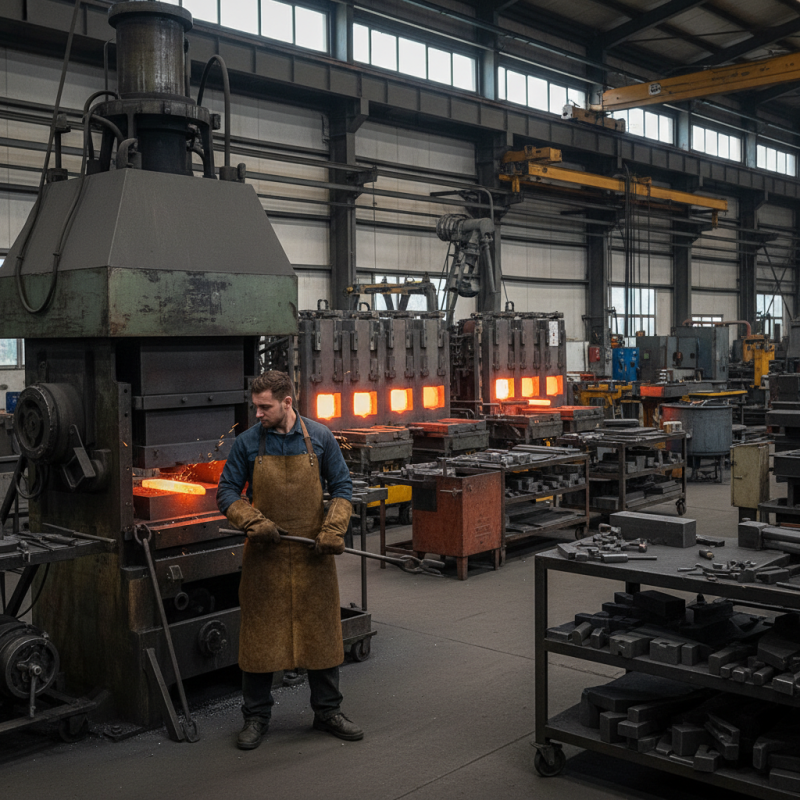
Understanding Different Types of Metal Forges: A Comprehensive Overview
When it comes to metal forges, understanding the various types is crucial. There are gas forges, coal forges, and electric forges, each serving different needs. Gas forges heat up quickly and can reach high temperatures. They are user-friendly but may not be as powerful as coal forges. Coal forges, on the other hand, provide intense heat and are preferred by many traditional blacksmiths. However, they require more effort to maintain and can create a mess.
Electric forges offer convenience and precision. They can sustain consistent temperatures, which is great for beginners. Yet, the initial cost may be higher. Each type has its own advantages and disadvantages. You'll need to consider your skill level and budget. A beginner might struggle with a coal forge's demands. In contrast, using an electric forge might hinder learning traditional techniques.
Consider the materials you plan to work with. If you need specific temperatures for certain metals, the choice becomes clearer. Reflecting on your goals with metalworking can greatly influence your decision. Whether you seek artistic expression or functional creations, understanding that each forge type has trade-offs will guide you in selecting the best one for your journey.
Key Factors in Selecting a Metal Forge for Your Specific Applications
When selecting a metal forge for your needs, it's vital to consider specific applications. Different forges serve various purposes. Identify what type of metalworking you'll primarily do. For example, blacksmithing demands a forge with high heat capabilities.
Tips: Consider the size of your workspace. A larger forge may not be suitable for a small workshop. Proper ventilation is critical in preventing the buildup of harmful fumes. Think about your experience level too. Beginners might benefit from simpler, user-friendly designs.
Power source is another essential factor. Propane forges heat quickly, while coal forges allow for intense control over the burn. Evaluate your skill and how often you plan to forge.
Tips: Don’t overlook safety features. Proper insulation and fire-resistant materials are crucial. Investing in protective gear is also a must. Always keep a fire extinguisher nearby. Revisit your choices regularly. Needs can evolve as you gain skill and confidence.
Comparing Fuel Sources: Gas, Electric, and Propane Forges Explained
When selecting a metal forge, understanding fuel sources is crucial. Gas, electric, and propane forges each offer unique benefits and challenges. According to industry data, 45% of blacksmiths prefer gas for its efficiency and heat consistency. Gas forges reach higher temperatures quickly, ideal for welding and shaping metals. However, some may find the setup complex.
Electric forges are growing in popularity, especially for beginners. They provide a clean and safe option, generating heat without the need for fuel tanks or venting systems. Studies show that these forges can be less expensive to operate in the long run, appealing to small-scale hobbyists. Still, they may struggle to achieve the high temperatures required for specific applications, like large-scale production.
Propane forges remain a reliable choice for many artisans. They are portable and easier to set up than gas models. However, propane may not provide as consistent heat. Users report they often need adjustments while working. Avoiding common pitfalls is important. Ensure you're familiar with the forge's temperature range.
Tips: Always assess your workspace’s ventilation. Understanding your projects' needs will streamline your choice. Keep in mind that trial and error may lead to discovering what truly works best for you.
2026 How to Choose the Best Metal Forge for Your Needs? - Comparing Fuel Sources
| Fuel Source | Heat Up Time | Operating Cost | Temperature Range | Portability | Maintenance |
|---|---|---|---|---|---|
| Gas | Fast (5-10 minutes) | Moderate | Up to 2500°F | Moderate | Low |
| Electric | Moderate (10-15 minutes) | High | Up to 2200°F | High | Moderate |
| Propane | Fast (5-10 minutes) | Low | Up to 2300°F | High | Low |
Evaluating Forge Size and Capacity: Important Considerations for Your Needs
When evaluating a metal forge, size and capacity are critical factors. The right forge must accommodate the types of projects you plan to undertake. For hobbyists, a smaller, portable forge can suffice. The Forge Capacity Guide recommends ensuring that the forge can handle the maximum size of your workpiece. A forge that is too small may limit your creativity.
Industrial forgers typically require larger forges that can sustain higher temperatures and longer operational hours. According to the American Blacksmiths Association, a forge with a 12” x 12” chamber can handle most artistic and functional metalworks. However, larger setups can enhance efficiency. Yet, larger forges may lead to higher energy consumption, impacting your operational costs.
Consider the materials you’ll be working with. Various metals have unique melting points. For instance, aluminum melts at around 1220°F while steel requires temperatures above 2500°F. A forge not designed for your chosen materials can produce suboptimal results. Reflect on whether your current forge meets your needs or if pursuing a larger option could improve your projects. Search for data on energy consumption and material compatibility to refine your decision.
Assessing Cost Efficiency: Budgeting for Your Metal Forge Investment
When budgeting for a metal forge, cost efficiency is essential. The investment can range widely, from a few hundred to several thousand dollars. A significant factor is the type of forge required. Gas forges are typically cheaper than coal or electric options. A recent industry report shows that gas forges can be around 30-40% less expensive to operate annually compared to their electric counterparts.
Additionally, consider ongoing operating costs like fuel and maintenance. A survey reveals that 55% of metalworkers report high fuel expenses. This emphasizes the importance of choosing a forge that balances initial cost with long-term efficiency. Investing in a high-quality, energy-efficient model may reduce costs over time.
Another critical point is space and utility requirements. Smaller forges may suit hobbyists, but professionals often need full-sized units. Installation can incur extra costs. According to industry standards, setting up an adequate workspace can add 20-25% to your overall budget. All these financial aspects require careful consideration before making a decision on your metal forge investment.
(780) 669-9420