
Blog
- Home
- Blog
Top 10 High Torque Actuators Buyers Should Consider?
When selecting a High Torque Actuator, understanding its importance is crucial. These devices are key in various applications, such as robotics and automation. Their capacity to deliver substantial force makes them indispensable for tasks requiring precision and power.
High Torque Actuators come in various designs and specifications. Buyers must consider their unique project requirements. For instance, heavy-duty machinery often necessitates specific torque ratings and durability features. Many manufacturers offer advanced options that can enhance performance.
Choosing the right actuator isn't straightforward. There are numerous variables to consider, from environmental conditions to compatibility with existing systems. Missteps in selection can lead to failures. Therefore, expertise in this area is essential for making informed decisions.
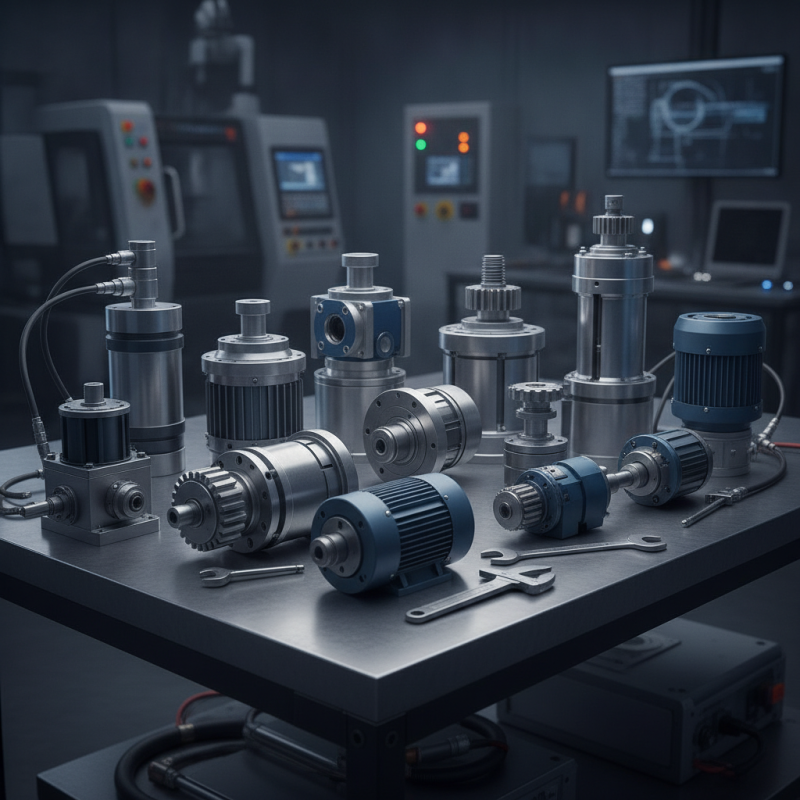
Understanding High Torque Actuators and Their Applications
High torque actuators play a critical role across various industries. They provide the necessary force for operations requiring precise movements. Common applications include robotics, automotive, and industrial machinery. Understanding their functions can aid in selecting the right actuator for specific needs.
These actuators convert electrical or hydraulic energy into rotational motion. This makes them ideal for tasks involving heavy loads. Selecting the appropriate torque rating is essential. Too little torque can hinder performance, while too much may cause damage.
Tip: Always assess the load requirements before making a purchase. It’s important to match the actuator's torque capacity with the application demands.
Another factor to consider is speed. Different applications may require different speeds of operation. Many users overlook the need for a balance between torque and speed. This can lead to inefficiencies in the long run.
Tip: Test the actuator in a controlled environment to ensure it meets your performance criteria. Evaluate both torque and speed to ensure they align with your project goals.
Key Factors to Consider When Selecting High Torque Actuators
When selecting high torque actuators, buyers must consider several key factors. Torque requirements stand out as paramount. This generally refers to the amount of rotational force an actuator can generate. For instance, in aerospace applications, actuators may require up to 5,000 Nm to control flight surfaces effectively. Understanding your system's specific torque needs is essential for optimal operation.
Another critical aspect lies in speed. Actuators with high torque but low response times may hinder system performance. Data from industry reports indicate that a well-balanced actuator should complete cycles within one second for robotics applications. Material selection also impacts the actuator's durability and performance. Steel components might be stronger but can add unnecessary weight. Lightweight composites can offer sufficient strength without compromising efficiency.
Maintenance needs are often overlooked, yet they play a crucial role in actuator longevity. High torque actuators may result in increased wear on components. Regular inspections and timely replacements can mitigate risks. Understanding the implications of duty cycles helps prevent premature failures. Over-engineering can be as problematic as under-engineering; finding that sweet spot in actuator selection is vital for efficiency.
Top 10 High Torque Actuators Buyers Should Consider
| Actuator Type | Torque Rating (Nm) | Voltage (V) | Control Type | Weight (kg) | Price Range ($) |
|---|---|---|---|---|---|
| Electromechanical | 200 | 24 | Analog | 5 | 200-300 |
| Pneumatic | 150 | Air | On/Off | 3 | 150-250 |
| Hydraulic | 400 | Hydraulic Pressure | Variable | 15 | 500-700 |
| Stepper Motor | 100 | 48 | Closed Loop | 2 | 100-200 |
| Servo Motor | 250 | 36 | PID Control | 4 | 300-500 |
| Linear Actuator | 180 | 12 | DC Control | 6 | 150-300 |
| DC Gear Motor | 220 | 24 | Speed Control | 3 | 200-400 |
| AC Motor | 300 | 230 | Variable Frequency Drive | 10 | 400-600 |
| Rotary Actuator | 350 | 48 | Digital | 8 | 500-800 |
| Smart Actuator | 600 | 24 | IoT Control | 7 | 700-1000 |
Top High Torque Actuator Brands and Their Features
When looking for high torque actuators, it’s crucial to understand the options available. Many brands offer various features designed for different applications. Some models provide exceptional precision, while others prioritize robustness. Reliability is paramount in selecting an actuator that meets your specific needs.
In this competitive market, quality and performance can vary. Buyers should consider factors such as load capacity and speed. Some actuators are designed to operate seamlessly in harsh environments, ensuring longevity. It's essential to evaluate the torque range, as this can significantly influence functionality in real-world applications.
One needs to be aware that all high torque actuators may not suit every project. Some may lack the anticipated torque due to overlooked factors like temperature and wear over time. This complexity demands careful consideration and sometimes leads to unexpected challenges. It's vital to research and consult industry experts, ensuring you make an informed decision.
Comparative Analysis of Performance Metrics in High Torque Actuators
When selecting high torque actuators, understanding performance metrics is crucial. These metrics include torque output, speed, and response time. Each parameter plays a vital role in the actuator's overall efficiency. Torque output represents the actuator's ability to generate rotational force. A higher torque output is essential for applications requiring significant lifting or turning. A thorough analysis of this metric can reveal how well an actuator meets operational demands.
Speed metrics indicate how quickly an actuator can perform its function. Faster response times ensure that systems operate smoothly and efficiently. However, speed should not compromise torque. There is often a trade-off. Actuators may be fast but lack the necessary torque. This imbalance can lead to system failures or missed deadlines. Understanding these dynamics is key to making informed decisions.
Evaluating these performance metrics allows for thoughtful comparisons. Some actuators may excel in torque, while others may shine in speed. Buyers must reflect on their specific needs. A detailed analysis of applications can guide choices. Not every actuator is perfect for every situation. Balancing torque and performance is a challenging task. Each decision should consider both immediate and long-term operational goals.
Maintenance and Care Tips for Longevity of High Torque Actuators
Maintaining high torque actuators is crucial for their optimal performance. Regular inspection is key. Check all connections for wear and tear. Ensure the actuators are clean and free from dust or debris. Dirt can cause significant damage over time. Lubrication is often overlooked but essential. Use appropriate lubricants to minimize friction. This helps in extending the life of the actuators.
Operating conditions play a significant role in actuator longevity. Extreme temperatures can lead to failure. Monitor the environment where the actuators are used. Adjustments may be required to prevent overheating. Keep an eye on the load capacity. Overloading can cause unexpected adjustments or breakdowns. Training staff on usage and care also helps. Educated users are less likely to misuse equipment. Regular training sessions can prevent mistakes that are often costly. These simple maintenance tips can significantly impact the lifespan of high torque actuators. Ignoring these aspects may lead to more frequent replacements and higher costs.
Top 10 High Torque Actuators Buyers Should Consider
This chart represents the torque ratings of the top 10 high torque actuators that buyers should consider. Each actuator's torque rating is measured in Newton-meters (Nm), showcasing the capabilities of each model.
(780) 669-9420