
Essential Tips for Using Galvanized Nails Effectively?

When it comes to construction and woodworking, choosing the right fasteners is crucial. Galvanized nails stand out due to their corrosion resistance. They are coated with zinc, which protects them from rust. This makes them ideal for outdoor projects or areas with high humidity.

However, using galvanized nails effectively requires some knowledge. Over-driving them can cause damage to your project. The coating can create challenges with certain tools. It's important to select the right size and type for your specific needs. Wet conditions or heavy-duty applications may require additional considerations.

Understanding how to use galvanized nails enhances your work quality. Missteps can lead to rust or structural failure. It's essential to practice and reflect on your techniques. Getting familiar with the material may take time but can lead to improved results.
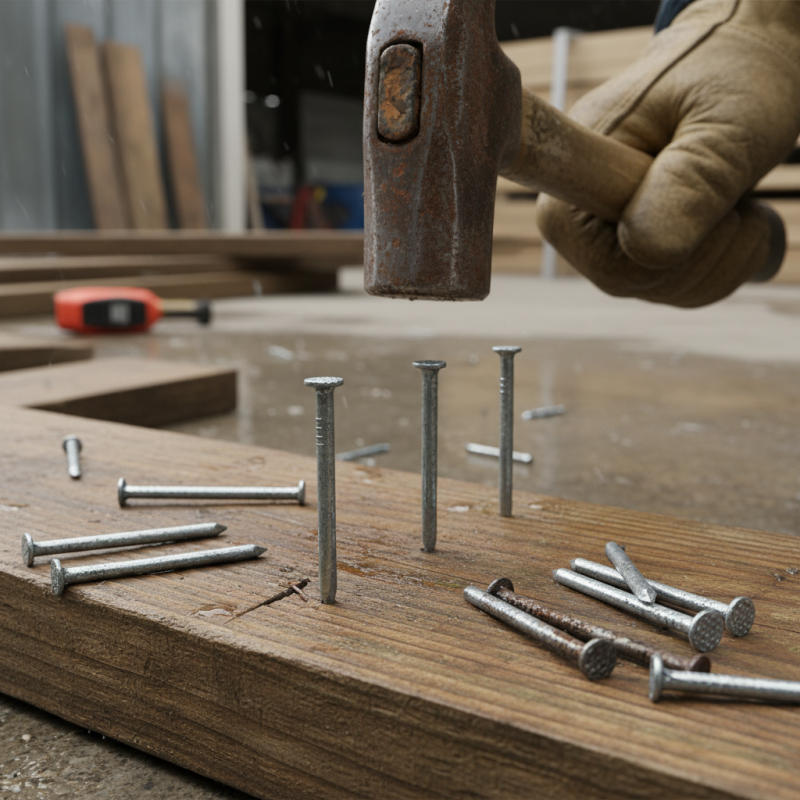
Essential Tips for Using Galvanized Nails Effectively?

Understanding Galvanized Nails: Properties and Benefits

Galvanized nails offer a unique combination of durability and corrosion resistance. Made by coating steel nails with zinc, these nails are ideal for outdoor projects. According to industry reports, galvanized nails can last up to 50 years in resistant environments. Their resistance to rust makes them perfect for high-moisture areas like bathrooms and kitchens.

When using galvanized nails, proper installation is key. Overdriving can lead to nail bending or splitting wood. Always use a hammer with controlled force. For a more secure hold, consider a pneumatic nail gun. Ensure your work surface is clean and dry for the best results.

In addition, be mindful of the gauge of the nails. A lower gauge means a thicker nail. Thicker nails provide better holding power but may be difficult to drive into hard woods. Choose the right size to match your project’s requirements for optimal results. Remember, not all projects require galvanized nails; assess each situation carefully for the best choice.
Selecting the Right Size and Type of Galvanized Nails for Your Project

Selecting the right size and type of galvanized nails is crucial for any project. Galvanized nails resist rust, making them ideal for outdoor applications. According to the Fastener Specifications standards, the most commonly used sizes range from 1 inch to 3 inches in length. A 2-inch nail is appropriate for framing. However, it may not provide enough grip for heavier materials.

Consider the gauge of the nail as well. Common gauges are between 16 and 18. A heavier gauge offers better holding power. For example, a 16-gauge nail can hold more weight than an 18-gauge nail. However, using a larger gauge for light tasks can result in split wood. These nuances in selection are important for durability and aesthetic appeal.

Always match the nail type to the project requirements. For decking, consider spiral or ring shank nails. They offer superior holding power in softer woods. Misjudging nail type can lead to structural problems or premature failure. Therefore, double-check your specifications before driving in those nails. Paying attention to these details ensures a more reliable outcome for any construction endeavor.

Best Practices for Using Galvanized Nails in Different Materials

Using galvanized nails can enhance the durability of your projects, especially when working with various materials. When attaching wood, be mindful of the nail size. Too long can split the wood, while too short may not provide enough grip. Pre-drilling holes is a helpful practice. It reduces the risk of splitting and ensures a more straightforward installation.

For metal structures, select nails specifically designed for metal. Using the wrong type might result in rusting, negating the benefits of galvanization. It’s also essential to match the nail length to the thickness of the metal. A nail that’s too short won’t hold, while an overly long one can lead to bending or damage.

When working with masonry, utilize a hammer drill for proper penetration. Galvanized nails can struggle if the material is particularly hard. Opting for concrete nails might be a better choice in some scenarios. Testing a few nails before the main installation can save time and frustration later. Always check compatibility with your chosen materials. It’s easy to overlook details in the heat of the moment.

Common Mistakes to Avoid When Working with Galvanized Nails

When working with galvanized nails, it’s important to avoid common pitfalls. One mistake is not considering the thickness of the material you're nailing. Using the wrong nail length can lead to weak joints that fail under pressure. Measure carefully before committing to any nail size. Also, ensure the nails are suited for your specific job.

Another common error is driving nails too deep. Overdriving can compromise the protective coating, leading to rust. It’s essential to keep an eye on the nail head. If it's sunk too far, pull it out and re-nail. Sometimes, people use the wrong hammer type. A heavy hammer may seem efficient, but it can cause damage.

Additionally, the environment should be taken into account. Galvanized nails work well outside, but they can corrode under certain conditions. Installing them in wet areas without proper sealing can lead to failure. Always think about moisture levels before starting your project. Remember to plan for the unexpected and reflect on your methods throughout the job.

Maintenance Tips for Ensuring Longevity of Galvanized Nail Applications

When working with galvanized nails, maintenance is key to ensuring their longevity. Regular inspection can help catch issues early. Check for signs of rust or corrosion. Even a small flaw can weaken the integrity of the nail.

Proper installation methods also play a vital role. Use the right tools to avoid damaging the nails. Hammering them too hard can strip the coating. This leads to premature deterioration. Consider the environment in which the nails are used. Areas with high moisture require extra attention.

Remember to store galvanized nails in a dry place. Humidity can compromise their protective coating. If possible, keep them sealed until use. It’s important to manage exposure to elements effectively. Over time, neglect can significantly shorten their lifespan.

Essential Tips for Using Galvanized Nails Effectively

Tip Description Best Use Case Maintenance Frequency
Choose the Right Size Select nails that match the thickness of your materials to prevent splitting. Woodworking projects Every project
Pre-drilling Holes Drill pilot holes to reduce the risk of splitting and ensure easier driving. For hardwood materials When necessary
Proper Nail Driving Technique Use a hammer with a controlled force to drive nails straight. All nail applications Ongoing
Check for Rust Inspect nails for any signs of corrosion regularly to ensure structural integrity. Outdoor applications Monthly
Storage Conditions Store nails in a dry place to prevent moisture-related damage. Before use Before any use
×
img

    Contact Info

    Phone number

    661-392-8948

    Address info

    3451 Pegasus Drive, Bakersfield, CA USA