
Blog
- Home
- Blog
Top 5 Tips for Effective Goat Deworming Drencher Use?
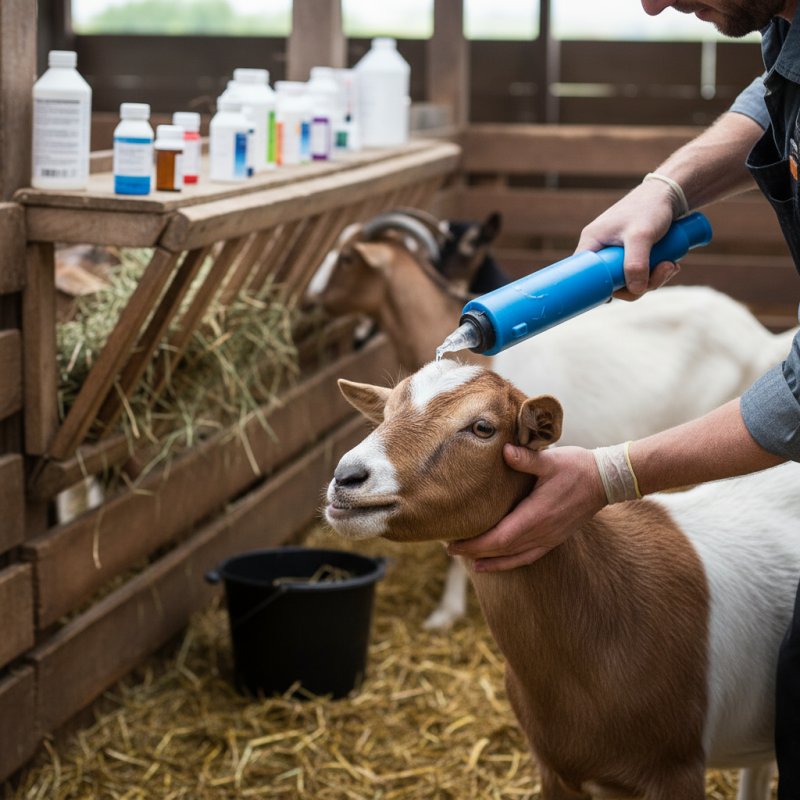
When it comes to maintaining the health of goats, effective deworming is crucial. One commonly used tool is the Goat Deworming Drencher. This device helps deliver medications specifically designed to combat parasitic infections in goats. However, using a deworming drencher is not just about following instructions. It requires knowledge and careful consideration.
Understanding the unique needs of your herd is essential. Factors such as age, weight, and overall health can impact the effectiveness of deworming treatments. Many goat owners may underestimate these variables. Poor technique or incorrect dosages can lead to ineffective treatment or even harm.
Practicing proper deworming techniques can significantly improve outcomes. It is important to be familiar with the best methods and tools available. Regular assessments of your goats can guide your deworming schedule. This proactive approach will not only enhance the health of your goats but also ensure sustainable farming practices. Making informed decisions will set a foundation for a thriving herd and reduce future challenges.
Understanding Goat Parasites: Types and Lifecycle Stages
Goat parasites are a significant concern for farmers. Understanding the types and lifecycle stages of these parasites is crucial for effective management. Common parasites include gastrointestinal worms, coccidia, and external parasites like mites and lice. Each parasite has a unique lifecycle that impacts when and how to treat goats.
Parasites often go undetected until they cause health issues. For instance, gastrointestinal worms can be present in low numbers but multiply rapidly. They typically thrive in warm, moist environments. Their lifecycle involves several stages, including eggs, larvae, and adult worms. This complexity requires close monitoring of goat health and environment. Recognizing signs of infestation early can mitigate damage.
Moreover, education on parasite control is essential. Many farmers rely heavily on deworming practices without fully understanding the parasite lifecycle. This can lead to ineffective treatments and resistance. It’s vital to assess the specific parasite challenges on your farm. Regular fecal testing can help identify parasitic loads, allowing for more accurate treatment plans. Reflection on deworming strategies may reveal gaps in knowledge and practice. Adequate understanding bridges the gap between treatment and prevention.

The Importance of Accurate Dosage in Drenching for Goat Health
Accurate dosing is crucial when drenching goats for deworming. An incorrect dose can lead to ineffective treatment, resulting in worms developing resistance. This scenario ultimately harms the goat’s health and productivity. Every goat is unique, and their body weight should determine the amount of drench used. Overdosing can cause toxicity, while underdosing may not eradicate the parasites.
Measuring the dosage properly is vital. Use a reliable scale or measuring device. It enhances the effectiveness of the dewormer. Remember that some goats might not cooperate during the process. It can lead to stress for both the animal and the handler. Being calm and patient can improve the overall experience.
Consider the environment too. Deworming should ideally occur in a stress-free area. Keep an eye on follow-up treatments as well. Observing the goats post-treatment allows for recognizing any adverse reactions. Adjusting the approach based on previous experiences will only lead to better outcomes. Listening to what the goats show you can guide better practices in the future.
Timing and Frequency: Optimal Deworming Schedule for Goats
Timing is crucial for effective goat deworming. Research indicates that parasites can reproduce quickly, with some species laying thousands of eggs daily. This rapid lifecycle makes it essential to adhere to a precise deworming schedule. Ideally, farmers should consider deworming goats at least twice a year. However, high-risk herds may require more frequent treatments. Regular fecal egg count monitoring can help determine the necessity for intervention.
Spring and fall are typically the best times for deworming. In spring, goats may have greater exposure to parasites as they graze on fresh pastures. During fall, a deworming treatment can reduce the parasite load before winter. Following these seasons ensures healthier goats and mitigates infection risks. A study conducted by livestock health organizations shows that goats dewormed during these optimal times have a 25% higher survival rate in harsh environments.
Environmental conditions also play a role in timing. Wet and humid weather encourages parasite growth. Therefore, during such periods, closely monitor your goats. If you notice signs of weight loss or lethargy, consider an earlier treatment. Be vigilant; sometimes timing is overlooked due to busy schedules. Maintaining records of deworming history can highlight patterns and identify the best times for treatment.
Top 5 Tips for Effective Goat Deworming Drencher Use
This chart represents an optimal deworming schedule for goats based on age and frequency of treatment. Goats should be dewormed according to the following recommended schedule:
Choosing the Right Dewormer: Efficacy Against Specific Parasites
Choosing the right dewormer is crucial for effective goat deworming. Each parasite responds differently to various deworming agents. Understanding these differences helps in making informed choices. For instance, some dewormers target roundworms effectively, while others may not be as effective against tapeworms or flukes. Using the wrong product could lead to treatment failure, causing further health issues.
Consulting a veterinarian can provide valuable insights into the specific parasites affecting your herd. Knowledge about local parasite prevalence is vital. Regular fecal exams can help identify the specific pests. Testing also informs which dewormers are best suited for your goats. Without this knowledge, the risk of increased resistance grows.
Many farmers may overlook the importance of rotating dewormers. Repeatedly using the same type can lead to resistance. It's a cycle that must be broken for effective parasite management. Keep a record of treatments and their outcomes. This practice can reveal patterns and guide future decisions. Adapting your approach based on performance is key to maintaining a healthy herd.
Top 5 Tips for Effective Goat Deworming Drencher Use
| Tip | Description | Recommended Dewormers | Target Parasites |
|---|---|---|---|
| 1. Proper Timing | Deworm when parasites are most active, typically in spring and fall. | Ivermectin | Strongyles, Lungworms |
| 2. Fecal Testing | Conduct regular fecal tests to monitor parasite levels before deworming. | Fenbendazole | Whipworms, Hookworms |
| 3. Rotate Dewormers | Alternate dewormers to prevent resistance. | Levamisole | Nematodes |
| 4. Dosage Accuracy | Ensure correct dosage based on weight for effectiveness. | Praziquantel | Tapeworms |
| 5. Observe Withdrawal Times | Follow withdrawal periods for meat and milk to ensure food safety. | Moxidectin | Roundworms |
Monitoring and Assessing the Effectiveness of Deworming Treatments
Effective goat deworming is crucial for maintaining herd health. It's important to monitor the effectiveness of treatments. Regular assessments can help you identify if your current methods are working.
One key tip is to perform fecal egg count tests before and after treatments. This helps you evaluate the reduction in parasite load. Look for at least a 90% decrease in eggs after treatment. If the reduction is lower, it might indicate resistance. Adjust your deworming strategy accordingly.
Another vital aspect is observing the goats' overall health. Are they gaining weight? Do they have shiny coats? These visual cues can indicate how well the treatment is working. If you notice persistent issues, you may need to reconsider your approach. DE guideline failures can happen; ensure you follow best practices closely. Regularly consulting a veterinarian can add expert insight to your deworming program. Their experience is invaluable in assessing treatment efficacy.
(780) 669-9420