
Blog
- Home
- Blog
What is a Dehumidifier Unit and How Does It Work?
A Dehumidifier Unit is an essential appliance designed to reduce humidity levels in indoor spaces. High humidity can lead to discomfort and various health issues. This unit works by drawing in moist air, removing excess moisture, and releasing drier air back into the environment. This process not only enhances comfort but also protects against mold and mildew growth.
Understanding how a Dehumidifier Unit operates is crucial for optimal use. Many users overlook its maintenance needs. Regular cleaning and monitoring of the water reservoir are important to maintain efficiency. Neglecting these tasks can lead to reduced performance and potential malfunctions.
While a Dehumidifier Unit can significantly improve air quality, it may not be a one-size-fits-all solution. Some environments may require adjustments in settings for best results. Users should be attentive to their specific needs to fully benefit from this appliance.
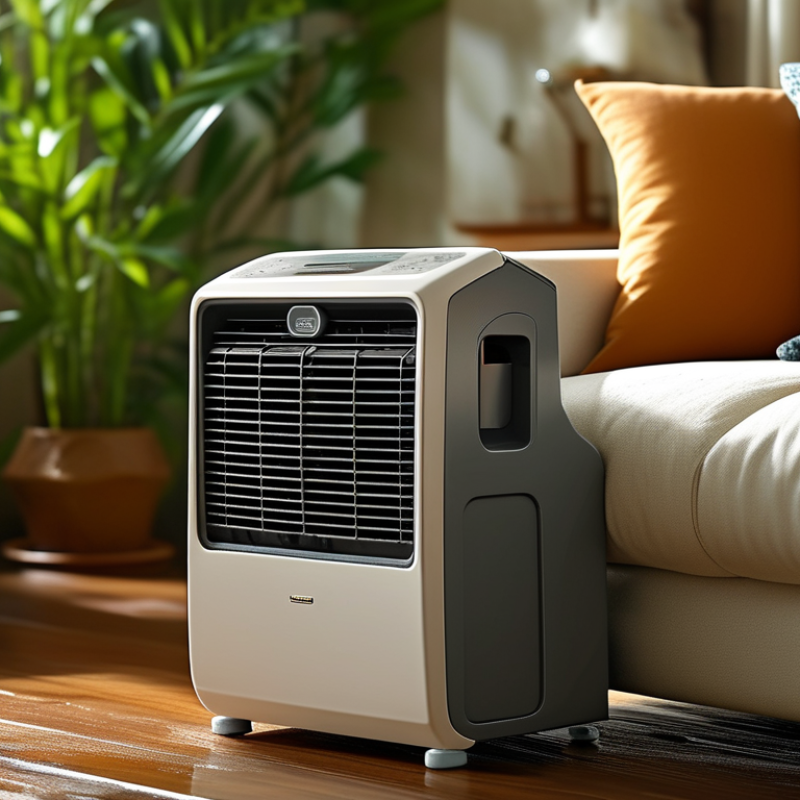
What is a Dehumidifier Unit?
A dehumidifier unit is a device that reduces humidity in the air. This can improve indoor air quality. It helps prevent mold growth and protects furniture. High humidity can lead to discomfort and allergens. Dehumidifiers can be beneficial in bathrooms, basements, and other damp areas.
These units operate by drawing in moist air. The air passes over coils, where it cools down. As it cools, water condenses and collects in a tank. The drier air is then released back into the room. Some models have settings for different humidity levels. This allows for more control but might be overwhelming for first-time users.
While effective, using a dehumidifier requires regular maintenance. The water tank needs frequent emptying. Filters must be cleaned or replaced often. Users can sometimes overlook these tasks, leading to reduced efficiency. It's essential to monitor the unit closely. This way, it operates optimally and provides maximum benefits.

The Importance of Maintaining Humidity Levels
Maintaining proper humidity levels is crucial for a healthy indoor environment. High humidity can lead to mold growth and dust mites. This can cause allergies and respiratory problems. Conversely, low humidity can cause dry skin and irritation. Striking the right balance is key for comfort and health.
A dehumidifier unit helps manage indoor moisture. It draws in humid air, removes excess moisture, and releases drier air. This process can be beneficial in damp areas like basements, laundry rooms, and bathrooms. These areas often suffer from high humidity. However, relying too heavily on a dehumidifier can lead to overly dry air, resulting in discomfort and health issues, highlighting the need for careful monitoring.
Understanding your specific humidity needs is essential. Humidity levels can fluctuate daily. Seasonal changes also impact moisture levels. Regularly checking humidity can help you adjust your dehumidifier settings. It’s important to find that sweet spot of comfort without going to extremes. By maintaining appropriate humidity levels, you can enjoy a healthier living space.
How Dehumidifiers Function: The Science Behind It
Dehumidifiers are essential in managing indoor humidity. They operate using a simple yet effective process. When humid air passes over cold coils, moisture condenses and collects in a tank. This reduces the humidity levels in a room, creating a more comfortable environment.
Research indicates that reducing indoor humidity below 60% can significantly lower mold growth and dust mites. According to the Environmental Protection Agency (EPA), maintaining humidity levels between 30% to 50% is ideal for health and comfort. For example, homes with damp conditions can increase the risk of respiratory issues, especially in children and the elderly.
While dehumidifiers are effective, they are not a catch-all solution. They demand regular maintenance. Filters need to be cleaned or replaced periodically, and tanks should be emptied to prevent overflow. Many users overlook these tasks, which can lead to decreased performance and even appliance failure. Proper education on usage can enhance efficiency and effectiveness.
What is a Dehumidifier Unit and How Does It Work?
| Feature | Description | Importance |
|---|---|---|
| Humidity Control | Dehumidifiers reduce excess moisture in the air. | Prevents mold growth and improves air quality. |
| Types | Refrigerant, Desiccant, and Whole-House dehumidifiers. | Different types serve various needs and environments. |
| Working Principle | Most devices draw air over cool coils, condensing moisture. | Essential for understanding how moisture is removed. |
| Energy Efficiency | Modern dehumidifiers are designed to be energy-efficient. | Reduces electricity costs while maintaining comfort. |
| Maintenance | Regular filter cleaning and water tank emptying are required. | Ensures optimal performance and longevity of the unit. |
Types of Dehumidifiers and Their Applications
Dehumidifiers come in several types, each designed for specific needs and environments. A refrigerant dehumidifier uses cooling coils to remove moisture from the air. This type is common in homes and basements. It operates by cooling the air, causing moisture to condense. Portable models offer flexibility for various rooms.
In contrast, desiccant dehumidifiers absorb moisture using chemical drying agents. These units are effective in low-temperature environments. They work quietly and are often chosen for laundry rooms or small spaces. Their ability to function in cooler conditions is a significant advantage, yet they may have a higher energy consumption rate.
There are also whole-house dehumidifiers. These systems are installed in HVAC systems to maintain balanced humidity levels throughout a home. While effective, they require professional installation and may involve higher upfront costs. Each type has its strengths and weaknesses, demanding careful consideration based on personal needs.
Benefits of Using a Dehumidifier in Different Environments
Dehumidifiers play a vital role in managing humidity levels. In basements, high moisture can lead to mold. A dehumidifier helps reduce this risk. It draws in moist air, removes the excess water, and releases drier air. This process can significantly improve indoor air quality.
In homes, the benefits are clear. Bedrooms with lower humidity offer a more comfortable sleep environment. Many find that breathing is easier in less humid spaces. Additionally, a dehumidifier can help protect furniture and valuables from moisture damage.
In commercial settings, the need is often more pronounced. Restaurants and gyms require controlled humidity for comfort and health. Too much moisture can cause equipment malfunctions. However, not all dehumidifiers are equally effective. Some may require frequent maintenance or lack sufficient capacity for larger spaces. Choosing the right unit requires careful consideration and research.
(780) 669-9420