
How to Choose the Right Structural Bolt for Your Project?

Choosing the right Structural Bolt for a project can be challenging. Each project has unique requirements that affect this decision. A structural bolt is not just a fastener; it plays a critical role in maintaining the integrity of structures. The right selection impacts safety and durability. It also influences the overall project costs.

Understanding the specifications of structural bolts is essential. Factors such as bolt material, size, and grade affect performance. Failure to consider these aspects can lead to costly mistakes. Many overlook the importance of corrosion resistance and load capacity. Experience shows that inadequate choices result in structural failure or premature wear.

Research and professional advice can help make informed decisions. Not all structural bolts are created equal. Engaging with suppliers and engineers offers insights into best practices. A well-chosen bolt enhances stability and ensures longevity. Yet, it's important to reflect on past choices. Learning from experience is key to improving future projects.
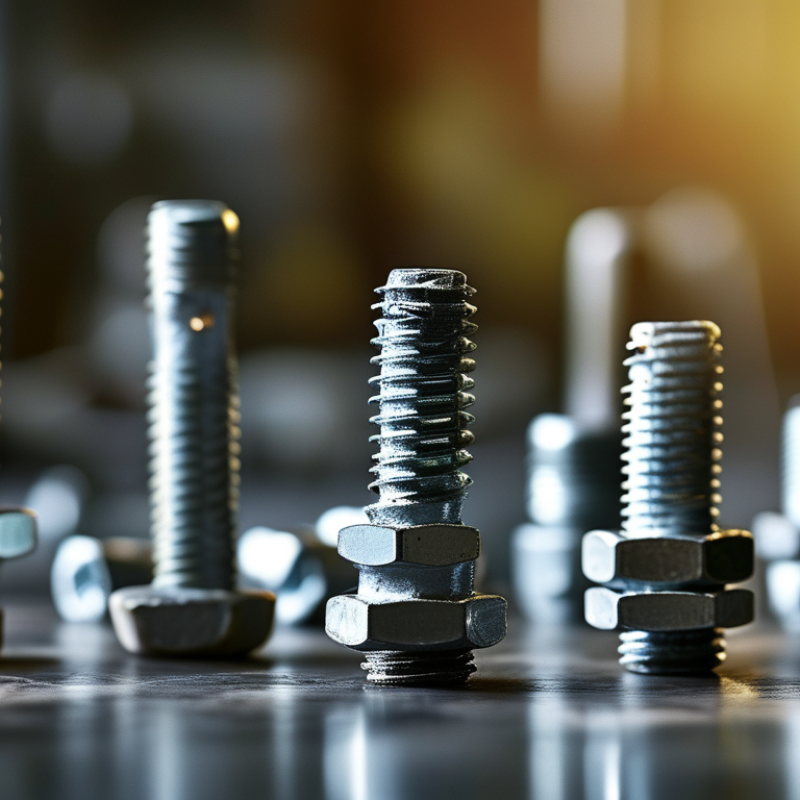
How to Choose the Right Structural Bolt for Your Project?

Understanding Structural Bolt Types and Their Applications

When choosing structural bolts, understanding their types and applications is crucial. Structural bolts serve different purposes in construction. The most common types include A325 and A490 bolts. A325 bolts are often used in steel connections. They are suitable for medium-strength applications. A490 bolts, on the other hand, are for high-strength applications and provide greater load-bearing capacity.

Each application has specific requirements. For instance, if you’re connecting beams, A325 may suffice. But for bridges or tall buildings, A490 offers the strength needed. The size and coating also matter. Galvanized bolts resist corrosion. Regular steel bolts may not last in harsh environments. It's essential to match the bolt type with the project's environmental conditions and load demands.

Sometimes, projects require a combination of bolts. Mixing different types may lead to stress concentrations. This practice could weaken the structure over time. Always consider the overall design. Each decision impacts the safety and longevity of the project. Review specifications carefully. Engaging with professionals can help clarify choices and ensure proper installation.
Key Specifications to Consider When Selecting Structural Bolts

When selecting structural bolts, understanding key specifications is crucial. Consider the bolt's material, strength grade, and finish. These factors significantly impact performance and stability.

Material selection is essential. Common materials include carbon steel and stainless steel. They provide different strength and corrosion resistance. High-strength bolts are often preferred for demanding applications.

Strength grades indicate the bolt's carrying capacity. For example, Grade 5 bolts are suitable for standard loads, while Grade 8 is ideal for heavy-duty use. Always ensure that the chosen grade matches your project requirements.

Tip: Always verify the load requirements for your specific application. It’s easy to overlook this detail, but it can lead to serious issues down the line.

Another consideration is the bolt finish. Zinc plating, for example, offers moderate corrosion resistance. More severe environments may require hot-dip galvanizing. Failure to choose the right finish could result in premature wear.

Tip: Conduct regular inspections on installed bolts. Even high-quality hardware can degrade over time, revealing the importance of maintenance. Proper care can extend the lifespan of your project components.

Assessing Load Requirements and Environmental Factors

Choosing the right structural bolt is crucial for any project. Load requirements and environmental factors significantly influence this decision. Load analysis should account for both static and dynamic forces. Understanding how weight and movement affect bolts is vital. For instance, heavy machinery requires stronger bolts.

When considering environmental factors, temperature and moisture play key roles. High humidity can lead to corrosion, while extreme temperatures may alter bolt performance. It's important to select materials that can withstand specific weather conditions. Stainless steel or galvanized options can help mitigate these risks.

Tips: Always consult with a structural engineer for guidance. They can provide insights based on your specific needs. Regularly inspect bolts in environments prone to wear and degradation. This proactive approach can save costs and enhance safety in the long run.

How to Choose the Right Structural Bolt for Your Project? - Assessing Load Requirements and Environmental Factors

Bolt Type Load Capacity (kN) Material Corrosion Resistance Environmental Suitability
Grade 8.8 40 Carbon Steel Standard Indoor Use
Grade 10.9 50 Alloy Steel Zinc Plated Outdoor Use (Mild)
Stainless Steel (A4) 30 Stainless Steel Excellent Marine / Coastal
High Strength Bolts 70 Alloy Steel Coated Heavy Duty / Industrial
Hex Head Bolt 25 Carbon Steel Standard General Purpose

Material Choices for Structural Bolts: Strength and Durability

When selecting structural bolts for a project, the material is crucial for ensuring strength and durability. Common materials include carbon steel, stainless steel, and alloy steel. Carbon steel is inexpensive and widely used but may corrode if not properly coated. Stainless steel resists corrosion but can be more costly. According to a report by the American Institute of Steel Construction, using stainless steel for high-moisture environments can triple the lifespan of a structure compared to carbon steel.

Moreover, the properties of the chosen material significantly affect bolt performance. For instance, ASTM A325 and A490 specification grades have different tensile strengths, with A490 being about 20% stronger. This difference can influence load-bearing capacity and safety margins. However, it's essential to consider the project's specific requirements. Choosing the wrong material may lead to premature failure or excessive maintenance costs.

Additionally, environmental factors like exposure to temperature fluctuations must be taken into account. High temperatures can weaken some materials, while others may become brittle in cold conditions. A study by the National Research Council emphasizes that choosing the right bolt material enhances structural integrity and reduces risks. Therefore, reflecting on the specific needs and conditions of your project is vital in making informed material choices.

Installation and Maintenance Considerations for Structural Bolts

When considering installation and maintenance for structural bolts, it's crucial to understand the importance of proper torque. Over-torquing can lead to bolt failure, while under-torquing may result in loosening over time. It’s advisable to use a calibrated torque wrench for accurate results. This level of precision can prevent costly repairs and safety hazards down the line.

Inspection plays a vital role in the maintenance of structural bolts. Look for signs of rust, corrosion, or fatigue. Regular checks help in identifying issues before they escalate. A thorough inspection schedule can enhance the longevity of the bolts and the integrity of the structure.

Weather conditions can affect the performance of structural bolts. Harsh environments may lead to increased wear. In such cases, it’s beneficial to examine the materials used. Using weather-resistant coatings can prolong their lifespan. Reflection on these practices ensures that you're not overlooking potential problems that could undermine the entire structure.

×
img

    Contact Info

    Phone number

    661-392-8948

    Address info

    3451 Pegasus Drive, Bakersfield, CA USA