
Top Tips for Choosing the Right Lifepo4 Battery for You?

Choosing the right Lifepo4 battery can be challenging. With numerous options available, it is crucial to consider your specific needs. Lifepo4 batteries are known for their safety and longevity. They perform well in various applications, from electric vehicles to renewable energy storage.

When selecting a Lifepo4 battery, evaluate its capacity and discharge rate. What works for one application may not suit another. Pay attention to the manufacturer's reliability and warranty. This reflects their confidence in the product's durability.

Don't ignore the importance of size and weight. A more powerful battery may be bulkier. It can affect installation and usage. Always revisit your choices and reflect on past experiences. This can lead to a more informed decision. Consider these factors carefully to find the perfect Lifepo4 battery for your needs.
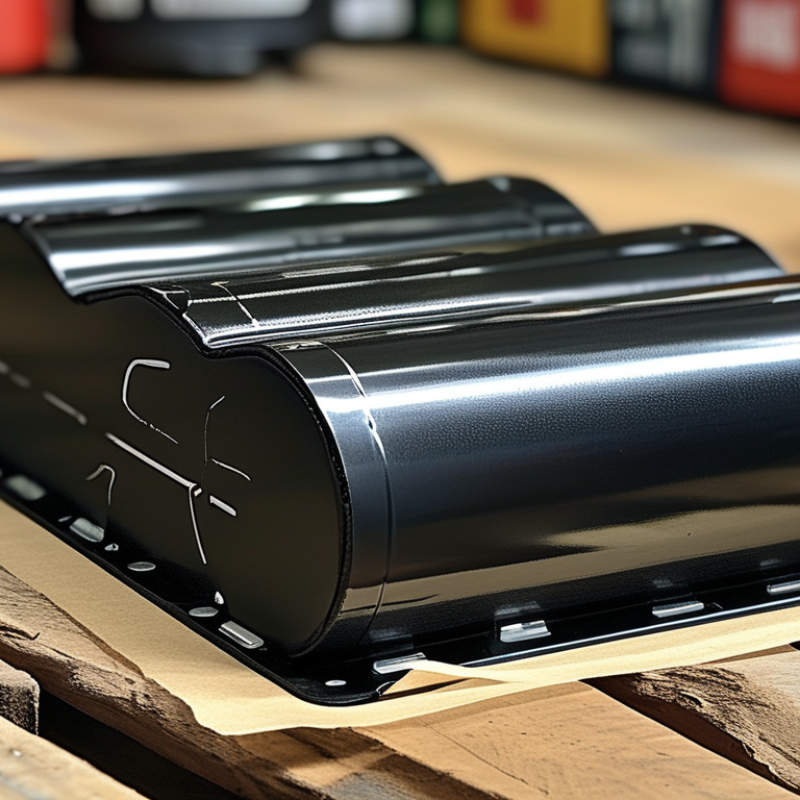
Top Tips for Choosing the Right Lifepo4 Battery for You?

Understanding the Basics of Lifepo4 Battery Technology

Lithium Iron Phosphate (LiFePO4) batteries have revolutionized energy storage with their unique chemistry. This technology offers excellent thermal stability. According to a report by BloombergNEF, LiFePO4 batteries have a longer lifespan, lasting up to 10 years with proper care. They provide reliable performance in various applications, from electric vehicles to solar energy systems.

Understanding the chemistry behind LiFePO4 is crucial. This type of battery is less volatile than traditional lithium-ion batteries. The phosphate group enhances safety by minimizing risks of thermal runaway. However, the energy density is lower compared to other lithium technologies. Users should weigh this against their specific energy needs.

When choosing a LiFePO4 battery, consider factors such as capacity and discharge rates. A lighter, compact battery might appeal to some users. Data from the International Energy Agency suggests continued growth in the adoption of LiFePO4 globally. However, some find the initial cost prohibitive. Balancing these factors is essential for informed decisions. Users should also think about recycling options and battery lifespan in their evaluation.

Factors to Consider When Selecting a Lifepo4 Battery

When selecting a LiFePO4 battery, several factors demand your attention. Understanding battery capacity is crucial. This determines how long your device can run. A higher capacity means more energy storage, but it also results in a bigger size and weight. Think about your needs carefully. For portable applications, smaller batteries might be more suitable.

Another important factor is the battery cycle life. LiFePO4 batteries typically last longer than other lithium-ion options. A longer cycle life indicates durability. However, it’s essential to reflect on your usage patterns. How often will you charge and discharge the battery? Frequent cycles can impact longevity.

Safety features are vital. Check for built-in protections against overcharging and overheating. A battery with robust safety measures is generally more reliable. Also, consider temperature tolerance. Some batteries perform poorly in extreme conditions. This may limit their usability in certain environments. Ensure you choose a battery compatible with your applications. Testing different options could help you find the ideal balance between performance and safety.

Top Tips for Choosing the Right Lifepo4 Battery

When selecting a Lifepo4 battery, consider key factors such as energy density, cycle life, charge time, and cost. The chart displays typical values for these attributes, aiding in making an informed comparison.

Comparing Lifepo4 Battery Sizes and Capacities

Choosing the right Lifepo4 battery requires careful consideration of sizes and capacities. Different applications demand different specifications. For instance, a small solar system may need a compact battery, while a larger setup might require more extensive capacity. Understanding the energy requirements of your devices is essential.

When picking a battery, consider its size. A larger battery typically offers more energy storage. However, it also takes up more space and is heavier. It's crucial to balance capacity with available space. A bike or small vehicle may not accommodate larger options. Evaluate your space limitations before making a decision.

Tip: Always calculate your energy needs accurately. Consider peak usage and daily averages. This helps avoid choosing a battery that is either too small or excessively large. An oversized battery could lead to inefficiencies. Ensure you're selecting a battery that optimally meets your needs without unnecessary excess.

Evaluating Lifepo4 Battery Lifespan and Performance

When evaluating the lifespan and performance of LiFePO4 batteries, it's essential to consider several key factors. Data shows that these batteries typically last between 2000 to 5000 charge cycles. This range can vary based on charging habits and temperature conditions. A stable temperature, ideally between 20-25°C, can maximize battery life. Cold or hot environments can accelerate degradation.

Performance metrics also play a crucial role. For instance, the discharge rates for LiFePO4 batteries can reach up to 3C. This means they can deliver three times their capacity in one hour without damaging internal components. However, sustained high discharge rates can lead to thermal runaway or shortened lifespans if not properly managed.

Moreover, depth of discharge (DoD) impacts battery life significantly. Operating within a DoD of 80% can enhance longevity, but many users often ignore this. Misunderstanding how to charge and discharge can lead to less optimal performance. A lack of awareness regarding these aspects can result in users not achieving the expected battery life. Each decision made regarding LiFePO4 usage influences overall experience and satisfaction.

Safety Features and Certifications in Lifepo4 Batteries

When selecting a Lifepo4 battery, safety features are crucial. Look for batteries that have overcharge protection. This feature prevents excessive charging, which can lead to overheating. Batteries with temperature control mechanisms are also beneficial. They help maintain safe operating temperatures, reducing the risk of thermal runaway.

Certifications play a significant role in determining battery safety. Check for certifications like UL, CE, and RoHS. These indicators show that the battery has met rigorous safety and quality standards. But don’t rely solely on labels. Reading reviews and user experiences can provide insights into the battery’s real-world performance and safety.

When choosing, consider your specific needs. A higher capacity battery might not always be the best option. Assess your application and power requirements carefully. It’s essential to weigh the pros and cons of each option. A battery that lacks essential safety features may save you money initially but could lead to costly and dangerous situations later on.

×
img

    Contact Info

    Phone number

    661-392-8948

    Address info

    3451 Pegasus Drive, Bakersfield, CA USA