
How to Choose the Right Electrical Breakers for Your Needs?

Choosing the right Electrical Breakers is essential for ensuring safety and reliability in any electrical system. Electrical breakers protect your home and devices from overloads and short circuits. They act as the first line of defense against electrical fires and equipment damage. However, selecting the appropriate type can be challenging.

There are various factors to consider. Different electrical breakers serve unique purposes. For instance, a standard circuit breaker is suitable for general use. On the other hand, a ground fault circuit interrupter (GFCI) is vital in wet areas like kitchens or bathrooms. It’s crucial to assess your specific needs and potential hazards in your environment.

Many people might overlook the importance of proper selection. This can lead to failures and safety risks. Consulting with a qualified electrician can provide insights tailored to your situation. Your safety and the longevity of your electrical system depend on informed choices. Take time to evaluate your options; the right electrical breakers can make all the difference.
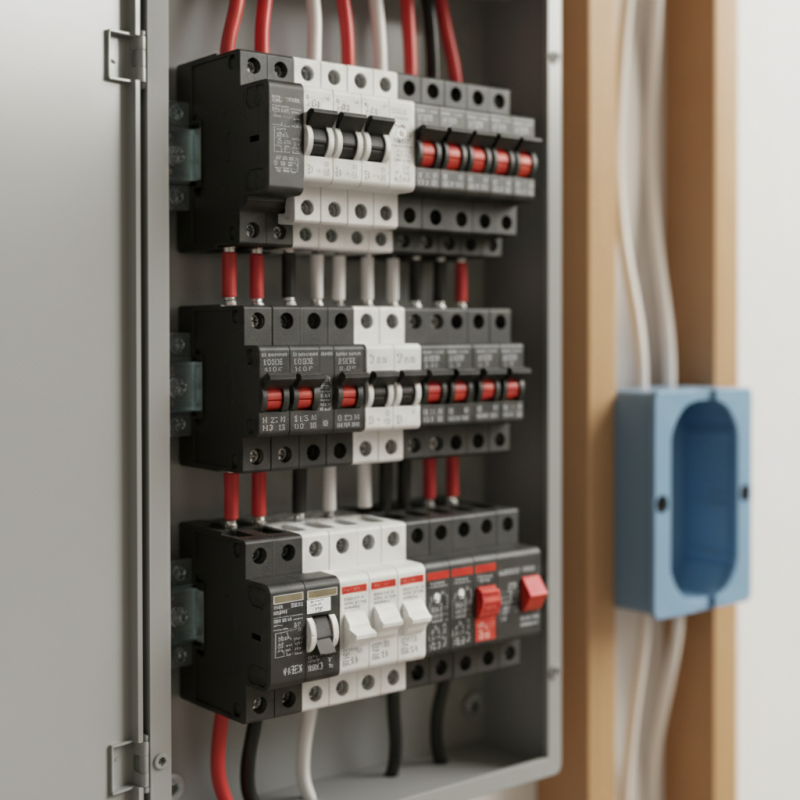
How to Choose the Right Electrical Breakers for Your Needs?

Selecting Electrical Breakers: Understanding Amperage Requirements

When selecting electrical breakers, understanding amperage requirements is crucial. Amperage refers to the maximum current a breaker can handle without tripping. Industry reports indicate that using the right amperage is essential for safety and efficiency. A mismatch can lead to overheating or potential electrical fires, posing risks to both property and life.

The National Electrical Code (NEC) recommends breakers match the wire size in your circuit. For instance, a 15-amp breaker typically pairs with 14-gauge wire. Many homeowners underestimate these specifications. One research study found that nearly 25% of residential electrical issues stem from improper breaker sizing. This suggests many may be using under-rated breakers, risking damage or failure during peak usage.

Consider your appliances' power needs. Common household devices, like air conditioners and microwaves, often demand higher amperage. A standard refrigerator might require a dedicated 20-amp circuit. Ignoring these details can lead to overloading. Reflecting on these choices can make a significant difference in your electrical setup's performance and reliability. Ensure to consult local codes for more precise guidelines tailored to your needs.

Types of Circuit Breakers: Differences and Applications

When selecting circuit breakers, understanding the different types is crucial. There are mainly two categories: standard breakers and specialty breakers. Standard circuit breakers come in two types: thermal and magnetic. Thermal breakers protect against overloads, while magnetic breakers respond to short circuits. According to the National Electrical Manufacturers Association (NEMA), approximately 60% of electrical failures stem from improper circuit protection, highlighting the importance of choosing the right type.

Specialty breakers include Ground Fault Circuit Interrupters (GFCIs) and Arc Fault Circuit Interrupters (AFCIs). GFCIs are essential in wet locations, preventing electrical shocks. Meanwhile, AFCIs reduce the risk of electrical fires by detecting arc conditions. The Consumer Product Safety Commission notes that homes with AFCIs see a 50% reduction in electrical fire incidents. This data emphasizes the significance of selecting the appropriate breaker type based on the specific application.

Selecting the right breaker requires careful consideration of your needs. Not all environments demand the same level of protection. It's common for homeowners to overlook the specific risks associated with their settings. Feedback from electricians suggests a need for better education on circuit breaker applications to prevent misconfigurations that may lead to safety hazards. Understanding circuit types and their applications is not merely a technicality; it's a necessary aspect of electrical safety and performance.

Evaluating Voltage Ratings: Ensuring Compatibility with Electrical Systems

When selecting electrical breakers, voltage ratings play a crucial role in ensuring system compatibility. It is essential to match the voltage rating of the breaker with the electrical system. According to the National Electrical Code (NEC), breakers must align with the system voltage to avoid risks such as overheating or equipment failure. For example, a typical residential circuit operates at 120/240 volts. Using an incompatible breaker can lead to significant safety hazards.

Voltage ratings for breakers typically vary from 120 volts to over 600 volts in commercial applications. Industries often rely on breakers rated for specific voltage levels to maintain operational efficiency. Research from the Electrical Safety Foundation International (ESFI) indicates that mismatched voltage ratings contribute to over 30% of electrical fires in homes and businesses. This statistic underscores the need for proper evaluation when choosing breakers.

Many users overlook the importance of checking voltage ratings. It might seem complicated, yet using a simple multimeter can verify voltage levels. Regular maintenance can reveal discrepancies in voltage readings. A small oversight may lead to larger, costly problems down the line. Thus, understanding voltage ratings not only enhances safety but also prolongs the lifespan of electrical systems.

How to Choose the Right Electrical Breakers for Your Needs? - Evaluating Voltage Ratings: Ensuring Compatibility with Electrical Systems

Breaker Type Voltage Rating (V) Current Rating (A) Compatible Applications Standards Compliance
Single Pole Breaker 120V 15, 20 Lighting, Small Appliances UL, ANSI
Double Pole Breaker 240V 15, 20, 30 Large Appliances, HVAC UL, NEC
Multi-Pole Breaker 480V 30, 60 Industrial Equipment, Motors IEC, UL
GFCI Breaker 120V, 240V 15, 20, 30 Wet Locations, Bathrooms UL, NEC
AFCI Breaker 120V 15, 20 Bedrooms, Living Rooms UL, NEC

Importance of Trip Settings: How They Affect Safety and Performance

Choosing the right electrical breakers significantly impacts safety and performance. The trip settings of a breaker determine how it responds to overloads. Incorrect settings can lead to faults, causing equipment damage or fires. According to a report by the National Fire Protection Association, electrical failures account for over 28% of home fires. This highlights the necessity of appropriately calibrated trip settings.

Tips: Regular testing is crucial. Ensure trip settings match the requirements of your circuit. Consider factors like load size and equipment types.

Underestimating these settings may lead to frequent nuisance trips. Conversely, overly lenient settings can leave circuits vulnerable. American Society of Heating, Refrigerating, and Air-Conditioning Engineers (ASHRAE) emphasizes that adjusting trip settings needs expertise. Seek professional advice, especially in complex installations. Proper training can help individuals make informed choices.

Tips: Consult with a certified electrician. Analyze specific needs and adjust accordingly. Safety should always be a priority, not an afterthought.

Understanding NEC Code Compliance: Guidelines for Electrical Installations

When considering electrical installations, NEC (National Electrical Code) compliance is essential. This code ensures safety and functionality in electrical systems. According to the National Fire Protection Association (NFPA), improperly installed electrical equipment contributes to approximately 27% of residential fires. Understanding NEC guidelines can protect you from potential hazards and costly damages.

It's crucial to choose the right electrical breakers. Breakers must match the load requirements of your home or business. The NEC outlines various circuit requirements based on amperage and usage. For example, a 15-amp circuit is suitable for lighting, while a 20-amp circuit caters to heavier appliances. Failing to adhere to these specifications can lead to breaker tripping or, worse, electrical fires.

Training is vital for electricians and DIY enthusiasts alike. Many misinterpret NEC guidelines, which may lead to unsafe installations. Take the time to review published reports on electrical safety trends. The Electric Safety Foundation International (ESFI) indicates that informed installations decrease risks significantly. Regularly reviewing NEC updates can also prevent gaps in knowledge. Evaluate your approach to electrical work and ensure alignment with current standards.

Electrical Breaker Types and Their Ratings

×
img

    Contact Info

    Phone number

    661-392-8948

    Address info

    3451 Pegasus Drive, Bakersfield, CA USA