2026 How to Choose the Right Electric Forklift Battery?
Choosing the right Electric Forklift Battery is crucial for efficient operations. A well-suited battery enhances performance and longevity. However, the selection process can feel overwhelming. With various options available, knowing what suits your needs is essential.
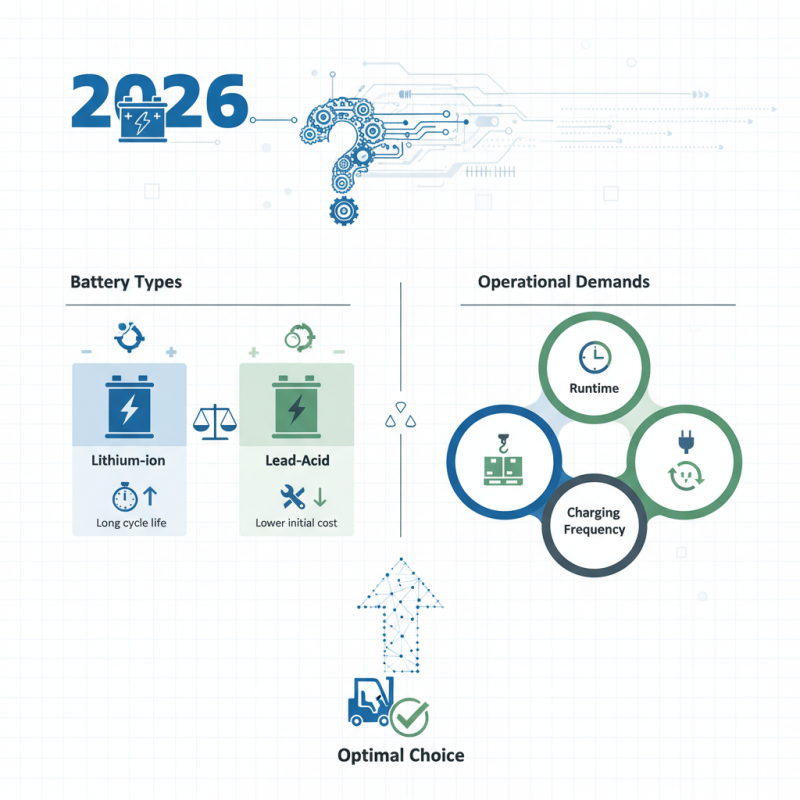
Understanding battery types is a fundamental step. Lithium-ion and lead-acid batteries each offer unique advantages. For instance, lithium-ion batteries charge faster and provide longer cycles. But they often come at a higher initial cost. Lead-acid batteries, on the other hand, are more affordable but may need more frequent maintenance.
Evaluating your operational demands is also important. Consider factors like runtime, load capacity, and charging frequency. A mismatch can lead to operational inefficiencies and unexpected downtimes. Reflecting on these aspects will guide you toward the optimal Electric Forklift Battery for your specific requirements.
Understanding Electric Forklift Battery Types and Technologies
Choosing the right electric forklift battery requires an understanding of various types and technologies. The most common batteries are lead-acid, lithium-ion, and nickel-cadmium. Lead-acid batteries are affordable but have limited cycle life. They typically last about 1,500 cycles, making them less suitable for high-demand operations. Lithium-ion batteries, although pricier, can last over 5,000 cycles and charge quicker. They also have a higher energy density, allowing for longer runtime.
When selecting a battery, consider the specific application. If your operation involves long shifts without breaks, lithium-ion may be the best choice. For less demanding tasks, lead-acid could suffice. It's important to assess your power needs carefully. Industry reports suggest that battery choice can significantly impact operational efficiency. Up to 70% of logistics managers identify battery efficiency as a key factor in optimizing performance.
Tip: Regularly monitor battery health to avoid unexpected downtime. Routine checks can reveal potential issues before they escalate. Incorporating a maintenance schedule for your batteries can extend their lifespan and enhance productivity. Understanding the pros and cons of each battery type will help make informed decisions. Also, reflect on your future needs; technology evolves rapidly, and flexibility is crucial.
2026 Electric Forklift Battery Types Comparison
Factors to Consider When Choosing an Electric Forklift Battery
Choosing the right electric forklift battery is critical for operational efficiency. Several factors influence this decision. Battery type, capacity, and lifespan are key components. Lithium-ion batteries, for example, are known for their longevity and fast charging times. A report by the Forklift Battery Consortium noted that these batteries can outlast lead-acid options by up to five times.
Consider your specific use case. For intermittent use, a lower capacity battery may suffice. However, if you operate continuously, investing in a higher capacity battery can lead to better performance. Energy density is also vital. Higher density means longer operation between charges, which can reduce downtime and improve productivity.
Tip: Calculate the average daily cycles of your operations. This can help identify the best capacity for your needs.
Another crucial aspect is maintenance. Lead-acid batteries require regular watering, while lithium-ion batteries generally do not. According to industry experts, choosing a battery that aligns with your maintenance capabilities can prevent unexpected failures. It's essential to weigh the maintenance demands against your operational resources.
Tip: Analyze the total cost of ownership, including maintenance and charging infrastructure. A thorough breakdown can reveal hidden costs. Consider how different batteries fit into your long-term plans. The right choice can enhance safety, operational flow, and ultimately, profitability.
Comparing Battery Capacity and Performance for Forklift Applications
When selecting the right electric forklift battery, understanding battery capacity and performance is crucial. Different applications mandate varying energy outputs and duration of use. For example, a study by the Industrial Truck Association indicates that the average duty cycle of an electric forklift ranges from four to eight hours. Thus, battery selection directly impacts operational efficiency.
The energy capacity of batteries is measured in ampere-hours (Ah). A higher Ah rating typically allows for longer operation times before recharging. However, it’s essential to balance capacity with the weight and size of the battery. Heavier batteries can reduce the forklift's efficiency and maneuverability, especially in tight spaces.
Tips: Evaluate your specific operational needs. If your forklifts are in multi-shift operations, consider high-capacity lithium-ion batteries. Regular maintenance can also enhance battery life. Monitor the state of charge to maximize efficiency. Always reflect on how different battery types affect overall productivity. This may reveal overlooked issues in your warehouse operations.
2026 How to Choose the Right Electric Forklift Battery? - Comparing Battery Capacity and Performance for Forklift Applications
| Battery Type | Capacity (Ah) | Voltage (V) | Weight (kg) | Usage Duration (Hrs) | Cycle Life (Cycles) |
| Lead Acid | 600 | 48 | 300 | 5 | 1500 |
| Lithium-ion | 500 | 48 | 240 | 6 | 3000 |
| Nickel Cadmium | 400 | 36 | 350 | 4 | 2000 |
| Gel Battery | 550 | 48 | 280 | 5.5 | 1200 |
| Absorbent Glass Mat (AGM) | 650 | 48 | 320 | 6 | 1800 |
Maintenance and Lifespan of Electric Forklift Batteries
When considering electric forklift batteries, maintenance and lifespan play critical roles. Proper care can significantly extend battery life. Regularly checking water levels in lead-acid batteries is essential. Neglecting this can lead to reduced performance and early failure.
Charging practices also impact lifespan. Overcharging can lead to heat buildup, damaging the cells. Timing your charging sessions can make a difference. Using a smart charging system helps manage these risks effectively. It's vital to evaluate battery usage patterns to optimize charging schedules.
Cleaning battery terminals regularly is a simple but often overlooked task. Dirt and corrosion can hinder operational efficiency. Regular maintenance checks ensure that battery health remains optimal, preventing unexpected downtime. However, choosing the right battery type requires thoughtful consideration. Each type has unique maintenance needs and lifespans to weigh against operational demands.
Safety Considerations for Electric Forklift Battery Selection
When selecting the right electric forklift battery, safety is paramount. According to the National Institute for Occupational Safety and Health (NIOSH), improper battery handling can lead to severe accidents, resulting in injuries and equipment damage. Using batteries designed for specific forklifts is crucial. Mismatched components can compromise safety standards.
In addition, the battery's weight distribution affects stability. A battery that is too heavy or improperly placed can lead to tipping. A report from the Center for Advanced Manufacturing indicated that over 40% of forklift accidents are linked to improper battery weight. Regular inspections are essential to ensure that the battery and overall forklift remain in good condition.
Tip: Always wear personal protective equipment when handling batteries. This protects against chemical leaks and electrical hazards.
Another consideration is battery maintenance. Proper charging protocols can prevent overheating or explosions. The Occupational Safety and Health Administration (OSHA) highlights the importance of following guidelines during maintenance checks. Ensure that safety data sheets (SDS) for the battery type are accessible.
Tip: Keep the battery area well-ventilated. This mitigates gas buildup that can pose serious risks.
 (780) 669-9420