Top Tips for Choosing the Best Valves Components for Your Supply Needs

In today's industrial landscape, selecting the right valves components is crucial for ensuring efficiency and safety in operations. According to a recent report by MarketsandMarkets, the global valves market is projected to reach $88.4 billion by 2026. This growth reflects the rising demand for reliable and durable valve solutions across various sectors, including oil and gas, water management, and manufacturing. With such importance, every decision regarding valves components matters significantly.

The complexity of valves components can be overwhelming. Industry experts emphasize understanding specific application requirements before making a choice. Factors such as fluid type, temperature, and pressure ratings are vital. Incorrect selections can lead to costly failures and operational downtime. Furthermore, an inadequately chosen valve can have long-term consequences on system efficiency and maintenance costs.

Data from the Flow Control Industry also highlights that up to 30% of valve failures are due to improper selection and installation. These statistics underline the importance of informed decision-making. Evaluating suppliers' capabilities and product certifications is essential for ensuring that the chosen components will perform reliably over time. Making informed choices requires reflection and due diligence in every step.
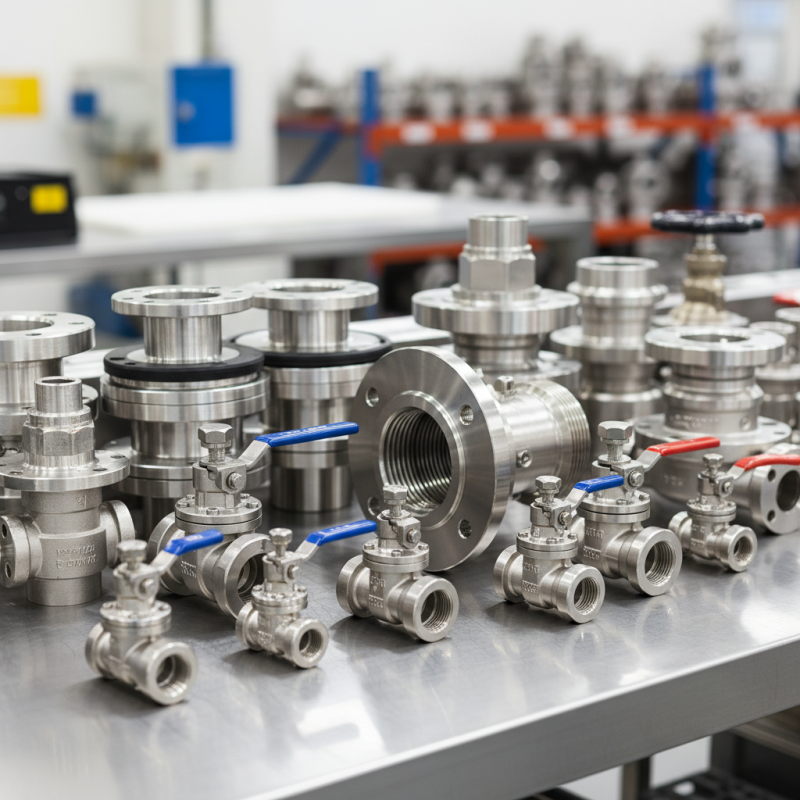
Top Tips for Choosing the Best Valves Components for Your Supply Needs

Understanding Different Types of Valves and Their Applications

Choosing the right valves is critical for efficient operations in various industries. Valves control flow and pressure, impacting performance and safety. Understanding the different types of valves is essential for making informed decisions.

Gate valves are ideal for on/off control. These valves provide minimal pressure drop. However, they are not suitable for throttling. Globe valves, on the other hand, excel in flow regulation. According to a Market Research Report, the valve market is projected to reach $80 billion by 2027. This growth reflects the increasing demand across multiple sectors.

Tip: Always assess the fluid characteristics before selecting a valve. This includes temperature, pressure, and fluid type. Avoid common pitfalls, such as ignoring compatibility. Ball valves offer quick shutoff, but they may not handle high-pressure scenarios effectively. Each valve serves a unique purpose, and knowing their applications allows for better inventory management.
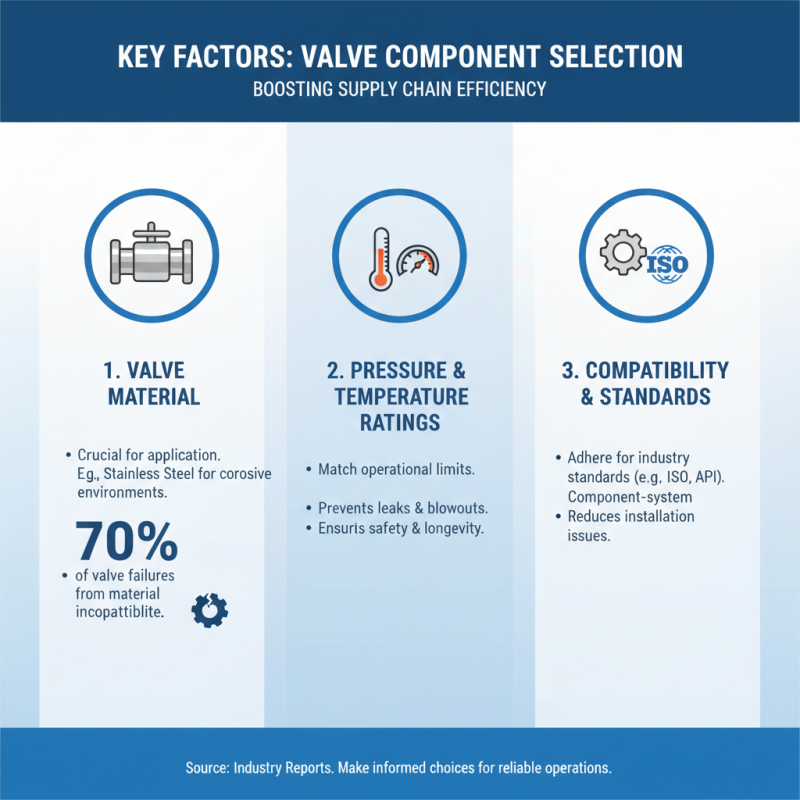
Key Factors to Consider When Selecting Valve Components

Top Tips for Choosing the Best Valves Components for Your Supply Needs

Choosing the right valve components can significantly affect your supply chain efficiency. Understanding key factors in this process is crucial. First, consider the material of the valve. Different applications require specific materials, such as stainless steel for corrosive environments. According to industry reports, up to 70% of valve failures occur due to material incompatibility. This underscores the importance of selecting the right material for your needs.

Another vital factor is the valve size and pressure rating. Valve specifications must align with system requirements. Data shows that improperly sized valves can lead to reduced flow efficiency, affecting overall operations. It’s essential to measure pipe diameter and demand accurately. Ensure compliance with industry standards to avoid costly downtime.

Lastly, strive for customization options. Off-the-shelf components might not fit every unique application. Over 50% of industries report that customized solutions enhance functionality and longevity. Review your specific needs regularly to adjust elements accordingly. It's easy to overlook these details, yet they can dictate the success or failure of valve operations.

Evaluating Material Compatibility for Valve Selection

When selecting valves, material compatibility is crucial. Choosing the right material ensures that the valve functions effectively in its intended environment. Consider the media that will flow through the valve. Corrosive fluids require materials that resist degradation. Stainless steel and certain plastics often fit the bill, but each has limitations.

Evaluating temperature and pressure is also important. High temperatures can weaken some materials. For example, rubber components may fail under excessive heat. It's essential to review the specifications of each material under varying conditions to prevent costly replacements.

Another aspect to ponder is the long-term performance of materials. What seems suitable today may degrade over time. Conducting regular inspections can help identify potential failures early. Balancing performance, durability, and cost requires careful thought. Selecting the wrong material could lead to unexpected downtime or failure, affecting your supply needs.

Analyzing Pressure and Temperature Ratings in Valves

Choosing the right valve components is crucial for any supply system. One key aspect to consider is the pressure rating of the valves. Each valve has a maximum pressure it can handle. Knowing this helps prevent failures and leaks. A valve operating beyond its pressure rating may fail catastrophically. This can lead to downtime and costly repairs.

Temperature ratings are equally important. Valves must also withstand various temperatures during operation. High temperatures can cause materials to degrade. This might not be immediately obvious but can lead to issues down the line. Additionally, some materials perform well in low temperatures but falter at high ones. Evaluating both pressure and temperature ratings helps ensure reliability and performance.

In practice, the right choice often requires careful consideration. Manufacturers sometimes provide vague specifications. Users must ask questions and seek clarity. It’s essential to fully understand the environment in which the valve will operate. Only then can you make informed decisions. A lack of diligence can result in mistakes. It’s worth spending time on this aspect for both safety and efficiency.

Importance of Sourcing from Reputable Manufacturers and Suppliers

When it comes to sourcing valve components, choosing reputable manufacturers and suppliers is crucial. Quality assurance often correlates with the level of expertise and industry recognition. According to a report by the Global Industrial Valves Market, over 70% of companies prefer sourcing from manufacturers with certified quality standards. This indicates that reliability and compliance strengthen supplier-client relationships.

Look for suppliers who provide detailed product specifications and testing data. Such transparency is often a sign of a trustworthy manufacturer. In the valve industry, sourcing components that meet standards like ASTM or ANSI can ensure both durability and efficiency. Opting for suppliers with positive industry feedback and proven track records is essential.

When selecting valve components, consider the manufacturing processes. Advanced technologies in valve production have proven to enhance performance. In fact, studies show that using high-quality raw materials can reduce failure rates by up to 40%. Engaging with knowledgeable suppliers will help you make informed decisions. Always ask questions regarding material certifications and product life cycles to ensure long-term value for your investment.

Top Tips for Choosing the Best Valves Components for Your Supply Needs

Criteria Description Importance Key Considerations
Quality Standards Ensure products meet industry standards (e.g., ISO, ASTM). Critical for safety and reliability. Check certifications and compliance documentation.
Material Suitability Choose materials compatible with the application (e.g., corrosion resistance). Affects lifespan and performance under specific conditions. Consider temperature, pressure, and media type.
Manufacturer Reputation Source from well-established manufacturers. Influences product quality and post-purchase support. Research customer reviews and case studies.
Technical Support Access to knowledgeable support for installation and maintenance. Ensures correct usage and extends product life. Evaluate support resources and availability.
Cost-Effectiveness Balance between price and quality, avoiding the cheapest option. Long-term savings are more important than initial costs. Consider total cost of ownership, including maintenance.
×
img

    Contact Info

    Phone number

    661-392-8948

    Address info

    3451 Pegasus Drive, Bakersfield, CA USA