
Blog
- Home
- Blog
How to Choose the Best Nylon Insulated Terminal for Your Project?
Choosing the right Nylon Insulated Terminal is crucial for any electrical project. These terminals offer durability and insulation, ensuring safety and reliability. However, with various options available, making the right choice can be challenging.
Consider the specific needs of your project. Think about the wire gauge and the terminal's size. The right terminal will enhance connection stability. It’s important to reflect on the environment where the terminal will be used. Extreme temperatures can affect performance.
Not all Nylon Insulated Terminals are created equal. Some may not withstand heavy use. This could lead to failures down the line. Pay attention to quality and manufacturer reputation. This is an area where many overlook details, leading to issues later on. Engaging with expert advice can provide clarity in your choices.
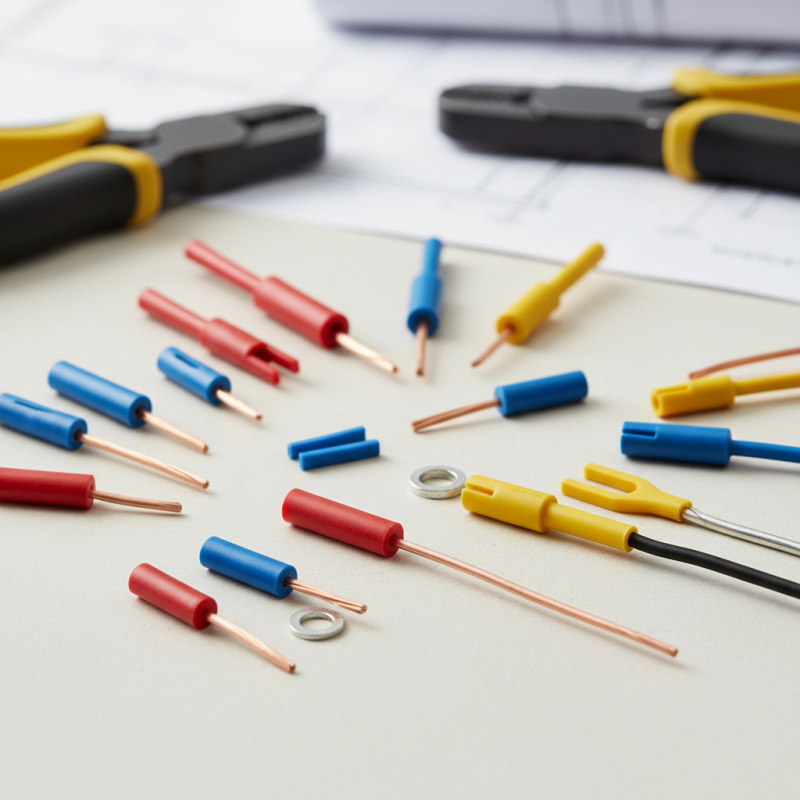
Understanding Nylon Insulated Terminals and Their Benefits
Nylon insulated terminals are essential for many electrical projects. They provide a sturdy and reliable connection while protecting against corrosion. Their durability sets them apart from other types of terminals. Choosing the right ones can greatly enhance your project’s overall safety and efficiency.
When selecting nylon insulated terminals, consider the wire gauge. The size should match your wire, ensuring a tight fit. An incorrect size may lead to connectivity issues. Think about the environment, too. If your project is outdoors, look for terminals that resist moisture and UV rays.
Tips: Always maintain a clean working area. This helps prevent contamination during installation. Test each connection after crimping or soldering. A simple test can reveal problems before they escalate. Remember, proper installation is crucial for long-term reliability. Don't hesitate to review your choices. Reflect on the installation process and the tools you used. Adjustments may be necessary to improve future efforts.

Key Factors to Consider When Choosing Nylon Insulated Terminals
When choosing nylon insulated terminals, consider key factors that contribute to their effectiveness. Material quality is critical. The nylon used should resist heat, chemicals, and abrasion. Look for terminals that meet UL 94 V-2 standards. These have a flammability rating that ensures safety in various environments.
Size matters, too. Ensure the terminal fits snugly on the wire gauge you plan to use. A loose fit can lead to poor connections and increased resistance. According to industry data, connections with higher resistance can produce unwanted heat, risking damage to your project. Consult detailed wire insertion specifications for optimal choices.
Tips: Always check for compatibility with your connectors. Some terminals work better with specific wiring types. Take the time to read product reviews. User experiences can highlight hidden issues with durability or fit. Remember, even the best terminals can fail if not installed correctly. Double-check your connections for security.
Comparison of Key Factors in Choosing Nylon Insulated Terminals
Types of Nylon Insulated Terminals Available in the Market
When choosing nylon insulated terminals, it's crucial to know the types available. Different projects may require different features. The most common types include ring terminals, spade terminals, and butt connectors. Each serves a unique purpose in electrical connections.
Ring terminals provide a secure connection to a stud or bolt. They are ideal for grounding applications. Spade terminals offer flexibility, allowing easy connection and disconnection. Butt connectors are used for joining two wires end-to-end. Selecting the right type depends on your project's specific needs.
Nylon insulation can enhance durability and resistance to heat and moisture. However, not all terminals are suitable for every environment. It's vital to assess factors such as temperature and exposure. Reflect on your application carefully. Make an informed choice based on your requirements.
How to Properly Size Nylon Insulated Terminals for Your Application
Choosing the right nylon insulated terminal for your project involves careful sizing to ensure optimal performance. Proper sizing is vital because it affects the electrical connection and overall reliability. To start, you need to determine the wire gauge you are working with. Look for a chart that correlates wire sizes with terminal sizes. This step helps prevent mismatches that can lead to failures.
You should also consider the current load. Different terminals can handle varying amounts of current. If the terminal is too small, it can overheat. If it’s too large, it might not fit snugly. It's essential to think about the environment as well. High temperatures, moisture, and vibration can affect your choice, so gaining a deep understanding of your application is crucial.
Common mistakes occur when one focuses solely on the terminal’s size. Sometimes, people overlook the insulation types. Choosing subpar insulation can lead to issues down the line. Reflect on your project needs and double-check before purchasing. Portability or permanent installation can change requirements. The process may seem simple, but attention to detail is paramount.
How to Choose the Best Nylon Insulated Terminal for Your Project?
| Terminal Type | Wire Gauge | Max Voltage (V) | Current Rating (A) | Typical Applications |
|---|---|---|---|---|
| Fully Insulated Female | 14-16 AWG | 600 | 12 | Automotive, Household wiring |
| Fully Insulated Male | 14-16 AWG | 600 | 12 | Automotive, Marine applications |
| Ring Terminal | 10-12 AWG | 300 | 30 | Battery connections, Heavy machinery |
| Disconnect Terminal | 16-18 AWG | 300 | 10 | Power tools, Appliances |
Tips for Ensuring the Right Installation of Nylon Insulated Terminals
Selecting the right nylon insulated terminal is crucial for any project. A well-executed installation can greatly enhance performance and reliability. Poor choices can lead to short circuits or other failures. According to industry reports, improper connections account for up to 30% of electrical failures.
When installing nylon insulated terminals, ensure proper gauge size. A mismatch can cause heating or inefficient power transfer. It's smart to use terminals rated for your specific application. This means considering factors like voltage and current loads. The insulation quality matters too. Quality insulation can resist chemical exposure and heat better, increasing longevity.
Always check for secure connections. A loose terminal can lead to intermittent failures. It's essential to crimp correctly, as over or under-crimping can compromise performance. Reports indicate that many electricians underestimate the importance of proper crimping techniques. Reflecting on common installation mistakes can lead to more reliable outcomes. Aim for a hands-on approach and prioritize precision.
(780) 669-9420