
How to Choose the Right Flame Arrester for Your Needs?

Choosing the right Flame Arrester for your needs is crucial for safety. A Flame Arrester is a vital device that prevents flames from traveling back to a fuel source. Understanding the specific requirements of your application is key to making an informed choice.

Consider factors like the type of gas and environmental conditions. Not all Flame Arresters are equal; each type serves different purposes. Efficiency, installation, and maintenance are also critical aspects to think about. Think about what works best for you.

Reflect on your unique situation and ask questions. Are you prioritizing safety? Is performance your main concern? The right Flame Arrester can prevent disasters, but poor choices may lead to failures. Your decision matters greatly in ensuring a secure environment.
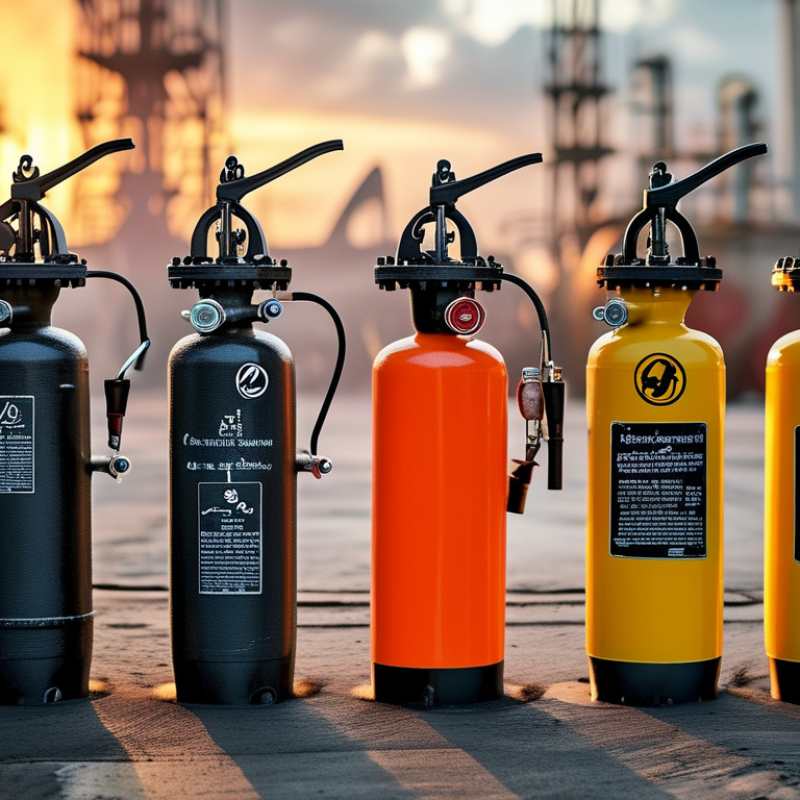
How to Choose the Right Flame Arrester for Your Needs?

Understanding Flame Arresters: Definition and Functionality

Flame arresters play a critical role in various industries. They are essential devices designed to prevent flames from propagating back into a source of flammable gases or liquids. Understanding their functionality is key to ensuring safety. Flame arresters work by cooling and quenching the flame front. This is achieved through various mechanisms, such as restricting the flow path or utilizing materials that absorb heat.

Different types of flame arresters exist based on specific applications. For example, some are used in pipelines, while others are suited for tanks or vents. The choice of a flame arrester should align with the nature of the substance involved. It's essential to consider the temperature, pressure, and environmental conditions too. The selection process may feel overwhelming, and sometimes users might overlook critical aspects. Reflection on past incidents in similar applications can be a valuable learning experience.

While guidelines exist, installation and maintenance are often overlooked. Proper installation is crucial for performance; however, many facilities may neglect this step. Regular inspections and testing can help identify possible issues, but these practices are sometimes done infrequently. This inconsistency can lead to potential hazards. Users should be proactive in enhancing their understanding of flame arresters to make informed decisions.

Types of Flame Arresters: Applications and Efficiency Ratings

When selecting a flame arrester, understanding the types and their applications is crucial. There are generally two main categories: passive and active flame arresters. Passive types work by utilizing barriers to extinguish flames. They often excel in static applications. Active types, on the other hand, rely on additional systems to detect and extinguish flames. This distinction can impact efficiency ratings significantly.

Each type has its own efficiency ratings, which influence their suitability for different environments. For instance, some passive arresters perform exceptionally well in low-pressure systems, while others may not function effectively in dynamic conditions. Choosing the wrong type can lead to safety hazards. It's essential to consider the specific needs of your application, including the potential for varying pressure and flow rates.

While flame arresters are effective, they are not infallible. Regular maintenance is needed to ensure their reliability. Sometimes, environmental factors, such as corrosion or contamination, can affect performance. An arrester may look perfect on the outside but could still fail under certain conditions. Always conduct thorough research and consult with professionals for the best option tailored to your situation.

Key Considerations: Material, Size, and Installation Requirements

Choosing the right flame arrester involves careful consideration of material, size, and installation requirements. The right material is crucial. Different environments pose unique hazards. For instance, stainless steel often offers durability in harsh conditions. Aluminum might be lightweight but could lack the longevity required in certain applications. Understanding the specific risks in your setting is essential. Sometimes the material choice might seem obvious, but you may be surprised by how it affects performance.

Size is another important factor. A flame arrester must fit properly within your system. Too small, and it may not effectively prevent flames. Too large, and it may create unnecessary pressure drops or operational issues. Measuring the installation space accurately can prevent mistakes. Many users overestimate their needs, leading to inefficient selections.

Installation requirements also play a vital role. Proper mounting is essential for optimal function. Following guidelines is necessary, but sometimes standards can seem vague. Missing these details can be costly. It’s often beneficial to consult with experts or refer to reliable sources for installation recommendations. Achieving the right setup may require revisiting your initial plan.

Industry Standards and Regulations for Flame Arrester Selection

When selecting a flame arrester, understanding industry standards and regulations is crucial. Many industries rely on guidelines provided by organizations like NFPA and API. These standards ensure that flame arresters function effectively and reduce the risk of fire hazards. Compliance with regional regulations is also essential. Variations may exist based on geographical locations. Familiarizing yourself with these requirements is vital for safety.

A well-chosen flame arrester helps prevent dangerous conditions. Different applications require different certifications. Your selection should match the specific needs of your operation. It’s tempting to choose generic options, but this could be risky. Carefully evaluating your operational environment is key. Understand the materials you handle and the potential ignition sources.

Consider consulting industry professionals or technical resources. This can provide clarity on intricate specifications. Do not rush the selection process; take time to reflect on your needs. Proper installation and maintenance are equally significant. Regular checks can prevent unexpected failures. Appropriate research and site assessments contribute to a safer workspace. Always remember that safety first should drive your choice of flame arresters.

How to Choose the Right Flame Arrester for Your Needs?

Criteria Details Industry Standards Applications
Type of Flame Arrester Deflagration or Detonation NFPA 69, API RP 2001 Storage tanks, Pumps
Material Aluminum, Stainless Steel ASME B31.3, ISO 80079-36 Chemical processing, Oil & gas
Flow Rate Nominal or Maximum ATEX, FM Ventilation systems, Fuel lines
Temperature Range Ambient to High-Temperature Materials: ASME B16.34 Heated processes, External environments
Maintenance Requirements Routine Inspections & Cleaning OSHA, EPA Refineries, Manufacturing

Maintenance and Testing Practices for Optimal Flame Arrester Performance

Maintaining a flame arrester is vital for its effectiveness. Regular inspection is essential. This involves checking for debris or corrosion. Ensure all parts are clean to allow for optimal performance. Proper maintenance can prevent catastrophic failures and prolong equipment life.

Testing your flame arrester is equally important. Conduct routine performance checks to ensure it meets safety standards. It's advisable to use a certified technician for complex evaluations. They can help identify early signs of wear or inefficiency. Be proactive in addressing any detected issues.

An important consideration is the environment in which the flame arrester operates. Changes in temperature or pressure can impact its function. Understand your specific requirements and adjust maintenance practices accordingly. Using the correct cleaning techniques and test methods can make a significant difference. Be aware that neglecting these practices could lead to costly consequences. Prioritize your flame arrester's health for safety and operational reliability.

×
img

    Contact Info

    Phone number

    661-392-8948

    Address info

    3451 Pegasus Drive, Bakersfield, CA USA