
Blog
- Home
- Blog
How to Choose the Best Fairway Mats for Your Golf Course?
Choosing the right Fairway Mats is crucial for enhancing the playability and safety of golf courses. A recent industry report by Global Market Insights indicated that the demand for quality fairway mats has surged by 30% over the last five years. This trend reflects a growing recognition of how these mats can safeguard turf health while providing consistent playing conditions.
Expert in golf course management, Dr. Samuel Green, emphasizes that “Fairway Mats are essential for maintaining quality in varying weather conditions.” His insights highlight the importance of investing in superior materials that can withstand wear and tear.
Selecting the best Fairway Mats involves considering factors such as durability, material composition, and maintenance requirements. While many options exist in the market, not all mats are created equal. Understanding specific needs based on your course’s location and climate can help avoid common pitfalls. Ensuring that your choice enhances both player experience and course longevity is key.
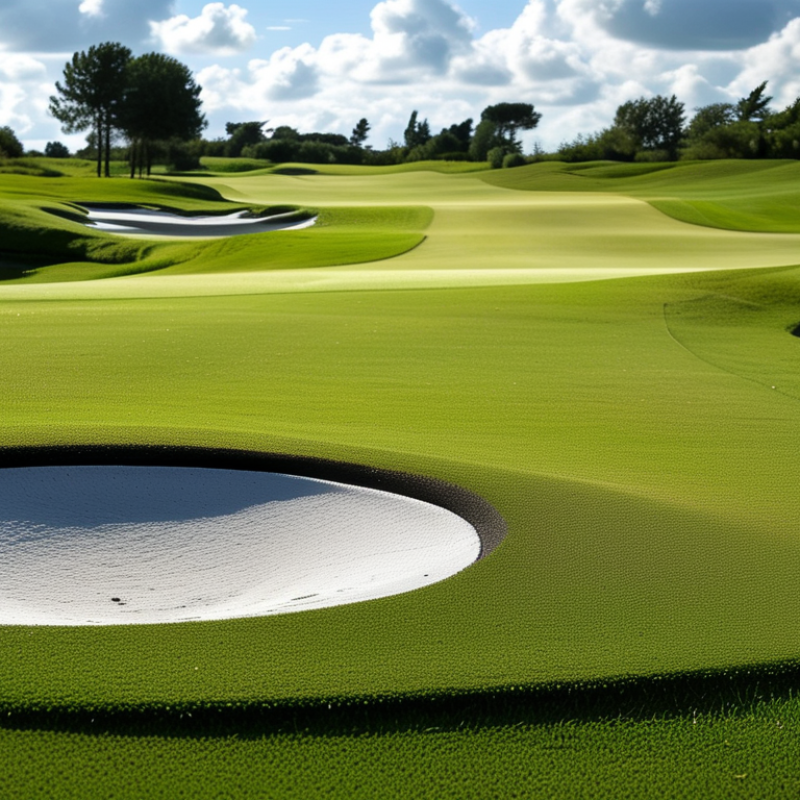
How Fairway Mats Improve Golf Course Playability and Maintenance
Fairway mats are an effective solution for enhancing playability on golf courses. They create a uniform surface for golfers, leading to a consistent experience. When conditions are less than ideal, such as wet or muddy grass, mats help maintain the course's usability. They minimize damage to turf and allow for year-round play, enhancing overall course maintenance.
Using fairway mats can improve the aesthetics and structure of the course. They provide additional grip and traction for golfers, especially during challenging weather. For maintenance teams, these mats reduce wear and tear on natural grass. This can lead to cost savings in the long run. However, it's important to choose mats that suit your course's specific needs and turf type.
Balancing aesthetics and practicality is crucial. While mats can improve playability, they may not appeal to purists who prefer natural grass. Their installation might require additional planning to maintain course design. Golf courses should regularly evaluate the conditions of their fairway mats. This ensures they continue to serve their intended purpose without detracting from the overall golfing experience.

Key Factors to Consider When Choosing Fairway Mats for Golf Courses
When selecting fairway mats for a golf course, consider the material. Different materials offer varying durability and feel. Some may wear down quickly under frequent use, while others can withstand harsh weather. Assess your course's climate and level of play. A mat that performs well in one environment may fail in another.
Another key factor is thickness. Thicker mats can provide better shock absorption and a more realistic turf-like experience for golfers. However, they might be heavier and harder to move. Think about the layout of your course and how frequently you'll need to reposition mats. Weight matters here. Surface texture is vital as well. A textured mat mimics grass better, enhancing gameplay. Smooth mats can lead to inconsistent ball behavior.
Lastly, consider the ease of installation. Some mats require complex setups, while others are straightforward and user-friendly. If your staff is not trained in installations, complications could arise. Reflect on the overall budget too. Higher quality options may require more investment upfront, but they often save costs over time. Balancing initial cost with long-term value can be challenging. Always keep your golfers' experiences in mind; their feedback will guide future purchases.
Comparative Analysis of Materials Used in Fairway Mats: Pros and Cons
Choosing the right fairway mats for a golf course is vital. The materials used can significantly affect performance and durability. Common materials include synthetic turf, rubber, and natural fibers. Each has its pros and cons.
Synthetic turf is often favored for its resilience and ease of maintenance. It allows for consistent ball behavior, even in poor weather. According to a report from the USGA, synthetic mats can reduce maintenance costs by up to 30%. However, they lack the feel of natural grass. This can affect golfers' experiences and performance in the long term.
Rubber mats provide good shock absorption. They can withstand heavy foot traffic, making them ideal for busy courses. Yet, they can wear out quicker than expected, leading to replacement issues. Natural fiber mats offer better aesthetics and a more authentic feel. Yet, they often require more maintenance and can degrade faster compared to synthetic alternatives.
With these insights, golf course managers should weigh their options carefully. Each material has its trade-offs that can impact overall course quality.
Impact of Fairway Mats on Turf Health and Soil Compaction: Industry Insights
Fairway mats have become essential tools for golf courses aiming to maintain healthy turf and mitigate soil compaction. Studies show that grass grown on mats is less prone to wear and tear. According to the USGA, using these mats can reduce soil density by approximately 30%. This allows for better root development and enhances overall grass health.
However, the application of fairway mats is not without its challenges. In some cases, improper use can lead to water pooling and localized dry spots. It's crucial to monitor moisture levels closely. Reports indicate that up to 15% of golf courses face issues related to turf disease when fairway mats are mismanaged. Understanding the unique soil composition and climate conditions of each course can help in selecting the best mat. This is critical to sustaining turf vitality.
Moreover, while mats help alleviate compaction, they are not a one-size-fits-all solution. Some courses report mixed results regarding playability and aesthetics. According to turf management experts, ongoing research is needed. The varying local conditions and player preferences may play significant roles in determining the overall effectiveness of fairway mats.
Best Practices for Installation and Maintenance of Fairway Mats on Courses
When it comes to installing fairway mats, proper techniques can enhance their lifespan and playability. A 2022 report from the Golf Course Superintendents Association highlights that improper installation can lead to premature wear. This emphasizes the importance of professional expertise during setup. Proper alignment and secure anchoring are crucial for mat stability. Many courses face challenges when mats shift, affecting the golfer's experience. Regular inspections reveal whether mats are level or need adjustment.
Maintenance is as critical as installation. Frequent cleaning is necessary to prevent debris build-up, which can hinder water drainage. The National Golf Foundation suggests that mats should be inspected quarterly. Not only does this ensure optimal performance, but it also prolongs their life. However, many facilities overlook minor wear and tear, which can escalate into larger issues. Keeping mats clean and free of moisture can mitigate these risks.
Courses should stay informed about the latest materials and technologies in mat design. A study by the USGA indicates that newer synthetic options can offer improved durability and comfort. Still, the transition requires careful planning and investment. Judiciously selecting and maintaining fairway mats can significantly enhance course quality. Golfers will notice the difference when mats are well cared for.
(780) 669-9420