

How to Choose the Best Off Grid Solar System in 2026?

In 2026, choosing an Off-Grid Solar System means matching equipment to your daily life, not just buying the largest battery. Start with a realistic load list: a refrigerator, well pump, lights, router, and the occasional power tool. Note each appliance’s running and startup demand. Small details matter. A pump that runs briefly can still require a powerful inverter.

Next, compare usable battery capacity, solar-panel output, inverter ratings, and backup options as one connected system. Ask how many cloudy days the design can cover, and whether future loads can be added. Battery capacity on a brochure may not equal energy you can comfortably use. That distinction is easy to miss. Check the assumptions behind every estimate, including seasonal sunlight and your actual consumption records.

A dependable choice should include clear equipment specifications, credible warranties, monitoring, and support from a qualified solar professional. Ask for an explanation of system sizing in plain language, not only a polished sales estimate. If possible, review a detailed load calculation before committing. Real homes rarely follow perfect spreadsheets; habits change, and estimates can be wrong. Leave some room for that uncertainty. This guide explores the practical trade-offs behind cost, reliability, and expandability, so you can judge which setup fits your site and priorities. There is no universal best system—only a well-matched one.
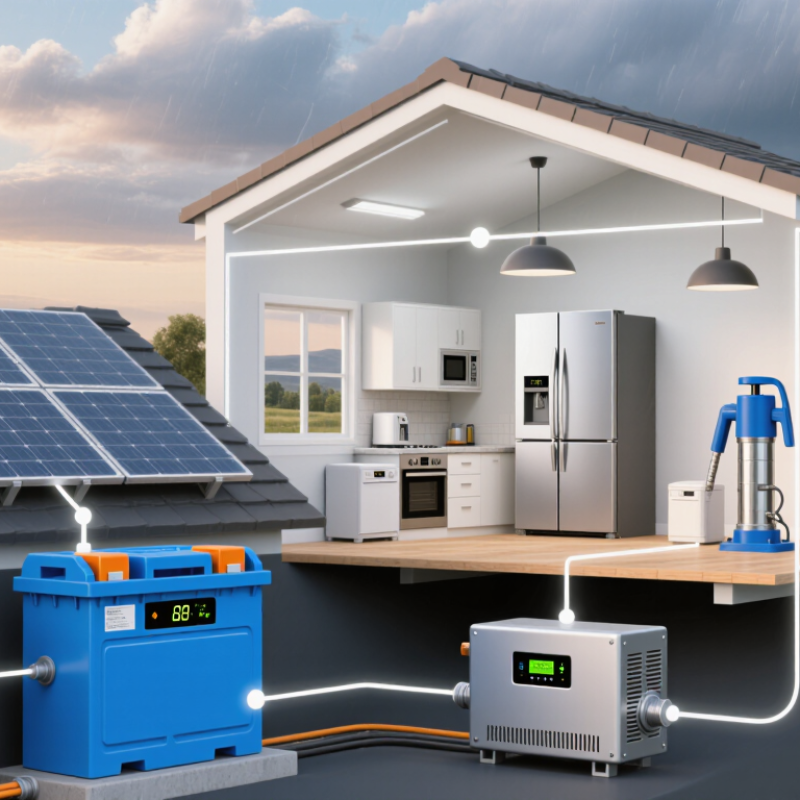
How to Choose the Best Off Grid Solar System in 2026?

Define Your Off-Grid Power Needs and Usage Patterns

Before selecting an off-grid solar system, list the devices you expect to run and how long you use each one. A refrigerator may draw modest power but operate all day, while a kettle uses much more power for only a few minutes. Record each appliance’s wattage and daily hours, then estimate its energy use in watt-hours. Add the figures to find your typical daily demand. Check startup surges too; pumps and some refrigerators briefly need extra power.

Your schedule matters as much as your total. Note which loads run after sunset, when panels are not producing electricity. A cabin used mainly on weekends may need a different battery plan from a home occupied every day. Track usage for at least a week, including cloudy days and seasonal changes. My first estimates would be too optimistic if they ignored winter lighting and longer indoor hours. Leave room for uncertainty.

Tips: Photograph appliance labels, and note when several devices run together. Separate essential loads, such as a refrigerator or medical equipment, from optional ones. Small details count. A pump cycling overnight can change the battery capacity you need.

Define Your Off-Grid Power Needs and Usage Patterns

Estimate how much energy your appliances use each day before choosing an off-grid solar system. The example below represents an illustrative small household; actual consumption varies by appliance, climate, and usage habits.

How to use this: Estimate each appliance’s energy use by multiplying its wattage by the hours it runs, then add the daily totals. Include occasional high-power loads and account for seasonal changes when sizing your battery and solar array.

Assess Your Location, Sunlight, and Installation Site

Start with the installation site, not the panel count. An off-grid system must serve daily loads and recharge batteries through cloudy periods. Note roof or ground orientation, usable area, and shade at different hours. A chimney’s narrow shadow can matter more than it seems. Compare monthly sunlight estimates, not just annual averages. NREL’s PVWatts Version 8 documentation uses solar-resource data and assumes 14% system losses by default. That is a useful warning: rated panel output is not the energy you can use (NREL, PVWatts Calculator documentation).

Check your location’s seasonal resource with NREL’s National Solar Radiation Database or the World Bank’s Global Solar Atlas. Pay special attention to the lowest-sun months; a strong summer average can hide a winter shortfall. Then inspect the actual mounting area for trees, roof condition, ventilation, snow, and safe access. Keep the battery location dry and consider cable distance when planning the layout. Small details matter. I would still verify shading onsite, because maps cannot capture every branch or nearby structure. Record loads and site limits before sizing equipment; otherwise, the estimate may look reassuring and still miss a real constraint.

Size the Solar Array, Battery Bank, and Inverter

Sizing an off-grid system starts with measured energy use, not roof space. Record each appliance’s watts and daily running hours for a week, including pumps, refrigeration, and evening lighting. A plug-in energy meter can reveal surprises. Add the daily watt-hours, then allow for inverter and wiring losses.

For example, a cabin using 4 kWh daily in a location with four peak sun hours may need about 1.5 kW of solar panels. This assumes roughly 25 percent combined losses; cloudy seasons may require more capacity. Use the weakest month’s solar estimate, not the annual average. Shade from a chimney can also reduce output, even when most panels sit in full sun.

Battery capacity depends on how long you need power without useful sunlight. Two days of autonomy for that cabin means 8 kWh of delivered energy. At an 80 percent usable depth of discharge, the bank needs at least 10 kWh nominal capacity, with additional allowance for conversion losses and cold conditions. A little margin helps. For the inverter, add the continuous wattage of appliances likely to run together, then check the largest motor’s startup surge. A well-sized system still involves trade-offs; I would revisit the assumptions after tracking real use through one winter.

Compare System Components and Off-Grid Configurations

Choosing an off-grid system means matching the array, battery, inverter, and backup source to your actual loads. List appliances and their wattage, then note how many hours each runs. A refrigerator cycling overnight needs a different battery reserve than a water pump used briefly at noon. Winter matters. Short days can expose an undersized array fast.

For a new installation, DC-coupled solar typically sends panel power through a charge controller into the battery, then through an inverter to household AC loads. It can be efficient, but components must be sized together. AC-coupled systems suit some existing solar setups: they are flexible, though extra conversions may reduce efficiency. A generator can cover prolonged cloudy spells; it should support, not disguise, weak system sizing. I would size cautiously. Forecasts are never perfect.

Battery costs need context. BloombergNEF’s 2024 Battery Price Survey reported an average lithium-ion pack price of $115 per kilowatt-hour, down 20% from 2023. That is a pack-level benchmark, not the installed price of a home storage system. Compare usable capacity, inverter surge rating, battery chemistry, cold-weather limits, and replacement access—not just the quoted kilowatt-hours. For remote cabins, a simple, repairable configuration may beat a more complex setup. Maybe not always. A careful load estimate is still the part people most often rush.

Evaluate Costs, Safety Standards, and Long-Term Maintenance

An off-grid system’s quoted price is only the starting point. Ask for an itemized estimate covering panels, inverter, batteries, mounting, wiring, permits, and installation. Compare usable battery capacity, not just advertised capacity; keeping reserve power for cloudy days affects the budget. A simple load audit helps: note refrigerator wattage, water-pump run time, and winter heating needs. Even a careful estimate can miss something.

Safety deserves equal attention. Look for equipment tested to recognized electrical and battery safety standards, and ask how the installation will meet local requirements. Battery chemistry affects ventilation, temperature limits, and placement. Keep batteries away from living areas when the equipment instructions require it, and ensure suitable disconnects and overcurrent protection are included. Small details matter. Have a qualified professional review the design, especially if you are unfamiliar with electrical work.

Long-term costs include more than replacements. Check the maintenance schedule for cleaning panels, inspecting cable connections, and testing battery performance. Dust, snow, corrosion, and loose terminals can reduce output or create hazards. Ask how warranty coverage handles labor and shipping, not only parts. Also confirm whether replacement components will fit the original system. A planning spreadsheet may look precise, but actual energy use changes with seasons, guests, and new appliances; revisit your assumptions after the first year.

×
img

    Contact Info

    Phone number

    661-392-8948

    Address info

    3451 Pegasus Drive, Bakersfield, CA USA