Blog
- Home
- Blog
How to Choose the Best Pipe Fitting for Your Project?
Choosing the right Pipe Fitting can significantly influence the success of your project. Industry expert John Williams, a seasoned plumber with over 20 years of experience, emphasizes, "The right fitting is as crucial as the pipe itself." His words underline the importance of understanding the various types of pipe fittings available.
Pipe fittings come in diverse materials and sizes, each serving unique purposes. A poor choice can lead to leaks and costly repairs. Consideration of the specific application is vital. For example, stainless steel fittings are ideal for high-pressure systems. Conversely, PVC fittings may suffice for irrigation projects.
It’s essential to reflect on your project needs carefully. Mistakes in selecting the fitting type can be frustrating and detrimental. Analyze your environment, budget, and long-term goals. Through thoughtful decision-making, your project can thrive with the proper pipe fitting in place.
Understanding Different Types of Pipe Fittings and Their Uses
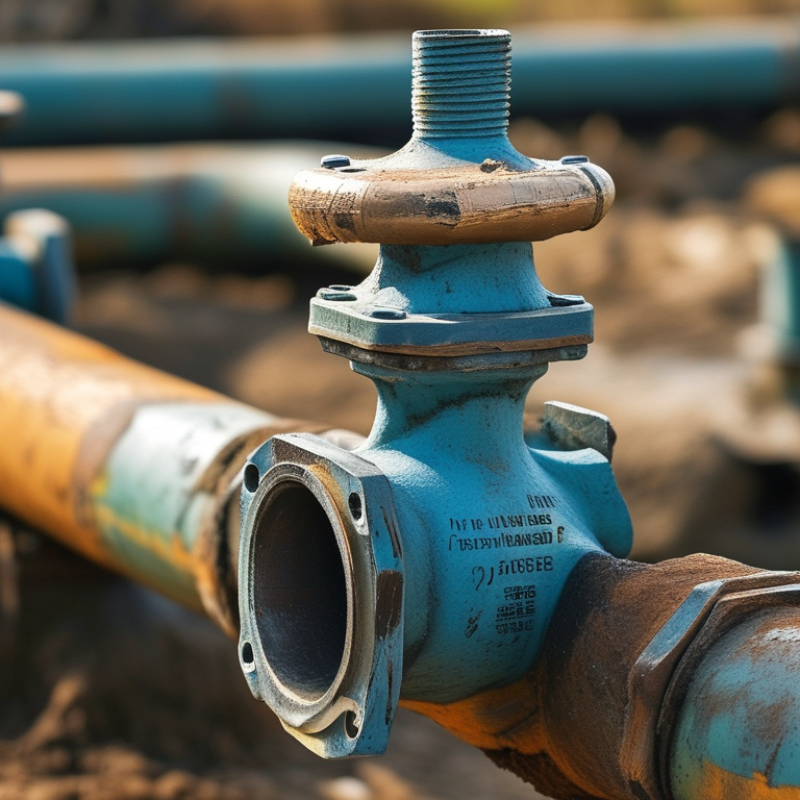
When choosing pipe fittings, understanding their types is crucial. Four main categories exist: elbows, tees, couplings, and flanges. Each type serves a unique purpose in piping systems. Elbows change the direction of the pipe, often at a 90-degree or 45-degree angle. They are vital for rerouting lines in a compact space. Tees, on the other hand, connect three pipes. They allow for branching, which is essential in many plumbing or industrial systems.
Couplings join two pipe segments. These fittings ensure a secure and leak-proof connection. They come in various sizes and materials, catering to different applications. Flanges, however, create a strong connection between pipes and equipment. They allow for easier access for maintenance. Selecting the wrong fitting can lead to leaks or pressure issues.
Consider the material of each fitting as well. Different projects may require PVC, copper, or steel fittings. Each has specific properties regarding durability and resistance. Sometimes, the choice may not be clear-cut. This uncertainty can result in struggles during installation or functionality down the line. It's important to weigh all options before deciding.
Key Considerations When Selecting Pipe Fittings for Your Project
When selecting pipe fittings for your project, there are several key considerations to keep in mind. First, the material of the fittings plays a crucial role. Common materials include PVC, copper, and stainless steel. According to industry reports, over 70% of professionals prefer PVC for its durability and cost-effectiveness in non-pressurized applications. However, some projects may require metal fittings for high-temperature environments.
Another important factor is the fitting's compatibility with existing pipes. Misalignment can lead to leaks and costly repairs. For instance, using incompatible fittings can reduce overall system efficiency by up to 25%. It’s essential to measure your pipes accurately and ensure that the fittings match the diameter and type needed for your project.
Tips: Always conduct a fitting test before full installation. A small trial can save time and money. Ensure that you have the right tools for assembly. This can prevent damage and improve joint quality.
Keep in mind that local regulations may also dictate certain standards for pipe fittings. It’s advisable to consult local codes to avoid compliance issues. Reflect on past projects. Learning from previous mistakes can help refine your selection process. Always prioritize quality over cost when choosing fittings. Balancing these considerations can lead to a successful project outcome.
Material Choices: Comparing Metal, Plastic, and Other Pipe Fitting Options
Choosing the right pipe fitting material is crucial for any project. Metal, plastic, and other options each have unique characteristics. Metal fittings, such as stainless steel, are known for strength and durability. They can withstand high pressure and varying temperatures. However, they can be expensive and may corrode over time. Regular maintenance is necessary to ensure longevity.
On the other hand, plastic fittings offer a lightweight and cost-effective alternative. PVC and CPVC are common choices that resist corrosion and are easy to install. They are great for low-pressure applications but may not perform well in extreme temperatures. Evaluating your project's specific needs is essential. Sometimes, a hybrid approach using both materials can maximize efficiency and performance.
Consider the environment where the fittings will be used. Certain materials may degrade faster in specific conditions. Reflect on your choice carefully. If metal corrode or plastic cracks, it could lead to significant issues down the line. Weighing the advantages and disadvantages of each option can ensure a better fit for your needs.
Material Choices for Pipe Fittings
Sizing and Compatibility: Ensuring Proper Fit for Your Piping System
When selecting pipe fittings for any project, sizing and compatibility are crucial factors. The correct pipe fitting guarantees efficient flow and minimizes potential leaks. Measurement should always be precise. Even a slight miscalculation can lead to significant issues. You might think you’ve measured correctly. However, a visual inspection often helps catch errors. Always cross-check size specifications from reliable sources.
Compatibility with existing piping systems is another vital consideration. Different materials can respond differently to temperature changes. This mismatch might cause failure or reduce lifespan. For instance, mixing metal and plastic fittings can lead to unforeseen problems. It’s not just about the dimensions; the material properties matter. Think about the environment where the piping will be installed. Exposure to chemicals or extreme conditions can affect performance and longevity.
Overlooking these details can be detrimental. Many assume that one fitting type works for all projects. This misconception can lead to costly repairs or complete system failures. Engage with industry professionals if necessary. Their expertise can provide insights that are often overlooked. A thorough review of specifications and conditions is essential for ensuring a proper fit.
How to Choose the Best Pipe Fitting for Your Project?
| Pipe Material | Fitting Type | Diameter (inches) | Pressure Rating (psi) | Temperature Range (°F) | Compatibility |
|---|---|---|---|---|---|
| PVC | Elbow | 1.5 | 150 | 32 - 140 | Water, Wastewater |
| Steel | Coupling | 2 | 3000 | -20 - 500 | Oil, Gas |
| Brass | Adapter | 0.75 | 600 | 32 - 250 | Water, Air |
| PEX | Reducer | 5/8 to 1 | 100 | 33 - 200 | Water |
| Copper | Tee | 1 | 800 | -40 - 400 | Water, Refrigeration |
Common Mistakes to Avoid When Choosing Pipe Fittings for Projects
When embarking on a project that involves pipe fittings, it's easy to underestimate the complexity. Many people make the mistake of choosing fittings based solely on immediate needs. This can lead to future issues such as leaks or incompatible materials. Carefully considering the material type is crucial. Different types of projects require different materials. For example, PVC and copper serve very different purposes.
Another common error is ignoring the size specifications. A fitting that seems perfect visually may not function well if it's not the right size. Always measure the pipes beforehand. Testing for compatibility before settling on a fitting can save time and money. Many do not realize how crucial a small difference in diameter or wall thickness can be.
It's also vital to consider the application conditions. Not all fittings are made to endure extreme temperatures or pressures. Overlooking these factors can result in failed installations. Researching and consulting experts can help avoid these pitfalls. Sharing experiences and learning from others who faced similar challenges can lead to better choices.
(780) 669-9420