
Blog
- Home
- Blog
How to Choose the Best Industrial Network Switch for Your Needs?
Choosing the right industrial network switch can significantly impact your operations. An industrial network switch is crucial for connecting devices in demanding environments. These switches must handle harsh conditions, such as high temperatures and vibrations.
When selecting an industrial network switch, consider various factors. The switch's port count, speed, and features should align with your specific needs. Many switches come with different types of ports, such as fiber or copper, which can affect deployment and performance.
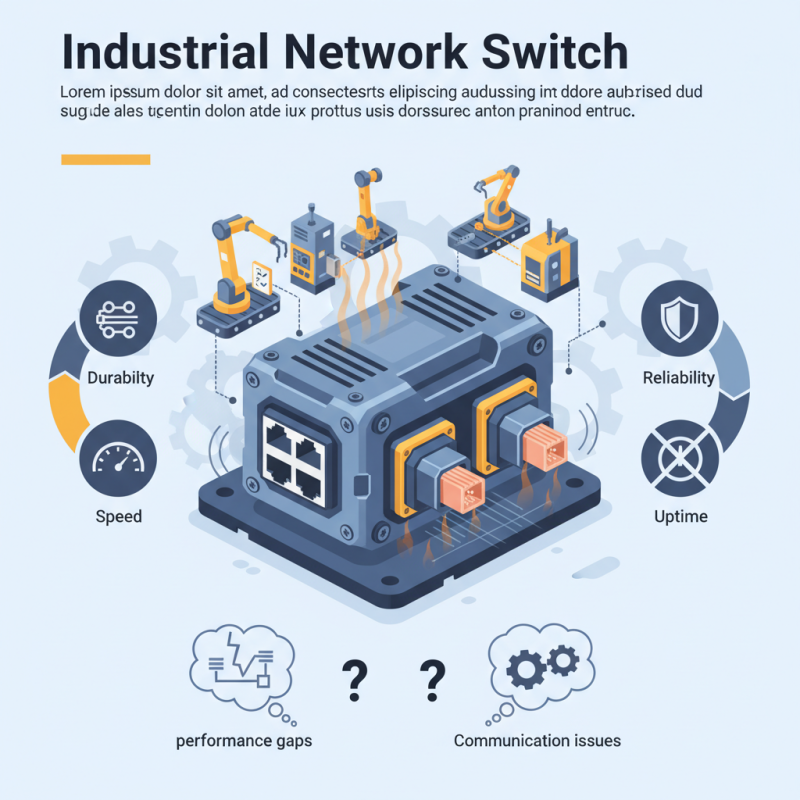
Pay attention to the switch's durability and reliability. A reliable switch can prevent costly downtime and data loss. Reflecting on your current setup might reveal overlooked issues. Are there performance gaps? Are your devices communicating effectively? Address these questions as you search for the ideal industrial network switch.
Identifying Your Industrial Networking Requirements
Identifying your industrial networking requirements is crucial to choosing the right network switch. Every facility has unique needs. Understanding these needs will save time and resources later.
Start by analyzing your data traffic. Are you handling sensitive information? Consider how much bandwidth you need. High traffic areas may require faster switches. Similarly, inspect your device count. If you have many devices, opt for a switch with multiple ports.
Tips: Always think about scalability. Can the switch grow with your operations? Choose options that allow for easy upgrades. This foresight can prevent future headaches.
Environmental factors matter too. Is your facility prone to dust or moisture? Finding rugged switches can ensure longevity. Remember, not all switches are built equally. Test products in your environment if possible. Doing so might reveal unexpected issues or benefits.

Understanding Different Types of Industrial Network Switches
Choosing the right industrial network switch can be daunting. Understanding the different types helps in making informed decisions. There are unmanaged, managed, and layer 3 switches. Each type serves unique purposes.
Unmanaged switches are simple and cost-effective. They require minimal setup and configuration. Ideal for small networks, they operate seamlessly. However, they lack advanced features. You cannot monitor traffic or make adjustments.
Managed switches come with greater control. They allow network administrators to configure settings. Features like VLAN support enhance organization. But, they can be complex and costly. Knowledge is essential for effective use.
Sometimes, decisions need reflection. Is the extra control worth the cost? Each type has advantages and disadvantages. Analyze your specific needs carefully.
Evaluating Performance Specifications and Features
Choosing the right industrial network switch requires careful evaluation of performance specifications. Start by looking at the switch's data transfer rates. A switch with higher throughput supports more devices and heavier traffic. If your operations require real-time data processing, prioritize switches that offer low latency.
Next, consider the number of ports available. Industrial environments often demand more connections, so ensure the switch can accommodate your needs. Also, pay attention to compatibility with existing equipment. Many facilities use a mix of technologies. Ensuring seamless integration can save time and resources.
Power redundancy is another critical feature. If a switch fails, it can disrupt operations. Look for models with dual power supplies. This feature adds reliability but may come with a higher price tag. Balancing cost and functionality is essential. Evaluate your needs closely. A switch that appears perfect might not be the best choice for your situation. Make adjustments as required.
Considering Environmental Factors and Installation Options
When selecting an industrial network switch, environmental factors play a crucial role. An estimated 70% of failures in network equipment can be attributed to unsuitable environmental conditions. This includes factors like temperature, humidity, and dust. For instance, many industrial settings experience extreme temperatures. It's essential to choose switches that can operate effectively in those conditions.
Installation options also impact performance. Consider the physical layout of your space. Whether mounted on a DIN rail or wall, placement affects network efficiency. It's vital to ensure that switches are accessible for maintenance yet secure from potential damage. An industry report suggests that improper installation decreases device longevity by up to 40%.
Tips: Always check the IP rating of the switch. A higher rating indicates better protection against dust and moisture. Evaluate the airflow in your installation area. Poor ventilation can lead to overheating. Lastly, remember that redundancy in network design helps prevent downtime. A fallback system is beneficial in harsh environments.
Assessing Cost and Support Services for Long-Term Use
When assessing the cost of an industrial network switch, consider both the initial purchase price and the total cost of ownership. The upfront cost can be appealing. However, ongoing expenses can add up quickly. Think about installation costs, maintenance fees, and potential upgrades. Select a switch that provides a balance between price and features. This choice can impact your budget significantly and affect your long-term operations.
Support services are equally crucial for long-term use. In a complex industrial environment, you need reliable support. Evaluate the types of support offered: Is it 24/7? Are there on-site technicians available? Good support can save time and money when something goes wrong. Without proper support, a minor issue can escalate. A breakdown can lead to expensive downtime. Reflecting on these factors will help ensure you choose a switch that meets your operational needs. This is not just about the initial cost; it's about sustaining your network effectively over time.
(780) 669-9420