 (780) 669-9420

China Top Chicken Layer Cage Manufacturer and Supplier
China’s egg sector operates at a scale that makes reliable housing equipment a practical concern. The National Bureau of Statistics of China reported 35.63 million tonnes of poultry eggs in 2023, up 3.1% from 2022. That figure signals sustained production, but it does not guarantee profit for every farm. Equipment choices still affect daily labor, bird access, hygiene routines, and maintenance costs.
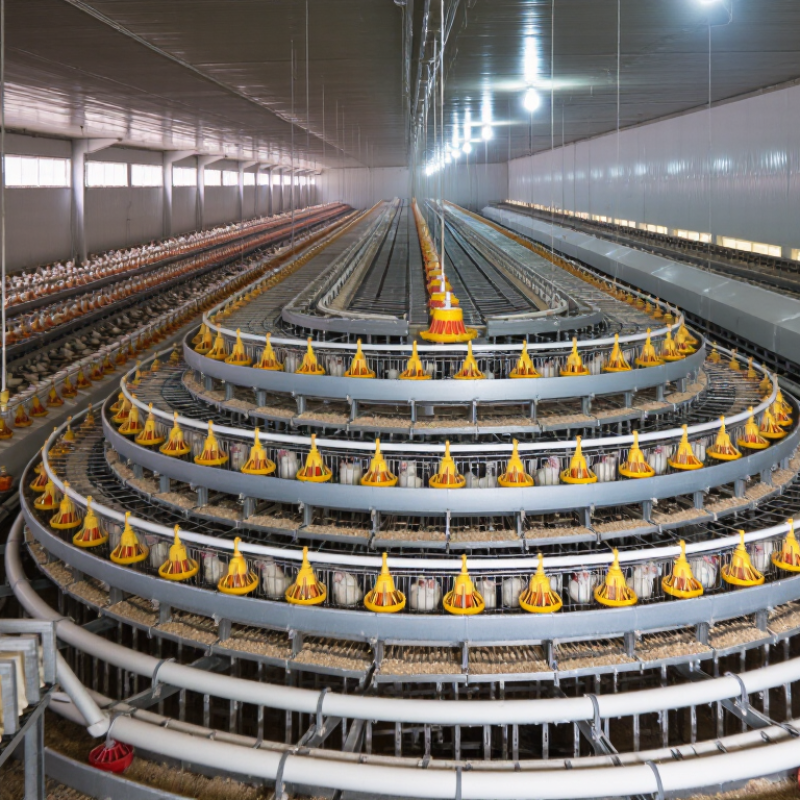
A Chicken Layer Cage system should be assessed through measurable details: wire thickness and finish, cage dimensions, feeder access, drinker placement, manure-belt performance, and compatibility with ventilation and egg collection. Small failures matter. A blocked nipple or loose belt can disrupt routine work. Buyers comparing a China Top Chicken Layer Cage Manufacturer and Supplier should request drawings, material specifications, installation guidance, spare-parts availability, and references from farms using similar layouts. Photos help, but operating records are better.
Animal-welfare scientist Donald Broom offers a useful lens for evaluating housing: “The welfare of an individual is its state as regards its attempts to cope with its environment.” This definition comes from his work on animal welfare and should not be mistaken for a cage specification. It does remind producers to consider bird behavior alongside output and labor efficiency. No design solves every farm’s constraints. Climate, management skill, and production requirements can change what works. A careful supplier should explain those limits, not just promise capacity. The sections ahead examine manufacturing quality, system options, and questions buyers should ask before ordering.
Understanding Chicken Layer Cage Systems
Understanding Chicken Layer Cage Systems
A layer cage system is more than a row of enclosures. It combines housing, feeders, drinkers, ventilation, manure handling, and egg collection. Conventional and enriched designs differ in their available features and space. FAOSTAT records roughly 91 million tonnes of hen eggs produced worldwide in 2022, showing the scale of production these systems support. That figure describes output, not cage performance. Small design details matter: a poorly adjusted drinker can leave birds competing at the line.
EFSA’s 2023 scientific opinion on laying-hen welfare identifies restricted movement and limited opportunities for natural behavior as important concerns in cage housing. For farm planning, compare usable floor area, access to feed and water, air quality, and ease of inspection. A tidy layout is not proof of good welfare. Daily checks reveal more.
Tip: Walk the system at bird level. Check for wet litter beneath drinkers, uneven feed distribution, blocked egg belts, and hens that cannot reach resources easily. Keep maintenance and mortality records, then review patterns rather than isolated incidents. Even experienced teams miss things.
China Top Chicken Layer Cage Manufacturer and Supplier - Understanding Chicken Layer Cage Systems
| System or Component | Typical Configuration or Measurement | Purpose | Key Planning Consideration |
|---|---|---|---|
| Conventional battery cage | Small groups of hens housed in adjacent wire enclosures; stocking allowances and permitted use vary by jurisdiction. | Provides a compact housing layout with integrated feeding and watering. | Check local animal-welfare requirements. Conventional cages are prohibited in some jurisdictions. |
| Enriched colony cage | Group housing with features such as perches, nests, and scratching areas. Under EU rules, the minimum space is 750 cm² per hen, including at least 600 cm² of usable area. | Adds behavioral features while retaining a caged housing format. | Confirm applicable standards, usable-area definitions, group size, and required fittings before specifying equipment. |
| Non-cage aviary system | Multi-level indoor housing with floor space, perches, nests, and litter areas. | Allows hens to move between levels and use different areas of the house. | Plan for bird movement, litter management, access to resources, and manure handling. |
| Cage tier arrangement | Single-tier or multi-tier layouts; the number of tiers depends on building height, equipment design, and access requirements. | Uses the available building footprint to organize housing rows. | Allow sufficient clearance for inspection, maintenance, ventilation, and manure removal. |
| Feeding system | Commonly a feed trough supplied by a chain or other distribution mechanism. | Delivers feed along the housing row. | Match trough access and feed delivery capacity to flock size and the selected housing design. |
| Drinking system | Nipple drinkers, often fitted with drip cups, are commonly used in modern poultry housing. | Provides controlled access to drinking water. | Check water pressure, drinker placement, flow rate, and routine maintenance needs. |
| Egg collection | Egg belts can transfer eggs from nest or cage areas to a collection point. | Reduces manual handling and supports organized egg movement. | Consider belt alignment, transfer points, cleaning access, and the planned collection capacity. |
| Manure removal | Manure belts or other removal arrangements may be installed beneath or behind housing rows. | Moves manure out of the housing area for handling or storage. | Choose a removal schedule and storage plan suitable for the flock, building, and local rules. |
| Ventilation and climate control | Typically combines air inlets, fans, and environmental controls designed for the poultry house. | Helps manage temperature, humidity, and air quality. | System capacity must be designed for house dimensions, climate, bird numbers, and operating conditions. |
| Installation and capacity planning | Based on house dimensions, usable floor area, system layout, and the applicable stocking standard. | Ensures that equipment and building services work together as a complete system. | Have the final layout reviewed against local regulations and the equipment specifications before installation. |
Note: Figures and configurations are general planning information, not a universal specification. Housing requirements and permitted systems differ by country and may change; verify current local regulations and project-specific design requirements.