
Blog
- Home
- Blog
What is Cast Nylon Pipe and Its Benefits for Buyers?
Cast Nylon Pipe is an innovative solution for various industrial applications. This material offers impressive durability and resistance to wear. Engineers often select it due to its lightweight nature, which simplifies installation processes.
Many buyers appreciate the flexibility that Cast Nylon Pipe provides. Its ability to withstand extreme temperatures makes it reliable in challenging environments. However, not all manufacturers meet high-quality standards. Selecting trustworthy suppliers is crucial for ensuring product reliability.
Furthermore, potential users should weigh the benefits against costs. While Cast Nylon Pipe can be more expensive than traditional options, its longevity may lead to significant savings over time. Thoughtful comparisons and carefully assessing needs will yield better decision-making.
What is Cast Nylon Pipe?
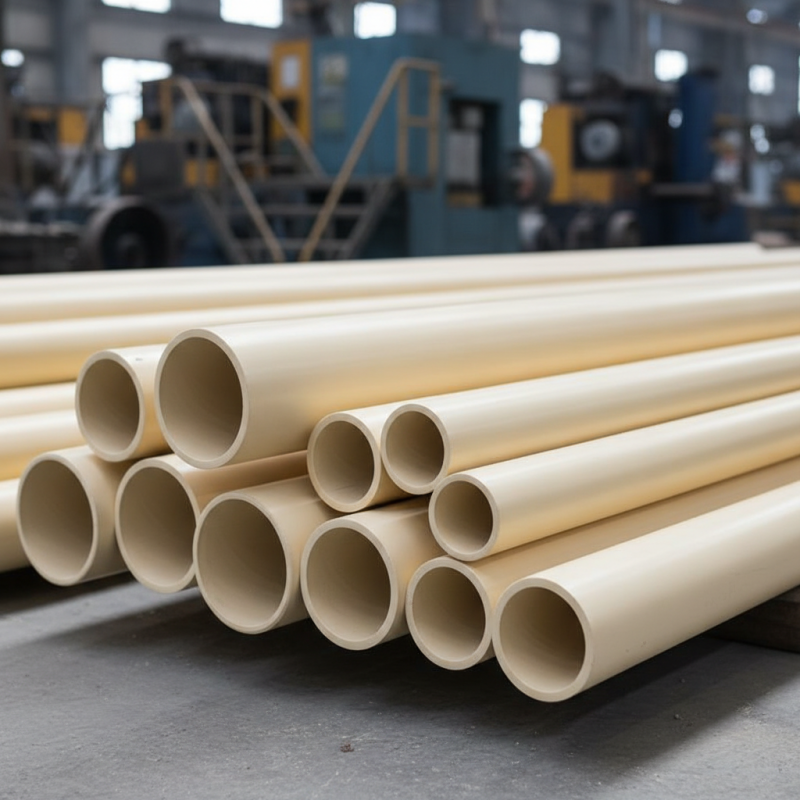
Cast nylon pipe is a versatile material widely used in various industries. It is made from nylon resin, providing excellent strength and durability. This type of pipe stands out due to its resistance to wear and tear. Its smooth surface reduces friction, which allows for efficient fluid flow.
Besides strength, cast nylon pipe is lightweight compared to traditional materials. This feature facilitates easier installation and reduces transportation costs. It can withstand extreme temperatures and harsh chemicals, making it suitable for diverse applications. However, its performance may vary based on storage and environmental conditions.
While cast nylon pipe has numerous benefits, buyers should consider its limitations. Improper handling may cause deformation. Additionally, factors such as UV exposure can impact its longevity. Understanding these aspects ensures better decision-making for buyers. Investing in quality cast nylon pipe can lead to long-term benefits, but due diligence is essential.

Properties of Cast Nylon Pipe
Cast nylon pipe is gaining traction in various industries due to its advantageous properties. This material boasts high strength, outstanding wear resistance, and low friction coefficients. According to industry reports, cast nylon's tensile strength can reach up to 70 MPa, making it suitable for demanding applications. Its ability to endure harsh environments further increases its appeal for engineers seeking reliable piping solutions.
One notable property of cast nylon pipe is its excellent chemical resistance. It can withstand exposure to a range of substances, including oils and various acids. This durability is crucial for environments where conventional materials might fail. Research indicates a decreasing failure rate of cast nylon systems compared to traditional metal alternatives in a variety of settings.
Another benefit is the material's lightweight nature, which simplifies handling and installation. This can lead to reduced labor costs throughout the project. However, despite these advantages, some users report that cast nylon can be more expensive initially. This raises questions about its long-term cost-effectiveness. Balancing initial investment against durability and reduced downtime is vital for making informed decisions.
Benefits of Cast Nylon Pipe
Advantages of Using Cast Nylon Pipe
Cast nylon pipe is gaining popularity for its unique properties. This type of pipe is made from nylon resin, resulting in a strong, lightweight, and flexible material. It stands out for its resistance to wear, chemicals, and moisture, making it ideal for various industrial applications. Buyers benefit from reduced maintenance costs due to its longevity.
One notable advantage of cast nylon pipe is its ability to withstand heavy loads. This characteristic makes it suitable for high-stress environments. Additionally, the pipes can be manufactured in various sizes and thicknesses, meeting specific project needs. Although it is more expensive than some alternatives, the long-term savings in maintenance and replacement are significant.
Tip: Always evaluate your specific requirements before choosing materials. Consider factors such as temperature fluctuations and chemical exposure. This ensures optimal performance and durability.
Another advantage lies in the ease of installation. Cast nylon pipes can be cut and manipulated to fit various configurations. However, buyers should be aware of potential installation errors. Proper training and experience are crucial to avoid issues down the line. Proper care can maximize the benefits of this innovative material.
Applications of Cast Nylon Pipe in Various Industries
Cast nylon pipe is gaining traction in various industries due to its unique properties. This material is known for its exceptional durability and resistance to wear and chemicals. Industries such as automotive, construction, and food processing have embraced cast nylon pipes for their reliability. They are suitable for conveying abrasive materials and can withstand high pressure, making them ideal for demanding applications.
A critical area of application is in the automotive industry. Cast nylon pipes are used in fuel systems and in the manufacturing of different components. Their lightweight nature helps improve fuel efficiency while maintaining strength. In construction, these pipes are utilized for drainage systems, offering longer service life compared to traditional materials. The food processing industry benefits from cast nylon's non-toxic composition, ensuring safe contact with food products.
Tip: Regular inspections can prolong the life of cast nylon pipes. Monitor for any signs of wear. Proper installation is crucial too. Ensure the fittings are compatible to avoid leaks.
An area for improvement is the flexibility of cast nylon pipes. While they are strong, they can be rigid, limiting their versatility in some applications. Exploring hybrid materials might enhance their adaptability. Be mindful of the installation environment and choose the right type of cast nylon pipe accordingly.
Considerations for Buyers of Cast Nylon Pipe
When considering the purchase of cast nylon pipe, buyers should focus on several key factors. Cast nylon is known for its superior strength and durability. It offers excellent wear resistance, making it an ideal choice for demanding industrial applications. According to a study by the Plastics Industry Association, cast nylon demonstrates up to 15 times more wear resistance than traditional materials like steel. This property can lead to reduced maintenance costs and increased operational efficiency.
Buyers also need to evaluate the environmental conditions where the pipe will be used. Cast nylon can withstand a wide temperature range, from -40°F to 200°F, which adds to its versatility. However, ultraviolet (UV) exposure can degrade its properties over time. It's crucial to ensure the right protective measures are in place, as neglecting this factor can lead to premature failure.
Furthermore, compatibility with various chemicals and lubricants is critical. While cast nylon is generally resistant to many substances, some chemicals can cause swelling or deterioration. A report from the American Society for Testing and Materials (ASTM) highlights that failure to select the right materials for specific fluids can result in significant financial losses. Thus, conducting thorough compatibility testing is essential for long-term performance.
What is Cast Nylon Pipe and Its Benefits for Buyers? - Considerations for Buyers of Cast Nylon Pipe
| Feature | Description | Benefits |
|---|---|---|
| Material Durability | Cast Nylon is known for its high wear resistance and strength. | Longer lifespan and reduced need for replacements. |
| Chemical Resistance | Resistant to a variety of chemicals and solvents. | Enhanced performance in challenging environments. |
| Lightweight | Cast Nylon is significantly lighter than metal alternatives. | Easier handling and installation, reducing labor costs. |
| Low Friction | Offers excellent low friction properties. | Improved efficiency and reduced energy costs. |
| Thermal Stability | Stable performance over a wide temperature range. | Consistent operation in varying environmental conditions. |
| Customization | Available in various sizes and configurations. | Tailored solutions to meet specific project needs. |
(780) 669-9420